Eco-Friendly Candy Packaging Innovations Explained
Packaging reinvents treats so you and your sweet tooth can celebrate without guilt: your choices steer brands toward compostable wrappers, curb the plastic wast

This article contains Amazon affiliate links. As an Amazon Associate, CandiesAndSweets earns from qualifying purchases.
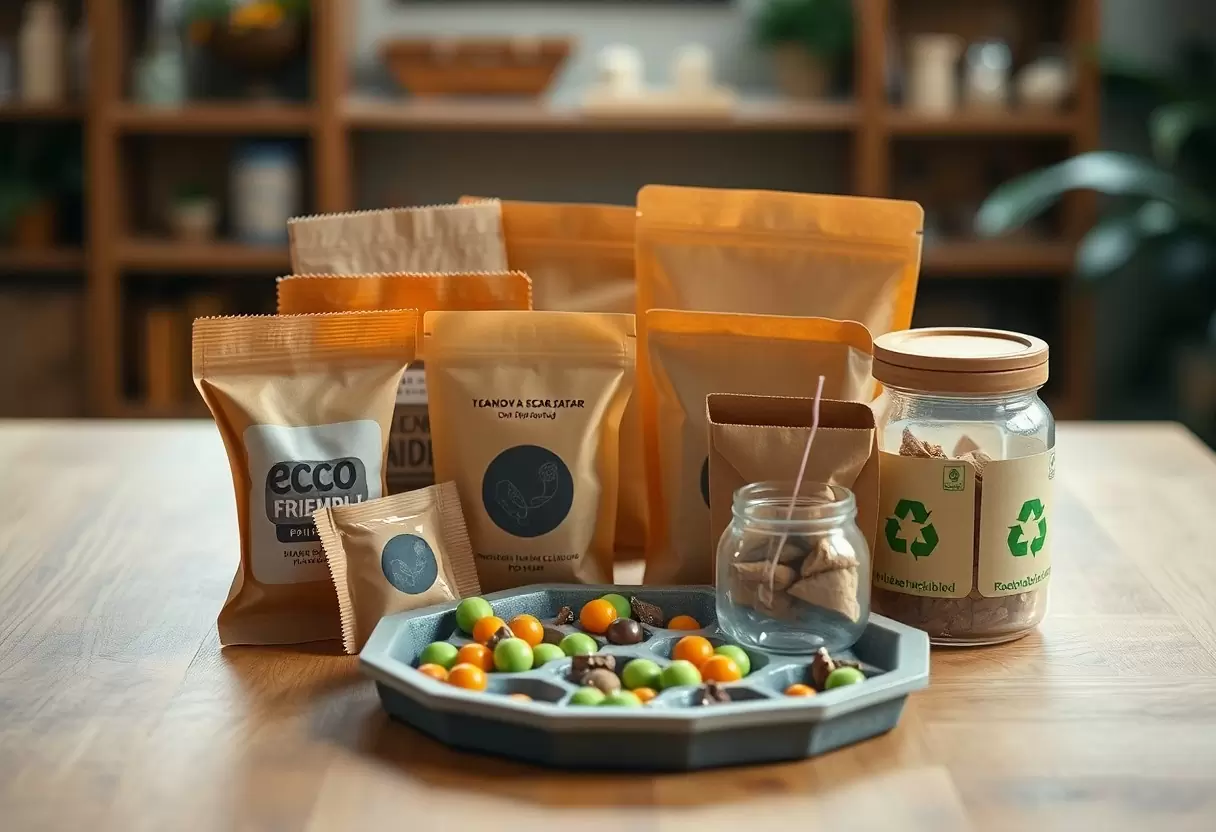
Part of our Sustainable & Eco-Friendly Chocolate & Candy guide.
Packaging reinvents treats so you and your sweet tooth can celebrate without guilt: your choices steer brands toward compostable wrappers, curb the plastic waste that chokes oceans, and make unwrapping fun again.
The Sticky Truth About Plastic
Plastic clings to your candy memories and outlives them: single-use films can take centuries to decompose, shedding microplastics that seep into soil and oceans. You keep unwrapping joy while ecosystems collect a sticky bill you won’t enjoy paying.
Wrappers That Outlive Their Eaters
Brands are rolling out compostable films and edible coatings so you can finish your treat without gifting the planet another persistent wrapper; some innovations even dissolve in hot water. You get the same snap and shine while trash bins get less of a guilty conscience thanks to compostable and edible options.
Why Landfills Have a Toothache
Millions of tiny wrappers layer up in landfills and give them a metaphorical toothache: compacted plastics break down slowly, releasing long-term pollution and choking space where soil and life might thrive. You may not see the damage, but it keeps grinning back at your waste-management bill.
Because anaerobic landfill conditions stall biodegradation, plastics fragment into microplastics and toxic residues that leach into groundwater and harm microbes, plants, and animals – a bitter aftertaste that reaches communities you live in. You can cut that risk by choosing truly compostable designs or reducing single-use wrappers.
Plant-Based Bio-Magic
Plants now show up as slick wrappers you can actually toss into the compost, so you get compostable packaging that still looks fun; you should watch for moisture sensitivity since some films swell and invite spoilage if you stash candy in humid pockets.
Corn Husks and Candy Dreams
Corn husks give you a nostalgic, biodegradable touch that fans adore, yet you must handle them gently because their natural fibers can tear and expose candies, a fragility that affects shelf life and display.
Sugar Cane’s Second Act
Sugar cane bagasse becomes molded trays and wrappers that feel sturdy and renewable, but you should factor in the processing emissions from industrial conversion when weighing eco wins versus hidden costs.
Bagasse packaging often needs commercial composting to break down properly, so you should check local facilities; when routed correctly it reduces landfill impact and gives sugar cane a genuinely useful second life.
Edible Wrappers: Snack on the Sack
Think edible wrappers are a novelty; you’ve already tried rice-paper skins and seaweed films that let you eat the package along with the candy. You enjoy a substantial reduction in plastic waste and playful flavor pairings, but watch for allergen risks and shorter shelf life than sealed plastic.
Zero Waste, All Taste
You can get near-zero waste when wraps are fully edible or home-compostable, and flavor engineers add coatings that preserve taste. Brands aim for no plastic and satisfying mouthfeel while rigorous testing limits microbial growth.
Don’t Throw It, Chew It
Chew the wrapper if the brand designed it that way-many are flavored to complement fillings so you don’t miss a bite. You must heed choking and allergy warnings, since thin films can be brittle or sticky depending on conditions.
Also producers work with seaweed, potato-starch, and protein films plus edible inks to keep branding intact and meet shelf-stability rules; you should store these dry because humidity can make wraps soggy, creating food-safety concerns.
Paper’s Great Renaissance
Paper has shed the bland-wrapper stereotype, giving you a chance to cut packaging waste with recyclable and compostable options that still look luxe.
Brands are trimming plastic and betting on fiber blends, nudging you toward cheaper recycling and bolder shelf looks. You must guard against contamination, since wet sugar or foil bits can render a whole run useless.
Pulp Non-Fiction
Pulp processes now use less water and fewer chemicals, letting you choose packaging with a noticeably lower carbon footprint that suits ethical buyers.
Fiber options like post-consumer waste and agricultural residues offer you durable wraps, yet you should verify certifications to avoid elegant-sounding greenwash.
Origami for a Greener Planet
Origami techniques reduce adhesives and layers, so you benefit from less waste and satisfy curious customers with neat unboxing theatrics.
Creative folds can protect candies with no plastic, saving resources while asking you to accept tighter manufacturing tolerances and smarter dielines.
Engineers combine algorithmic folds with precision scoring so you can pack flat, assemble fast, and keep safety intact-edges and seals get tested to avoid sticky surprises.
Compostable Coolness
You might love the idea of candy wrappers that disappear, but many compostables need industrial facilities, so your kitchen bin isn’t always the finish line for planet-friendly packaging.
Your best bet is to read labels and hunt for home compostable certifications, because tossing the wrong wrapper can contaminate a whole compost batch and ruin the eco points.
From Trash to Tomato Fertilizer
Want your wrappers to feed tomatoes? Look for stamps like OK Compost HOME or local authority acceptance, since municipal systems handle different materials and temperatures than your backyard heap.
Think about scouting local compost rules before you toss anything curbside, because sending the wrong film to a facility can create contamination headaches for operators and neighbors.
The Backyard Burial Guide
Digging a small grave for true home-compostable wrappers works nicely if you shred them first and bury at about 6-12 inches so microbes can get to work on that fast breakdown.
Keep pets and curious kids away from burial spots and avoid anything with metalized film or heavy inks, since those are non-compostable contaminants that will wreck your pile.
Also plan for patience: genuine home compostables can take weeks to months depending on heat and moisture, so you’ll want to monitor the spot and remove any persistent bits that refuse to disappear.
The Cost of Caring
Tackling higher sticker prices, you accept that switching to compostable films or recycled papers often means a small premium per candy; brands report price increases of 10-30% on some SKUs, which can sting rather than sell themselves.
Comparing suppliers and redesigning pack formats helps you blunt that sting: bulk buys, slimmer fills, and ink choices shave cents while certification and end-of-life processing remain predictable budget items.
Paying a Penny for the Planet
You may only add a penny or two per treat, and that micro-premium often funds better materials, fair labor, and improved disposal systems that deliver a real reduction in plastic waste.
Small price bumps can squeeze margins, so you should pilot premium lines or limited runs to test willingness to pay without harming your bestselling basics; watch for margin pressure on high-volume SKUs.
Marketing the Moral High Ground
Branding gives you the chance to turn sustainable cost into perceived value: you can tell an honest story that convinces shoppers the extra cent buys integrity, not just packaging, and include clear disposal instructions to keep trust intact.
Watch for greenwashing traps – vague claims or unsupported labels will erode your customers’ trust and can become a public-relations hazard that costs you far more than the packaging savings ever did.
Expect savvy buyers to verify claims, so you should provide third-party certifications, lifecycle numbers, and a simple QR code that proves the actual environmental benefit behind your messaging.
To wrap up
Summing up, you can snack guilt-free as eco-friendly candy packaging swaps plastics for compostable films, edible wrappers, and refillable tins that cut landfill drama. You enjoy clear labeling, recycled paper, and clever shapes that protect sweets without dressing sustainability as a flavor trend.