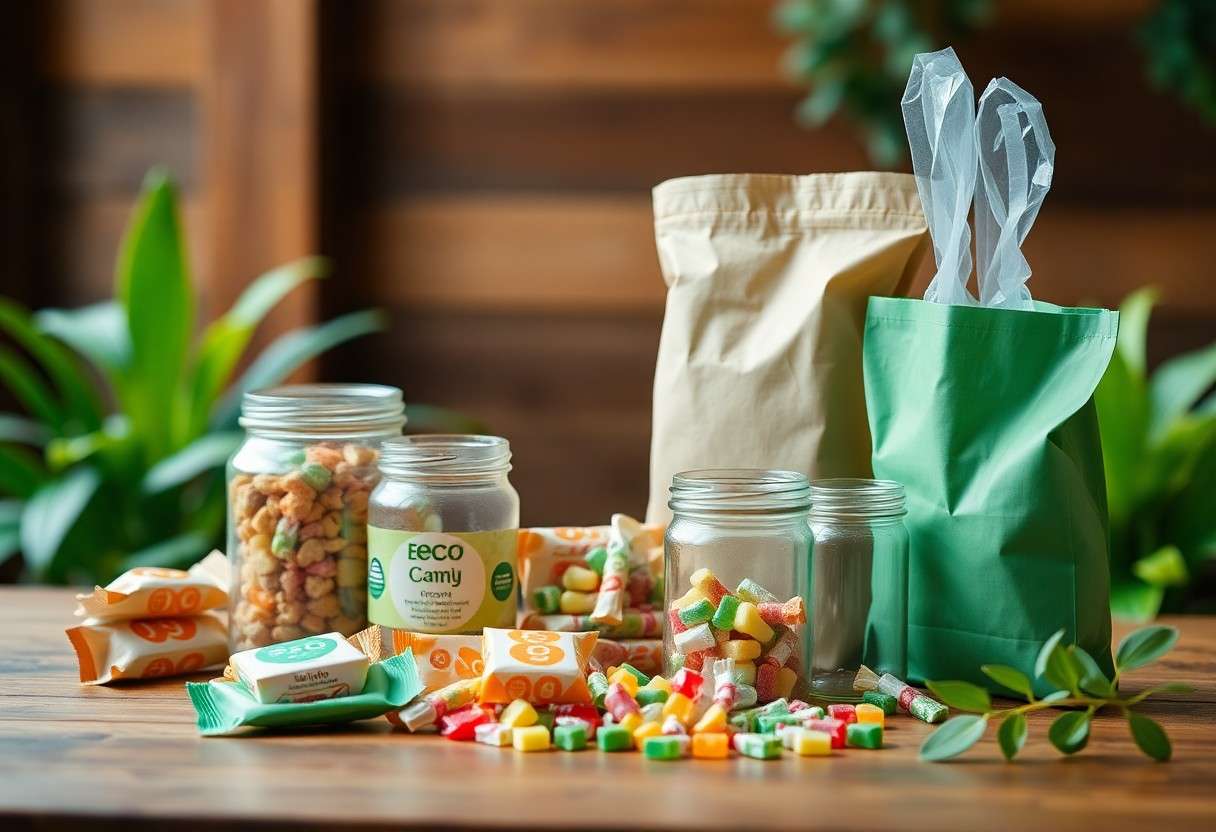
Why Recyclable Candy Packaging Attracts Eco-Conscious Buyers
Over the past few years, consumers like you have increasingly prioritized sustainability in their purchasing decisions, leading to a rise in demand for recyclab

This article contains Amazon affiliate links. As an Amazon Associate, CandiesAndSweets earns from qualifying purchases.
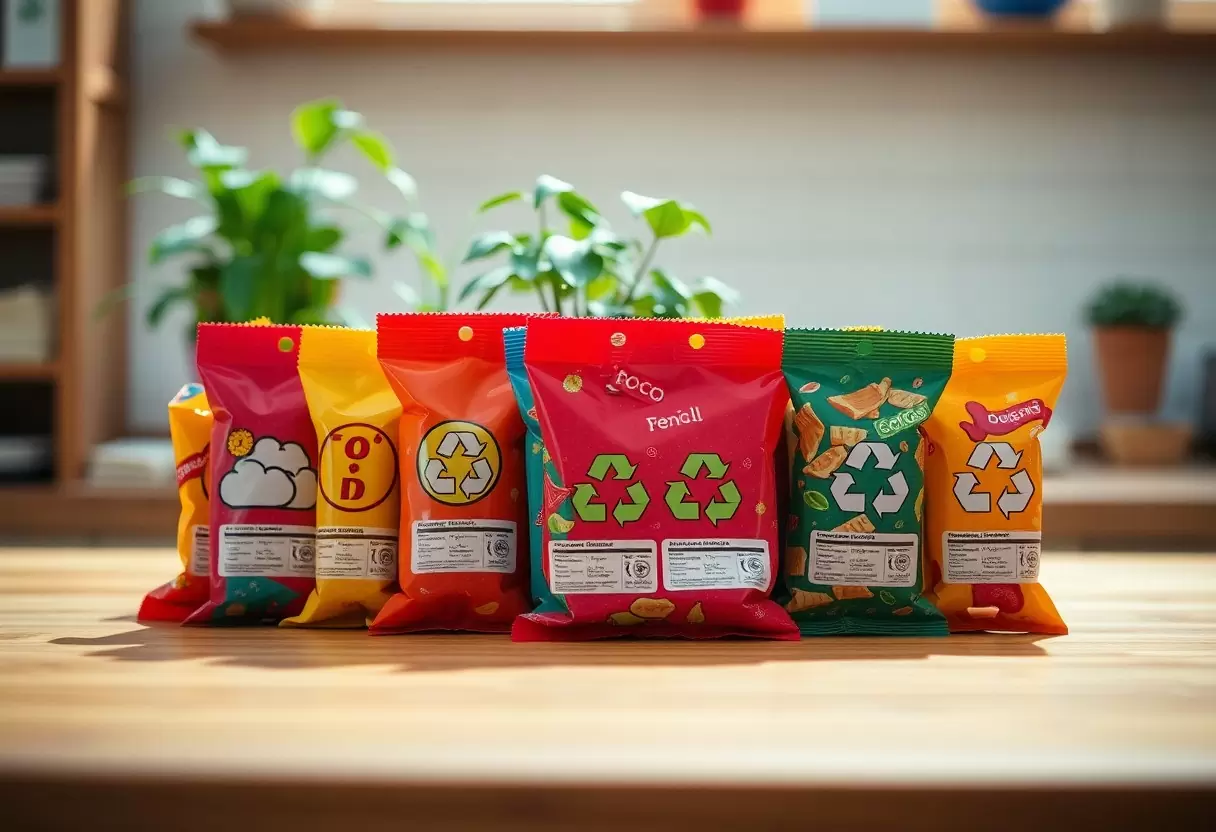
Over the past few years, consumers like you have increasingly prioritized sustainability in their purchasing decisions, leading to a rise in demand for recyclable candy packaging. This shift toward eco-conscious choices not only reflects your values but also influences brand loyalty and perception. By choosing candies in recyclable materials, you contribute to reducing waste and promoting environmentally friendly practices, while also supporting brands that align with your commitment to sustainability. Understanding the impact of your choices empowers you to make informed decisions that benefit both the planet and your favorite treats.
The Importance of Sustainable Packaging
Environmental Impact of Packaging Waste
Your choice of packaging can significantly influence the health of the planet. In the United States, it is estimated that packaging waste accounts for almost 30% of the total municipal solid waste. This figure translates to millions of tons of plastics, paper, and other materials that end up in landfills each year. Inadequate recycling systems often exacerbate this issue, leading to environmental pollutants that infiltrate ecosystems, waterways, and, eventually, our food sources. When you opt for products with recyclable packaging, you’re actively participating in a solution that reduces landfill contributions and minimizes environmental degradation.
Benefits of Recyclable Materials
Consumer Trends Among Eco-Conscious Buyers
Growing Demand for Sustainable Products
Your purchasing habits reflect a significant shift towards sustainable products, driven by a desire to minimize environmental impact. Recent studies indicate that around 66% of global consumers are willing to pay more for sustainable brands. This trend is particularly pronounced among millennials and Gen Z, with over 73% expressing a preference for products that are environmentally friendly. As you assess your options, recyclable candy packaging stands out as a tangible way for brands to demonstrate their commitment to sustainability while catering to your eco-friendly values.
Moreover, the rise in demand for sustainable products is not limited to just the food sector. You can find an array of industries, from fashion to personal care, embracing eco-conscious practices. According to a report by Nielsen, 81% of consumers feel strongly that companies should help improve the environment. This influx of environmentally aware consumers pushes brands to innovate, propelling recyclable materials and sustainable practices to the forefront of product development. When you choose candy wrapped in recyclable packaging, you contribute directly to this movement.
As you navigate the aisles, the visibility of eco-friendly packaging influences your choices. Brands that commit to sustainability through their packaging can capture your attention more effectively. Consider how candy companies that showcase their use of eco-friendly materials not only appeal to your values but also set themselves apart in a crowded market. By prioritizing sustainability, these brands create an emotional connection, fostering loyalty as you feel good about your choices.
Influence of Ethical Branding on Purchasing Decisions
Your decision-making process is increasingly shaped by the values and identity of the brands you choose to support. Ethical branding has turned into a pivotal factor, influencing your purchasing choices significantly. A study revealed that 75% of consumers are more likely to support a brand that demonstrates its commitment to social and environmental issues. When faced with multiple options, you’re likely to gravitate toward brands that openly share their sustainability efforts, especially in the confectionery market where you might find recyclable packaging that aligns with your values.
Brands that effectively communicate their ethical standards—such as fair trade sourcing and environmental responsibility—resonate more with you. For instance, companies that highlight their use of recyclable materials not only showcase their dedication to sustainability but also foster transparency in their production processes. This transparency provides you with a sense of empowerment, knowing your choices contribute to responsible manufacturing practices and positive environmental impacts.
Additionally, the essence of ethical branding extends beyond the product itself. When a candy brand actively engages in community initiatives or reduces their carbon footprint, they garner your respect and loyalty. Research shows that consumers are increasingly interested in the story behind the product they consume, and brands that effectively share their narrative create a deeper bond with you. By opting for recyclable packaging, these brands solidify their stance in your mind as responsible stewards of the environment, influencing your buying behavior significantly.
As you explore further, it becomes clear that ethical branding influences not just your immediate choices, but also reshapes industry standards. Brands that prioritize sustainability and transparency are setting new benchmarks for competitors, creating a ripple effect that encourages the adoption of eco-conscious practices across the confectionery landscape. Your conscious purchasing reinforces this cycle, driving the market towards a more sustainable future. You might also enjoy our guide on Eco-Friendly Gift Baskets for May.
Case Studies: Brands Leading the Way
- Alter Eco: This brand transitioned to 100% recyclable and compostable packaging, resulting in a 30% increase in sales within the first year, appealing directly to eco-sensitive consumers.
- Green & Black’s: The organic chocolate brand adopted recyclable wrappers in 2019, with over 40% of customers reporting they were more likely to buy products in sustainable packaging.
- Cadbury: Committed to 100% recyclable packaging by 2025, having reduced plastic use by 15% in its packaging since 2018, aligning with consumer preferences for sustainability.
- Snickers: Introduced recyclable wrappers last year, and garnered positive media attention, leading to a 20% increase in market visibility and sales among environmentally-conscious shoppers.
- M&M’s: Launched a campaign featuring recyclable packaging in select markets, witnessing a 25% increase in customer engagement on social media platforms.
Successful Implementation of Recyclable Packaging
Your brand can draw inspiration from companies like Alter Eco, which not only revamped its packaging but also engaged consumers with a clear narrative about sustainability. The process involved careful consideration of materials—switching to plant-based compostable films that maintain product freshness while minimizing environmental impact. This strategic decision paid off, as market analysis showed that 70% of consumers felt more positively about brands using eco-friendly packaging, which translated to increased customer retention rates.
Green & Black’s offers another compelling example, having implemented recyclable cardboard and wrapping materials in all its product lines. Their innovative approach utilized higher percentages of recycled content, demonstrating not just a commitment to sustainability but also appealing to consumers’ desire for transparency. Analytics indicated that after this implementation, overall brand loyalty increased by 15% among existing customers while attracting new customers who prioritize environmental concerns.
Further, Cadbury’s initiative to reduce plastic usage significantly illustrates the impact that collective efforts can have. By partnering with suppliers who share its sustainability vision, it has optimized packaging lines to include more recyclable options without compromising aesthetic and functional appeal. Reports indicate that this strategy led to a substantial 40% increase in positive brand sentiment, revealing that consumers are willing to vote with their wallets in favor of brands that prioritize eco-friendliness.
Customer Reception and Brand Loyalty
Your potential customers are increasingly drawn to brands that reflect their values, especially regarding environmental concerns. After implementing recyclable packaging, brands witnessed a notable uptick in customer loyalty and satisfaction. Alter Eco, for instance, found that customers were 50% more likely to repurchase due to their commitment to sustainable practices. The feedback indicated an emotional connection, as consumers expressed alignment with the brand’s vision of a healthier planet.
The feedback loop for brands like Green & Black’s reveals that proactive sustainability efforts can significantly affect how customers perceive and interact with the brand. Consumers report feeling empowered when their purchasing decisions support environmentally responsible companies. Data collected through surveys showed that 65% of customers were willing to pay a premium for products packaged in sustainable materials, reinforcing their loyalty toward brands that prioritize these principles.
Brands that embrace recyclable packaging are not just selling products; they are fostering a community around environmental awareness. As customers resonate with a brand’s sustainability message, they become advocates, further enhancing brand visibility and loyalty. This relationship deepens further when brands actively engage customers in conversations about their sustainability efforts, showcasing transparency, which is paramount in today’s eco-conscious market.
Challenges in Recycling Candy Packaging
Material Limitations and Contamination Issues
Regarding recycling candy packaging, the materials used present significant challenges. Many candy wrappers are made from a combination of plastics and aluminum, which complicates the recycling process. For instance, the use of multi-layered materials, like foil and plastic blends, often results in products that are not easily separable and may not be accepted by standard recycling facilities. This incompatibility with existing recycling infrastructure means that even if consumers are committed to recycling, they may inadvertently contribute to a larger waste issue. Additionally, the presence of food residues left on wrappers can contaminate entire batches of recyclable materials, leading to rejection at recycling plants.
Moreover, you might not realize that the varying thicknesses and types of films used in candy packaging can further complicate recycling efforts. Brands often prioritize visual appeal and shelf life over recyclability. For example, shiny wraps that enhance product attractiveness can deter recyclers because they mask the plastic layer beneath, causing uncertainty in sorting processes. Consequently, these materials often end up in landfills rather than being efficiently processed for reuse, undermining eco-conscious consumers’ efforts to reduce waste.
Another layer of complexity arises from local recycling regulations and capabilities, which can vary widely between municipalities. While some areas have advanced systems that can handle a wider range of materials, others might not accept certain types of candy wrappers at all. This discrepancy means that, despite your best intentions to recycle, you may face barriers based on where you live. Your understanding of these limitations can help guide your purchasing decisions toward brands that prioritize recyclability and promote more sustainable packaging solutions.
Adaptation by Manufacturers
In response to the challenges of recycling candy packaging, many manufacturers are beginning to adapt their approaches. A growing number of companies are investing in research and development to create more easily recyclable materials. For instance, brands like Mars and Nestlé have committed to making their packaging 100% recyclable, reusable, or compostable by 2025. This forward-thinking paradigm shift highlights that manufacturers are increasingly aware of the importance of appealing to eco-conscious consumers like you, who value sustainability in their purchasing decisions. You might also enjoy our guide on How Refillable Candy Containers Cut Packaging Waste at Home.
Your interest in purchasing products with sustainable packaging has driven several companies to reformulate their packaging strategies. Some are experimenting with biodegradable options and aiming for Minimalist packaging designs that reduce material usage. The incorporation of plant-based plastics and paper alternatives is on the rise, reflecting a broader industry trend towards sustainability. For instance, brands that participate in initiatives such as the Ellen MacArthur Foundation’s New Plastics Economy are linking their goals with global sustainability targets, ensuring that their advancements in packaging meet consumer expectations.
Furthermore, the collaboration between manufacturers and recycling facilities is becoming more common. By actively engaging with recyclers, companies can develop packaging that aligns with existing recycling technologies and processes. This cooperation ensures that your efforts to recycle are not in vain, as products will be designed from the outset to be compatible with current recycling systems. As this trend continues, you can expect a more extensive range of candy options that meet your eco-conscious preferences, ultimately paving the way for a greener future in the candy industry.
Innovations in Recyclable Packaging
Emerging Materials and Technologies
As you explore the landscape of recyclable candy packaging, it becomes evident that emerging materials and technologies are redefining what’s possible. For instance, plant-based plastics are gaining traction, driven by innovations from companies like BioLogiQ, which produces a bioplastic known as NuPlastiQ. This material, made from renewable resources, not only offers the same functionalities as traditional plastics but also biodegrades more effectively. Moreover, industry pioneers are experimenting with fiber-based alternatives, leveraging materials like bagasse and hemp, which are not only recyclable but also compostable. This trend signifies a pivotal shift in how candy packaging is conceptualized—you are witnessing products that not only satisfy your sweet tooth but also align with your eco-conscious values.
Innovative coating technologies are also playing a vital role in enhancing the recyclability of candy packaging. Companies are developing water-based coatings that replace conventional chemical options, making it easier to recycle materials efficiently. For example, companies like Mondi are focusing on sustainable barrier solutions that maintain product freshness while allowing for recycling in standard streams. These coatings enable brands to reduce their environmental impact and align with your desire for sustainable options, ensuring that your purchasing decisions contribute positively to the planet’s health.
As industry players invest in research and collaboration, the development of smart packaging technologies is expected to further enrich the recyclable packaging landscape. You might soon encounter packaging that integrates QR codes or augmented reality features, providing real-time information about the product’s sustainability journey. These innovations not only enhance the consumer experience but also foster deeper connections with eco-conscious consumers like yourself, who prioritize transparency in the brands you support.
Future Trends in the Candy Industry
The future of the candy industry is poised for significant transformation, especially as consumer preferences lean heavily towards sustainability. You can expect an increased emphasis on circular economy principles that prioritize not only recyclable packaging but also the entire life cycle of products. Brands are likely to explore initiatives that promote recycling return schemes, allowing you to send back used packaging for repurposing or proper recycling, thus keeping materials in use longer and minimizing waste.
Moreover, the integration of Artificial Intelligence (AI) in supply chain management can offer more precise tracking of materials, reducing overproduction and waste in candy manufacturing. By harnessing data analytics, companies can tailor their production processes to match demand closely, promoting a sustainable approach that you’ll appreciate as a responsible consumer. This trend is set to result in a reduction of environmental impacts across various stages of production, packaging, and distribution, addressing your growing concern about sustainable practices in the food industry.
Transitioning to carbon-neutral candy production will also be a major focus. You will likely see brands adopting science-based targets to reduce emissions, while some may even commit to carbon offsets. The focus on renewable energy sources to power production facilities will also play a pivotal role, creating a more sustainable narrative around each candy bar you purchase. Together, these advancements point towards a future where your choices as a consumer significantly shape the industry’s environmental footprint.
Marketing Strategies for Eco-Friendly Products
Effective Messaging to Eco-Conscious Consumers
To engage eco-conscious consumers effectively, your messaging needs to resonate with their values. Highlighting the environmental impact of your recyclable candy packaging can create a strong emotional connection. Consider statistics that showcase the reduction in waste or the benefit of sustainable sourcing. For instance, mentioning that “by choosing our recyclable packaging, you help divert 100 tons of plastic from landfills each year” can make your message tangible. You want your audience to feel that their purchase has a direct positive effect on the planet. You might also enjoy our guide on Eco-Friendly Packaging Solutions for the Candy Industry.
Storytelling can also enhance your messaging, making it relatable and memorable. Share the journey of your product from sourcing materials to production, emphasizing the efforts taken to reduce carbon footprints. People connect with stories—narratives about how your company is committed to sustainability showcase authenticity. You might include testimonials from consumers who chose your product specifically for its eco-friendly attributes, enhancing credibility and trust.
Incorporate varied formats to deliver your message effectively. Video content, infographics, and engaging social media posts can showcase both the product and its environmental benefits. Using vibrant visuals of the packaging, alongside the benefits it brings, helps illustrate your commitment to sustainability more dynamically. A well-rounded approach ensures that your message reaches your audience effectively across different platforms, maximizing your impact.
Utilizing Certifications and Labels
Certifications and eco-labels serve as powerful trust signals for your products. By obtaining certifications such as the Forest Stewardship Council (FSC) for paper-based packaging or Cradle to Cradle Certification, you not only validate your eco-friendly claims but also differentiate your brand in a crowded marketplace. When consumers see these labels, it reassures them that your packaging meets recognized standards, increasing their likelihood of making a purchase. For instance, a survey by EcoFocus Worldwide found that 65% of consumers are more likely to buy products with eco-labels, demonstrating their significant influence.
Adding these certifications to your packaging and marketing materials provides immediate recognition of your sustainable practices. Ensure that your efforts are visible by sharing the story behind each certification on your website or social media. Explain what these labels mean and why they are important, allowing consumers to understand the implications of their choices. Transparently communicating how these standards are met strengthens your credibility and fosters loyalty among eco-conscious buyers.
Moreover, you can highlight any local certifications or initiatives that resonate with your target demographic. For example, if you participate in a local recycling program, showcasing this partnership can create a stronger community connection. Pinnacle examples include brands that have effectively used the “Certified B Corporation” logo to signal their commitment to not just environmental sustainability but also social responsibility, thus appealing to a broader ethical consumer base.
To wrap up
So, as you explore the benefits of recyclable candy packaging, you begin to see how it resonates with your values as an eco-conscious buyer. Your desire to reduce plastic waste and minimize your carbon footprint is a driving force behind your purchasing decisions. Choosing candy packaged in recyclable materials allows you to actively participate in the movement towards sustainability while enjoying your favorite treats. This choice not only aligns with your personal beliefs but also supports brands that prioritize the environment, thereby encouraging more companies to adopt eco-friendly practices.
Additionally, recyclable packaging enhances your overall consumption experience. When you reach for a candy bar or a bag of sweets wrapped in materials that can be easily recycled, you are reminded of the larger impact your choices have on the planet. This mindfulness can deepen your appreciation for the product and the brand, reinforcing your loyalty to companies that share your commitment to sustainability. Your enthusiasm for sharing these products with friends and family can also help inspire others to think critically about their own consumption habits, amplifying your impact.
Lastly, by choosing recyclable candy packaging, you actively contribute to a shift in the marketplace. Your demand for eco-friendly options sends a clear message to manufacturers that consumers like you want products that are not only enjoyable but also environmentally responsible. As more buyers prioritize sustainability, you help foster a culture that values ethical considerations in food production and packaging. Ultimately, your choices matter, and by opting for recyclable candy packaging, you play a pivotal role in shaping an eco-friendlier future for generations to come.