Best Zero Waste Candy Brands Leading Sustainability Efforts
It's your choice to pick zero-waste candy that shifts the market: leading brands eliminate single-use wrappers, tackling plastic pollution, while using composta

This article contains Amazon affiliate links. As an Amazon Associate, CandiesAndSweets earns from qualifying purchases.
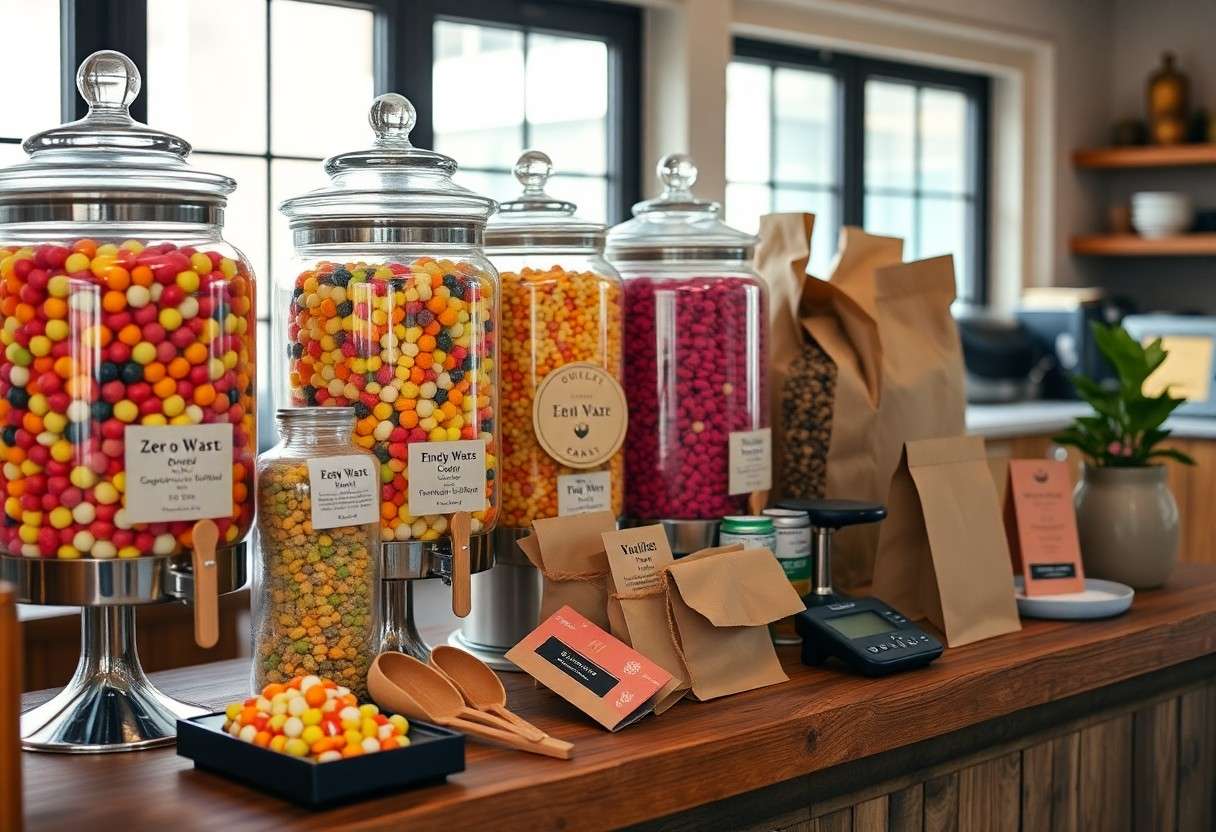
It’s your choice to pick zero-waste candy that shifts the market: leading brands eliminate single-use wrappers, tackling plastic pollution, while using compostable packaging and transparent sourcing to reduce waste and protect health.
The Environmental Impact of Conventional Candy Packaging
Packaging choices for conventional candy often rely on single-use, non-recyclable plastics that you see piling in landfills and waterways.
You face growing contamination as mixed materials and minimal labeling routinely prevent recycling, extending pollution and cleanup costs.
Accumulation of Non-Recyclable Plastic Wrappers
Wrappers made from layered films and metallized foils stop you from recycling and release persistent microplastics that harm marine and terrestrial ecosystems.
Carbon Footprint of Global Confectionery Logistics
Shipping candy ingredients and finished products across continents forces you to contend with high transport emissions, marking supply chains as a major source of greenhouse gases.
Additional pressures like refrigerated transport and air freight for seasonal items amplify the impact, especially when you rely on long-distance air transport for speed.
Core Principles of Zero Waste Candy Production
You should expect manufacturers to minimize packaging, disclose sourcing, and prioritize repairable or returnable containers so you can reduce household waste; single-use plastics are avoided to prevent persistent pollution.
Brands often set measurable waste targets and trace ingredients so you can judge true sustainability performance; greenwashing risks remain high when claims lack verifiable data.
Implementation of Home-Compostable Materials
Packaging that you can toss in a home bin must be certified home-compostable and free from metalized films to avoid contamination; mixed plastics will spoil compost batches.
Compostable labels should include clear home-disposal instructions so you avoid sending materials to landfill by mistake; bioplastic confusion undermines consumer trust and diversion rates.
Focus on Circular Economy and Refillable Systems
Materials selection favors glass, aluminum, and durable plastics so you can participate in refill programs and reduce single-use waste; refill adoption lowers per-unit impact.
Refillable options let you return or refill containers at retail or through mail-back schemes, giving you direct influence over packaging lifecycles; convenience and hygiene standards drive participation.
Circularity requires collection, cleaning, and redistribution networks so returned containers remain food-safe and economically viable for brands and you; without infrastructure, refill systems collapse.
Top Brands Leading the Plastic-Free Movement
Brands like PACT and SweetCycle use compostable wraps and refill partnerships so you can choose treats without excess packaging; look for verified compostable films and transparent ingredient sourcing.
Consumers who support these labels reduce single-use plastic, and you can prioritize companies that publish lifecycle data and offer in-store refill or mail-back programs to cut waste.
Premium Chocolatiers Using Biodegradable Films
Artisans at premium chocolatiers wrap bars in plant-based cellulose so you can enjoy luxury confections that break down in industrial compost; verify claims with third-party certifications and batch codes.
Makers replace foil-lined plastics with fiber-based liners and minimal tins so you can retain product freshness while avoiding foil-lined plastics that complicate recycling.
Gummy and Hard Candy Pioneers in Bulk Distribution
Gummy and hard-candy brands are shifting to bulk bins and paper pouches so you can refill jars at home and cut single-use plastic from impulse buys.
Retailers offering scoop-your-own stations reduce packaging waste, but you should check hygiene protocols and clear labeling to prevent cross-contamination with allergens.
Bulk systems also lower packaging carbon and give you portion control; you can favor vendors with documented reuse programs and routine sanitation logs.
Innovative Materials Replacing Single-Use Plastics
Brands are shifting to bio-based films and metal packaging so you see less single-use plastic on shelves. Manufacturers are prioritizing materials that are compostable or recyclable, cutting packaging volume and promoting refill models you can adopt. Watch for certifications that verify end-of-life claims to avoid greenwashing.
Consumers who choose these products help scale alternatives like fiber films and reusable tins; you can compare lifecycle labels to favor options with a lower carbon footprint. Some innovations still risk contaminating recycling streams, so you should follow disposal instructions precisely.
Plant-Based Cellulose and Soy-Based Inks
Cellulose-based films and soy-based inks let you enjoy glossy, protective wrappers that are industrial-compostable and derived from plants, reducing reliance on fossil plastics. You should verify whether local composting accepts them and watch for residual coatings that prevent biodegradation.
Recyclable Aluminum and Glass Alternatives
Aluminum offers an infinitely recyclable option for wrappers and tins that you can return to curbside streams; its high recycling value incentivizes collection. You should prefer lightweight alloys and designs that minimize coatings to keep recycling efficient.
Glass alternatives such as thin-walled or tempered containers reduce material use but can increase breakage risks and transport emissions; you should balance reuse potential against higher shipping impacts and confirm local acceptance for small glass items.
Consumer Guide to Navigating Sustainable Sweets
When shopping, prioritize packaging and ingredient transparency. You should inspect labels for compostable or recyclable packaging, avoid products wrapped in single-use plastic, and favor treats sold in bulk or refill systems.
Check brand policies and traceability statements; you can scan QR codes or certificate numbers to confirm claims and choose companies with third-party certifications and clear sourcing practices.
Identifying Genuine Certifications and Labels
Compare logos against certifier databases and learn common standards like Fair Trade, USDA Organic, EN 13432. You should verify certificate IDs on official certifier sites rather than trusting packaging alone.
Look for detailed disposal guidance and material specifications; “compostable” only helps if local facilities accept the material, otherwise the label may be meaningless for your waste stream.
Avoiding Greenwashing in Marketing Claims
Trust only claims supported by verifiable documents; when you see vague buzzwords without links or certifiers, treat them as red flags and move on.
Watch ingredient lists and lifecycle summaries-brands can tout recyclable wrappers while sourcing unsustainable inputs, a form of misleading sustainability that you should avoid.
Ask sellers for third-party audit reports or chain-of-custody proof; if a brand resists verification, you should suspect greenwashing and opt for clearer, proven alternatives.
The Future of Sustainable Confectionery Trends
You will see bio-based packaging, refill models, and digital traceability converge, offering reduced packaging waste while exposing the sector to supply-chain fragility as raw-material shifts accelerate.
Scaling Bio-Polymer Technology in Mass Production
Bio-polymers scaling demands process redesign and investment to meet food-safety standards, and you must weigh the high upfront costs against long-term gains like true industrial compostability.
Manufacturers require standardized testing, cross-industry collaboration, and clear regulation to scale reliably, so you should expect phased rollouts and targeted pilots.
The Rise of Zero-Waste Specialty Shops
Shops offering bulk sweets and refill stations let you build loyalty while cutting waste, with reduced single-use packaging and local sourcing as primary benefits.
Retailers face operational hurdles like refill logistics and hygiene protocols, and you must address food-safety concerns and traceability to keep customers confident.
Customers increasingly seek transparency and will pay premiums for proven zero-waste practices, but you still face convenience barriers that must be removed through clear labeling and streamlined refill experiences.
To wrap up
Presently you can support zero-waste candy brands that replace single-use plastics with compostable wrappers, offer bulk refill options, and measure carbon footprints. You will see clear labeling, local sourcing, and recyclable production that reduce waste, plus return or refill programs for packaging. Your choices push market demand and reward companies that prioritize sustainability, helping you enjoy treats with a smaller environmental impact.


