Essential Guide to Halal Confectionery Options
Many people seek delicious sweets that align with their dietary beliefs, and this guide will help you navigate the world of halal confectionery options. You'll

This article contains Amazon affiliate links. As an Amazon Associate, CandiesAndSweets earns from qualifying purchases.
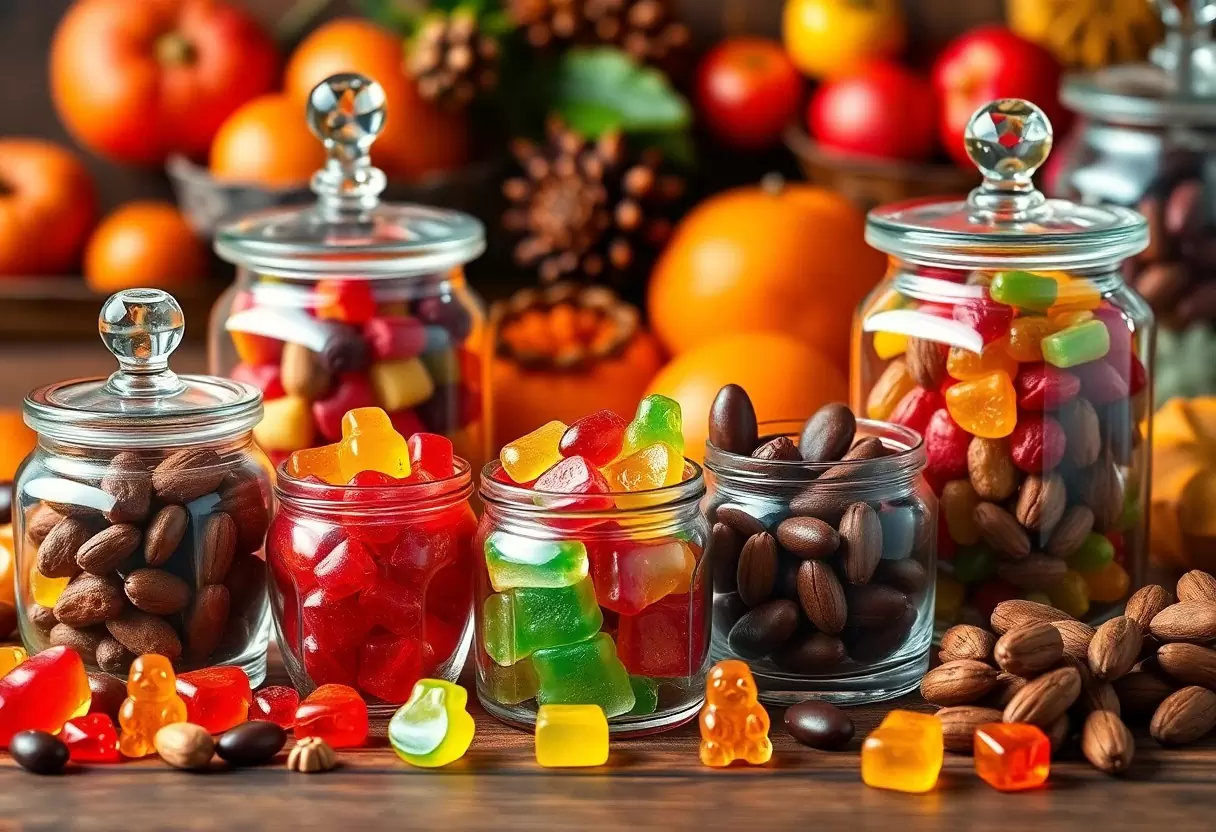
Many people seek delicious sweets that align with their dietary beliefs, and this guide will help you navigate the world of halal confectionery options. You’ll discover a variety of treats that not only meet halal standards but also satisfy your sweet tooth. From chocolates to gummies, this resource will empower you to make informed choices while enjoying the rich flavors and textures available in halal sweets.
Understanding Types of Halal Confectionery
In the diverse world of halal confectionery, you encounter a rich array of options tailored to diverse tastes and preferences. Each category has its unique characteristics, ingredients, and cultural significance, allowing you to choose sweets that not only comply with halal standards but also cater to your palate. The variety spans across chocolate and candy, to gummy and chewy sweets, each offering a delightful experience.
| Type | Description |
|---|---|
| Chocolate | Rich, creamy confections often infused with flavors. |
| Candy | Sugar-based treats that can be hard or soft, typically flavored. |
| Gummy Sweets | Chewy, gelatin-based candies available in various shapes. |
| Chewy Sweets | Soft confections that require a good bite, often fruit-flavored. |
| Chocolate-Covered Treats | Sweets enrobed in chocolate, merging flavors for a delightful crunch. |
When indulging in chocolate and candy, you’ll find a wide assortment of halal-certified brands that offer delectable treats. Whether you favor dark, milk, or white chocolate, halal options abound from manufacturers who prioritize sourcing ingredients that comply with Islamic dietary laws. For example, brands like Green & Black’s and Divine Chocolate ensure that their chocolates are not only rich in flavor but also adhere to halal principles by avoiding animal-derived ingredients that are not halal-certified.
Similarly, candies come in a spectrum of flavors, colors, and textures. Many traditional candies, such as jelly beans and hard candies, can be found in halal versions. You’ll often come across halal-certified gummy bears, taffies, and other sugar-based treats that dispose of any animal-derived gelatin or alcohol in their recipes, replacing them with plant-based alternatives. The transparency of ingredients has allowed these products to gain popularity in various markets, making them accessible for everyone looking for halal options that don’t compromise on taste.
When shopping for chocolate and candy, always look for clear halal certification labels. Many manufacturers go the extra mile to ensure their products meet halal requirements, and this not only supports your dietary choices but also promotes ethical sourcing practices. Perceiving these considerations enables you to enjoy your sweets with confidence, knowing they align with your values.
Gummy and Chewy Sweets
Gummy and chewy sweets exemplify creativity in the halal confectionery landscape, offering vibrant colors and textures that appeal to all ages. You’ll discover various flavors ranging from fruity to sour, all while adhering to halal standards. Most gummy products are made from pectin or other vegan-friendly gelling agents, making them suitable for a halal diet without compromising on taste or quality. Notably, brands like Haribo and Trolli have introduced halal lines in response to the growing demand from consumers that seek delicious treats that fit their dietary beliefs.
Additionally, chewy sweets provide a delightful sensation to your snacking experience. These candies often feature fruit flavors and are designed to be enjoyed slowly, allowing you to relish in the burst of taste with each bite. Popular choices include chewy fruit belts and nougat bars that find their place in halal food aisles. The key elements in producing these candies often involve substituting traditional gelatin with plant-based alternatives, ensuring that they can be enjoyed freely by those adhering to halal restrictions.
In your journey through gummy and chewy sweets, seek out brands that explicitly declare their halal certification. This assurance will guide you in making informed choices while satisfying your sweet tooth. The innovation in halal gummy and chewy options reflects a broader shift in the confectionery industry, proving that delicious sweets can be enjoyed within ethical frameworks.
Tips for Choosing Halal Options
When navigating the shelves of confectionery, it’s imperative to cultivate good habits that ensure you’re selecting truly halal options. Start by prioritizing products with clear halal certifications. Look for logos or labels from recognized certifying bodies, which can differ by region but are typically identified by an emblem denoting compliance with halal standards. Additionally, familiarize yourself with various organizations that provide certifying services, as this knowledge can be invaluable in making informed purchases. Always examine packaging closely; the visual reassurance of a halal symbol can eliminate uncertainty in your choices.
Moreover, it’s wise to connect with brands that openly communicate their halal practices. Engaging with manufacturers on social media or through direct inquiries can reveal a lot about their sourcing and production processes. You may find brands that specialize exclusively in halal products, which can provide a higher assurance level regarding the integrity of their ingredients. Keeping an open line of communication typically leads to discovering new brands or products that align with your dietary preferences. As you examine deeper into this culinary world, you will find that innovation is abundant, particularly in the halal sector.
Finally, take the time to engage in community discussions, whether through online forums, local groups, or social media. You’ll often find shared experiences and recommendations that can guide your choices. Many enthusiasts are eager to share their findings and provide feedback on various brands and products, which can serve as a trust signal. By tapping into these resources, you can enhance your understanding of halal confectionery and refine your palate, ensuring every sweet treat you choose aligns with your personal standards. This way, you’re not only enjoying your confectionery; you’re also building confidence in your selections.
Reading Labels and Certifications
Understanding how to read labels effectively can greatly influence your halal confectionery choices. Always scan the ingredient list and the nutritional label for clues about the halal status of the product. Ingredients often hide non-halal elements in unexpected forms; for instance, gelatin may derive from non-halal sources like pork, so knowing the origin is vital. Some brands provide additional information on their websites regarding ingredient sourcing, which can be quite helpful. Familiarizing yourself with common additives and their halal status can also enhance your ability to select appropriate treats.
Halal certifications will appear in various formats depending on the certifying body. For instance, you might see specific seals from organizations like the Islamic Food and Nutrition Council of America (IFANCA) or other local certifying entities. Each certification body has its own criteria; hence, ensuring you recognize these organizations is beneficial. When you come across packaging devoid of this certification, approach with caution and consider researching the manufacturer’s commitments to halal standards. This due diligence can prevent any inadvertent mistakes in your purchases. You might also enjoy our guide on Essential Guide to Non-GMO Candy Certification.
Lastly, it’s worthwhile to remember that marketing can sometimes be misleading. Some products may label themselves as “halal friendly” without holding any formal certification, implying lesser accountability. These terms might appeal to consumer sentiments but do not guarantee compliance with halal standards. Thus, seeking verified halal certifications provides clarity and assurance. Keeping a comprehensive approach towards label reading will empower you to navigate the confectionery aisles confidently.
Common Ingredients to Avoid
Navigating the world of halal confectionery requires an understanding of specific ingredients that may not align with halal guidelines. Start with gelatin, commonly used for texture in sweets and gummies, which often comes from non-halal sources. Another ingredient to scrutinize is L-cysteine, a dough conditioner that can derive from human or non-halal animal hair. Many confectioneries may also contain alcohol-based flavorings or perfumes, which are strictly prohibited. Additionally, certain colorings, particularly those derived from insects like cochineal or carmine, should be avoided as they are non-halal by nature. Always scrutinizing ingredient lists is vital to avoid these pitfalls.
Another common ingredient that may surprise you is stearic acid, which can be derived from both vegetable and animal sources. It’s a frequent additive in chocolates and confections, so unless it explicitly states it’s plant-based, it’s best to steer clear of those products. Natural flavors, while often appearing innocuous, can sometimes contain hidden non-halal components. These flavors can vary significantly from one brand to another, meaning that a thorough understanding of what to look for is paramount.
Those seeking to avoid non-halal ingredients must cultivate awareness about industry terms and potential sources of contamination. Familiarizing yourself with these components enables you to make choices that align with your dietary choices, ensuring your treats are both satisfying and compliant. This sphere of knowledge will not only refine your shopping experience but also enrich your understanding of halal products as a whole, allowing you to examine deeper into delicious, trustworthy confectionery.
Step-by-Step Guide to Buying Halal Confectionery
| Step | Description |
|---|---|
| 1. Research Brands | Investigate various confectionery brands that offer halal options. Look for certifications and read customer reviews to gauge quality. |
| 2. Check Ingredients | Examine the ingredient list for any non-halal components. Focus on avoiding gelatin, alcohol, and any artificial flavors derived from animal sources. |
| 3. Verify Certifications | Seek products with recognized halal certification from reputed organizations to ensure compliance with your dietary requirements. |
| 4. Choose Stores Wisely | Visit stores known for their selection of halal products. Ask about their sourcing policies for confectionery items. |
Identifying Reliable Brands
When seeking reliable halal confectionery brands, focus on companies that openly share their sourcing and manufacturing processes. A brand’s transparency is often a sign of integrity, especially when it comes to dietary concerns. Check their website for detailed ingredient lists and certifications. Brands such as Bisk Farm, Cadbury (select variants), and Haribo (Halal certified options) have earned a reputation among consumers for their commitment to halal standards, often explicitly stating this on their packaging.
Engage with community forums or social media groups that focus on halal products. You’ll find invaluable recommendations and experiences shared by consumers just like you. Members often discuss which brands they trust, which helps narrow down your choices. Additionally, consider seeking out small, local brands that specialize in halal confectionery; these often take pride in their products and offer unique flavors or treats not found in larger stores.
Finally, test different brands with small purchases before committing to larger quantities. This strategy can help you to evaluate taste, texture, and overall quality. If a brand consistently meets your expectations, make it a staple in your shopping routine. Your preferences and comfort should guide your decisions, ensuring that you enjoy your treats without compromising your values.
Where to Find Halal Sweets
Finding halal sweets is often a straightforward process if you know where to look. Begin by visiting local halal shops; many carry a variety of sweets that meet halal standards. These stores often stock popular brands and can introduce you to artisanal products unique to your region. In urban areas, specialized halal bakeries may offer a wide range of confectionery items, from traditional desserts to modern treats.
You might also consider exploring online retailers that focus on halal products. Websites like MyHalalBox or Halal Treats cater specifically to halal consumers, providing an extensive range of confectionery options delivered right to your door. These platforms often feature a selection you won’t find in physical stores, making them a convenient choice for those with specific cravings. You can take advantage of customer reviews to help you decide which sweets to purchase in bulk.
Furthermore, some mainstream supermarket chains are beginning to expand their halal product lines. Typically, they maintain a section dedicated to halal items. Always check the labels for halal certification and consult with store staff if you have questions. This variety ensures that indulging in halal sweets aligns perfectly with your dietary needs while still satisfying your taste buds.
Factors to Consider When Selecting Snacks
Choosing the right snacks involves more than just picking what looks appealing. You need to take into account various factors that influence both your personal preferences and dietary needs. Consider the ingredients, nutritional value, and how well the snacks align with your dietary beliefs. For many, the appeal of a snack might be diminished if it does not adhere to specific dietary standards or health considerations. Thus, taking a mindful approach to selecting snacks can lead you towards more satisfying and health-conscious choices. In addition, the availability of certifications like halal can guide choices and give peace of mind regarding what you’re consuming. You might also enjoy our guide on Guide to Clean Label Certification Standards.
- Check ingredient labels thoroughly.
- Consider any dietary restrictions or allergies.
- Evaluate the ethical implications of the brands.
- Look for nutritional content that fits your lifestyle.
This lays the foundation for a more informed snacking experience, making it easier to enjoy treats that conform to your values and health needs.
Dietary Restrictions and Allergies
When deciding on snacks, awareness of dietary restrictions and allergies is fundamental. Many confectionery options contain common allergens such as gluten, dairy, peanuts, or tree nuts. As you navigate the confectionery aisles, be proactive in checking the ingredient list to ensure that the snacks do not contain substances that you or your family members must avoid. An increasing number of brands now provide allergen information clearly, making it easier for you to make safe choices.
If you’re managing specific dietary conditions, such as lactose intolerance or gluten sensitivity, looking for snacks that are specifically labeled as free from these ingredients can be helpful. In recent years, the trend toward allergen-free and specialist snacks has grown, with many companies innovating to create products that satisfy both taste and health requirements. Products with certifications, such as gluten-free or nut-free, can offer reassurance, allowing you to indulge without worry.
This level of diligence in selecting snacks is not just about safety; it also enhances your overall eating experience. By choosing snacks that fit your dietary needs, you’ll probably find yourself enjoying your treats more fully, knowing they align with your health goals and restrictions.
Ethical and Sustainable Choices
Your choice of snacks can extend beyond taste and health to encompass ethical and sustainable factors. Many consumers today are more aware of the impact their food choices have on the environment and community well-being. Selecting confectionery options from brands that prioritize ethical sourcing, fair trade practices, and sustainable packaging can contribute to a more responsible consumption pattern. These brands are often transparent about their sourcing methods, and many engage in practices that promote local economies and reduce environmental footprints.
Additionally, organic and non-GMO certifications are becoming popular among snack providers. Choosing snacks that adhere to these standards can mean you’re supporting agricultural practices that are better for the environment. For example, brands that commit to using fair trade ingredients ensure that farmers and producers receive fair compensation for their products. By making deliberate choices in this arena, you can align your snack habits with your moral values.
This isn’t just about reducing your carbon footprint; it’s also about fostering a connection with the larger community involved in your food’s supply chain. By opting for ethically produced snacks, you contribute to a positive impact that can resonate well beyond your immediate circle, creating a ripple effect that encourages conscious consumption patterns among those around you.
Pros and Cons of Halal Confectionery
Pros and Cons of Halal Confectionery
| Pros | Cons |
|---|---|
| Meets dietary restrictions for Muslims. | May be limited in variety compared to non-halal options. |
| Often made with high-quality ingredients. | Potentially higher price point than non-halal sweets. |
| Often suitable for vegetarians and vegans. | Misconceptions about halal may deter some consumers. |
| Pursues ethical and humane sourcing of ingredients. | May require additional research to find trusted brands. |
| Can create awareness and appreciation for diverse cultures. | Availability might vary based on geographic location. |
| Trendy and innovative flavors often utilized. | Some brands may sacrifice taste for halal certification. |
| Diverse marketing options appeal to wider audiences. | Less familiarity can lead to skepticism about quality. |
| Often adheres to strict hygiene and safety regulations. | Possible difficulty in finding suitable products during holidays. |
| Supports halal certification bodies and standards. | May not always be labeled clearly, causing confusion. |
| Encourages inclusive practices in the food industry. | Some consumers might confuse halal with organic or gluten-free. |
Advantages of Halal Sweets
When you explore the advantages of halal sweets, one of the foremost benefits is their compliance with dietary restrictions. For you as a Muslim consumer, halal options provide peace of mind that the sweets you enjoy are permissible according to your religious beliefs. This not only fosters a sense of community among halal consumers but also encourages family and friends to share treats without concern. With an increasing number of businesses recognizing the demand for halal sweets, you will find that more products are being introduced, enhancing your choices.
Quality is another defining factor. Many halal confectionery brands take pride in using high-quality ingredients, avoiding the use of harmful additives or components like gelatin sourced from non-halal animals. This commitment often translates to better taste and texture, affirming the notion that halal does not compromise quality. For you, this could mean an enjoyable experience with luxurious chocolates or chewy candies that just feel good to consume, enhancing your overall enjoyment and satisfaction.
Moreover, halal sweets often cater to a wider range of dietary preferences. Many brands produce sweets that are also vegetarian or vegan, which means they can appeal to consumers beyond just those specifically seeking halal options. This inclusivity allows you to share these treats with friends or family members who may have differing dietary practices, further bridging gaps and promoting understanding within diverse groups.
Potential Drawbacks
While there are distinct advantages, potential drawbacks exist within halal confectionery that you should consider. One notable concern is the restricted variety found in some markets. Depending on your location, the selections of halal sweets might not be as extensive as traditional options, limiting your choices during shopping. This could also mean that you might miss out on certain classic treats that are not certified halal. You might also enjoy our guide on Ethical Cacao Sourcing: Revolutionizing the Chocolate Industry.
Another aspect to consider is pricing. Often, halal sweets come with a higher price point due to their specialized production processes, including certification fees and sourcing of ingredients compliant with halal standards. This may make it less feasible for you to indulge regularly compared to more ubiquitous non-halal options. Additionally, some halal options may sacrifice flavor or texture in pursuit of compliance, which can lead to a disappointing experience if you expect similar quality to non-halal products.
Moreover, navigating the halal market can pose a challenge when you encounter misleading labels. Not all products are clearly marked, and some retailers may not fully understand halal requirements. This leaves room for confusion and potential misrepresentation of products that you might otherwise enjoy. Your awareness of which brands and certifications to trust will significantly influence your shopping experience and overall satisfaction with halal confectionery.
Creative Ways to Enjoy Halal Treats
Mixing and Matching Flavors
One of the most enjoyable aspects of halal confectionery is the ability to mix and match flavors to create unique taste experiences. You can take classic options like fruit-flavored gummies and combine them with chocolate-covered nuts, giving you a delightful contrast between sweet and savory. This combination not only enhances the flavor but also adds an appealing texture that makes each bite interesting. For example, pairing tangy lemon-flavored jelly beans with rich dark chocolate can yield an unexpected yet delicious treat that surprises your palate.
Consider also blending savory and sweet elements in your selections. You might try creating a platter with honeycomb, halva, and dried fruit, allowing each flavor to complement the others. This not only provides you with a visually appealing spread but also invites a variety of flavors that can delight guests at gatherings. Having such a diverse range encourages exploration, allowing you to discover combinations you wouldn’t typically reach for on their own.
Additionally, think about incorporating herbs and spices into your choices. For example, using mint-infused chocolate as a base and adding a sprinkle of chili powder can transform a typical treat into an exotic experience. Experimenting with flavor profiles can truly elevate your enjoyment of halal treats and open up new avenues for sensory delight.
Using in Recipes and Desserts
When you think about halo confectionery, don’t limit yourself to simply enjoying them as is; they can be beautifully incorporated into various recipes and desserts. For instance, you can use halal marshmallows as a topping for your hot chocolate, adding richness and a delightful chewiness to the warming drink. Alternatively, consider creating a decadent chocolate bark by melting halal chocolate and mixing in nuts, dried fruits, and even crushed halal gummy bears for a playful twist. This approach not only transforms your treats but also allows you to craft personalized desserts that cater to your specific tastes.
Furthermore, you can use halal confectionery in baked goods. Imagine adding chopped halal candies like fruit slices or toffee into your favorite cookie dough for a fun and flavorful take on classic cookies. By integrating these elements into baking, you ensure that every bite delivers a balance of rich sweetness and texture. Introducing a variety of confectionery can transform simple recipes into splendid showstoppers that are sure to impress your family and friends.
Another fascinating way to utilize halal treats in your recipes is to incorporate them into layered desserts. Think of a parfait where you alternate layers of yogurt, halal granola, and diced halal chocolate or fruity candies. It not only creates a visually striking dessert but also provides a medley of flavors and textures that are enjoyable to eat. Experimenting with these ideas will help you discover how versatile halal confectionery can be in elevating your culinary creations.
Summing up
With this in mind, you now have a comprehensive understanding of the various halal confectionery options available to you. It is important to recognize the importance of sourcing products that align with your dietary preferences and ethical standards. By being informed about ingredients and certifications, you can make confident choices that suit your lifestyle. From chocolates to gummies, the expanding market of halal sweets provides an abundance of delightful treats that do not compromise on quality or flavor.
Your exploration of halal confectionery goes beyond merely satisfying your sweet tooth; it reflects your commitment to dietary observance and conscientious sourcing. By prioritizing manufacturers who uphold halal standards, you are supporting businesses that share your values. This not only enhances your enjoyment of sweets but also contributes positively to the growth of the halal market. You have the power to influence which products thrive based on your purchasing decisions.
When all is said and done, embracing halal confectionery options allows you to indulge in delicious treats while adhering to your principles. As you navigate the aisles of shops or browse online, you can feel empowered by your knowledge of what constitutes halal sweets. With every selection you make, you take active steps toward maintaining a lifestyle that reflects your values and preferences, ensuring your enjoyment of confectionery remains both responsible and satisfying.


