Essential Guide to Non-GMO Candy Certification
You are about to explore the necessary aspects of Non-GMO candy certification, providing you with the knowledge necessary to make informed choices for your bran

This article contains Amazon affiliate links. As an Amazon Associate, CandiesAndSweets earns from qualifying purchases.
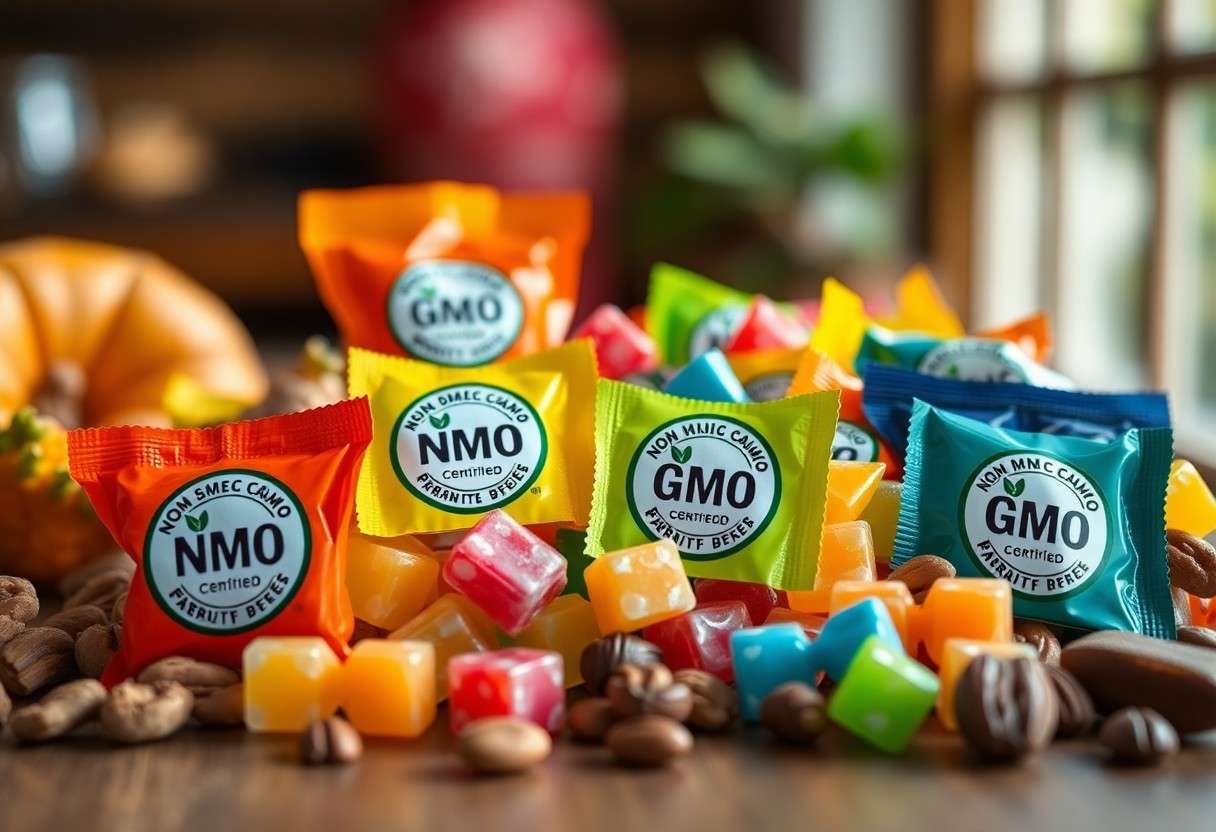
You are about to explore the necessary aspects of Non-GMO candy certification, providing you with the knowledge necessary to make informed choices for your brand or personal preferences. This guide outlines the certification process, the benefits of choosing Non-GMO ingredients, and how to effectively communicate your commitment to quality and transparency. By understanding the standards and requirements, you can ensure that your candy stands out in a market increasingly focused on healthy, environmentally friendly options.
Types of Non-GMO Candy
When exploring Non-GMO candy, you come across a variety of types that adhere to specific standards and certifications. Each category highlights different qualities that appeal to health-conscious consumers and those with ethical considerations. Understanding these distinctions can guide you in making informed choices about the candy you enjoy.
- Organic Non-GMO Candy
- Natural Non-GMO Candy
- Conventional Non-GMO Candy
- Fair Trade Certified Non-GMO Candy
- Vegan Non-GMO Candy
After identifying your preferences, you can probe deeper into the specific varieties that align with your values and tastes.
| Type | Description |
| Organic Non-GMO Candy | Made from organic ingredients that are certified Non-GMO. |
| Natural Non-GMO Candy | Contains natural ingredients without artificial additives and preservatives. |
| Conventional Non-GMO Candy | Standard candy made without GMO ingredients but not organic. |
| Fair Trade Certified Non-GMO Candy | Supports ethical sourcing and trade practices. |
| Vegan Non-GMO Candy | Free from animal products and GMOs. |
Organic Non-GMO Candy
Organic Non-GMO candy is crafted from ingredients that are not only free from genetically modified organisms but also produced through organic farming methods. You can expect ingredients like organic cane sugar, organic corn syrup, and organic flavors that meet USDA organic standards. These candies often exceed the baseline in terms of taste, quality, and health benefits. Brands such as Yummy Earth and Surf Sweets exemplify this category, offering a wide range of organic gummies and hard candies.
The appeal of Organic Non-GMO candy goes beyond just health—it’s also about supporting sustainable agricultural practices. While regular candies may source their ingredients from unsustainable farming methods, organic candies help promote biodiversity and reduce pesticide use. By choosing organic, you contribute to a system that values the environment and the health of consumers. You might also find that these candies contain fewer artificial ingredients, providing a cleaner option compared to their conventional counterparts.
After indulging in Organic Non-GMO candy, you may find it hard to go back to traditional options. As more consumers seek transparency in food sourcing and ingredient integrity, the market for Organic Non-GMO candies is predicted to grow significantly, paving the way for innovation and new flavors. It’s becoming increasingly clear that choosing Organic Non-GMO candies not only satisfies your sweet tooth but also aligns with a holistic approach to food and wellness.
Natural Non-GMO Candy
Natural Non-GMO candy is another enticing option in the candy market, characterized by its use of natural ingredients without any artificial additives or preservatives. You’ll often find these candies made with real fruit juices, natural colors, and flavors that stick true to nature’s offerings. Brands such as Smart Sweets and Natural Candy Store exemplify this category, providing you with guilt-free alternatives that satisfy cravings while being mindful of what goes into your body.
This type of candy appeals to consumers who prioritize ingredient integrity without necessarily opting for USDA organic certification. For example, they may include sweeteners derived from natural sources, such as honey or agave syrup, instead of refined sugars. It’s important to investigate the ingredients list, as even seemingly healthy options could include non-GMO ingredients that don’t necessarily qualify as nutritious. By selecting Natural Non-GMO candy, you balance your dietary choices with a preference for simplicity and authenticity.
After browsing the multitude of options, you’ll notice that Natural Non-GMO candy fits perfectly into a lifestyle that values wholesome eating. With a growing consumer demand for transparency and cleaner eating habits, the sector for Natural Non-GMO candies is expanding rapidly. Many manufacturers are now producing innovative flavor combinations and textures that elevate the candy-eating experience while remaining committed to non-GMO practices.
Factors Influencing Non-GMO Certification
When pursuing Non-GMO certification for candy, several interrelated factors come into play. These elements encompass not only the raw materials used but also the practices employed throughout the manufacturing process. Understanding these considerations will aid you in making informed decisions that align with certification requirements while appealing to consumers who prioritize Non-GMO products. Key factors include the sourcing of ingredients, manufacturing practices, and ongoing compliance monitoring, among others.
- Sourcing of ingredients
- Manufacturing practices
- Testing and verification
- Supplier relationships
- Regulatory compliance
Each of these components plays a significant role in building a transparent and trustworthy Non-GMO offering. An increasing demand for Non-GMO options drives you, as a manufacturer or retailer, to ensure that every region of your supply chain adheres to the highest standards for both quality and ethical sourcing.
Sourcing of Ingredients
To achieve Non-GMO certification, the sourcing of ingredients is indispensable. You must source non-GMO certified ingredients from suppliers who can validate their claims with proper documentation. Many ingredients, particularly corn and soy derivatives, often raise concerns due to their prevalence in GMO varieties. Therefore, forging relationships with suppliers who specialize in organic and Non-GMO crops allows you to ensure the veracity of your ingredient sourcing. Proactive sourcing may also involve geographic considerations, as you might prefer crops that are less likely to be genetically modified in certain regions.
In addition to verifying the source, understanding the supply chain of these ingredients plays a pivotal role in certification. Incorporating tiered audits and keeping detailed records of every step from farm to factory can significantly bolster your chances of obtaining Non-GMO certification. You may also find that being transparent with consumers about where and how your ingredients are sourced enhances trust and strengthens your brand’s reputation in the marketplace.
Engaging with suppliers who can provide Non-GMO assurance should not simply be a one-time endeavor; it must be a continuous process. Regularly assessing and communicating with your suppliers ensures compliance with non-GMO standards, as fluctuations in agricultural practices or genetic modifications could occur. This vigilance not only fosters a dynamic relationship with your ingredient sources but also supports overall compliance with Non-GMO certification standards. You might also enjoy our guide on Guide to Clean Label Certification Standards.
Manufacturing Practices
After securing Non-GMO ingredients, your manufacturing practices will play a significant role in obtaining and maintaining certification. It’s important to implement strict protocols that prevent cross-contamination during processing. You must utilize dedicated equipment and processing lines while also employing thorough cleaning processes between runs of different products. This is vital to avoid even trace levels of GMOs in your final product. Additionally, staff training is crucial to ensure that everyone involved understands the importance of these practices and adheres to them diligently.
Documentation will also be a key component of your manufacturing practices. You should maintain detailed logs of processing conditions, equipment cleansing, and ingredient sourcing. This level of transparency not only simplifies the certification process but also serves as a clear guideline for your team, clarifying the roles everyone plays in ensuring compliance. The implementation of standardized operating procedures can help reinforce these practices throughout your organization and facilitate regular reviews of your processes.
Moreover, your commitment to continual improvement and adaptation facilitates not just compliance, but also innovation. Emphasizing a culture of excellence in production is important for maintaining Non-GMO status. This can include evaluating new technologies or methodologies that further reduce the risk of contamination and enhance the quality of your products. Leveraging feedback from certification audits can provide you with insights on ways to improve and adapt, helping you stay ahead in the competitive Non-GMO candy market.
Step-by-Step Process for Certification
| Step | Description |
| Initial Assessment | Evaluate your candy formulations and ingredients against Non-GMO standards. |
| Certification Application | Submit a formal application to the certifying body with required documentation. |
| Compliance and Inspection | Undergo audits and inspections to ensure adherence to Non-GMO practices. |
Initial Assessment
The first step in the certification process involves conducting a thorough initial assessment of your candy and its ingredients. You should compile a detailed list of all components used in your formulations, including sweeteners, flavorings, and colors. Scrutinize each ingredient to confirm whether it is sourced from non-GMO origins. This stage often entails reaching out to suppliers for Non-GMO verification documentation to substantiate your claims.
Your evaluation should also consider the potential for cross-contamination, especially if your production facility processes both GMO and non-GMO ingredients. Developing a comprehensive risk assessment can help you identify and mitigate areas where GMO contamination might occur. This proactive strategy not only ensures compliance but strengthens your credibility in the marketplace.
You may want to utilize tracking tools or software designed for ingredient sourcing, as they can simplify the management of supplier certifications and help you maintain a clear record of your ingredient histories. This systematic approach to initial assessment lays a solid foundation for the subsequent stages of certification.
Certification Application
Once submitted, your application may undergo a review process before advancing to the next steps; be prepared to provide further information or clarifications if requested by the certifying organization. Open communication can smooth over any potential issues and expedite the review process.
The certification application stage may vary depending on the certifying body you choose. Some organizations provide online portals for easier submissions, while others may require physical documents. Understanding the specific requirements and processes of your chosen certifier will greatly influence the efficiency of your application. Researching different certifying bodies and their timelines can also be beneficial to set realistic expectations.
Compliance and Inspection
The compliance and inspection phase is critical in ensuring that every aspect of your production aligns with Non-GMO standards. After your application is accepted, a representative from the certifying organization will likely conduct an on-site inspection of your facility. During this inspection, they assess your production processes, sanitation practices, and overall adherence to their Non-GMO guidelines. This includes verifying that all ingredients used correspond with what is listed in your application, further ensuring transparency in your operations.
Upon successful inspection, you may be granted Non-GMO certification, allowing your products to bear the Non-GMO label. This certification not only satisfies regulatory requirements but can enhance your brand’s reputation among consumers who focus on health and sustainability. By demonstrating a commitment to Non-GMO standards, you engage a growing market segment that prioritizes transparency and quality.
Tips for Ensuring Non-GMO Compliance
Ensuring Non-GMO compliance is a fundamental aspect of producing and marketing Non-GMO candy. To achieve this, you should implement robust quality control measures throughout your production process. Start by identifying all the ingredients used in your recipes, verifying their Non-GMO status through certification statements or testing results. Establish routine audits to ensure that all suppliers are consistently providing Non-GMO certified ingredients, and maintain thorough records to showcase your compliance efforts. This documentation not only helps with audits but also builds trust with your consumers.
Documentation is critical in showcasing your adherence to Non-GMO standards. A clear labeling strategy should accompany your compliance efforts. Utilize resources like the Non-GMO Project’s guidelines to develop accurate labeling that reflects your certifications. Furthermore, consider engaging in transparency by providing detailed information on your sourcing practices and ingredient origins. Transparency fosters an authentic connection with your audience and increases their confidence in your product. You might also enjoy our guide on Ethical Cacao Sourcing: Revolutionizing the Chocolate Industry.
- Implement rigorous supplier evaluations.
- Maintain comprehensive ingredient records.
- Conduct regular training for your staff on Non-GMO standards.
- Develop a transparent labeling process.
- Engage in consumer education about your Non-GMO commitment.
Perceiving these steps as part of a continuous improvement approach will help ensure your Non-GMO compliance remains strong and reliable in an ever-evolving market.
Staying Updated on Regulations
Non-GMO regulations are frequently evolving, making it necessary for you to stay informed about any changes that may impact your candy’s status. Subscribe to industry newsletters and regulatory updates to remain current on both local and international standards. You should also participate in trade associations dedicated to Non-GMO practices, where you can access resources and insights that guide compliance and highlight best practices. Take advantage of seminars or webinars focusing on Non-GMO certifications, as they can offer valuable perspectives and updates directly from regulatory bodies.
Furthermore, collaboration with legal experts can be beneficial. Engaging consultants or legal advisors who specialize in food labeling regulations can help ensure your business adheres to the latest guidelines. Keeping abreast of any legislative changes will allow you to adapt your policies proactively, avoiding potential pitfalls that could arise from non-compliance. This proactive stance contributes significantly to the integrity of your brand and fosters consumer trust.
You also need to regularly review your supply chain and ingredient sources in light of updated regulations. Changes in the status of crops, advancements in genetic modification technologies, and emerging research can affect your compliance standing. Ensuring ongoing dialogue with suppliers about these developments is fundamental, as it assists you in maintaining a compliant product line that meets consumer expectations for Non-GMO standards.
Collaborating with Reliable Suppliers
Building relationships with reliable suppliers is one of the most effective strategies for ensuring Non-GMO compliance. You’ll want to vet potential suppliers thoroughly, looking for those that possess reputable Non-GMO certifications or have a solid track record in the industry. Initiate direct conversations about their sourcing practices and request documentation to validate their Non-GMO claims. This partnership goes beyond the initial procurement; it involves continuous communication and regular meetings to address any challenges or updates regarding ingredient sourcing.
When you collaborate with suppliers, consider establishing contracts that specify the necessity for Non-GMO certification and quality standards. These agreements should clearly outline the stipulations for any ingredients that fail to meet the required standards, ensuring that you have a fallback plan if your suppliers encounter issues. You may also encourage suppliers to stay proactive regarding their own certifications and sourcing practices, as this can create a mutually beneficial environment where everyone is invested in maintaining high standards.
The rapport established with suppliers can significantly affect your product’s reputation in the market. Forming strong partnerships allows for better communication regarding any potential cross-contamination risks or sourcing changes, which can directly impact your compliance status. Integrating these partnerships into your overall supply chain strategy will enhance your ability to provide Non-GMO candy that aligns with customer expectations and regulatory requirements.
Pros and Cons of Non-GMO Candy Certification
Pros and Cons Comparison
| Pros | Cons |
|---|---|
| 1. Market Differentiation | 1. Certification Costs |
| 2. Consumer Trust | 2. Ongoing Compliance Maintenance |
| 3. Enhanced Brand Loyalty | 3. Limited Ingredient Options |
| 4. Increased Sales Potential | 4. Time-Consuming Processes |
| 5. Health-Conscious Consumer Appeal | 5. Risk of Mislabeling |
| 6. Potential for Higher Prices | 6. Complexity of Supply Chain |
| 7. Support of Sustainable Practices | 7. Scrutiny from Regulators |
| 8. Educational Opportunities | 8. Less Flexibility in Formulation |
| 9. Compliance with Global Standards | 9. Potential for Increased Legal Liabilities |
| 10. Innovation Encouragement | 10. Consumer Confusion Over Labels |
Benefits of Certification
Achieving Non-GMO candy certification significantly enhances your marketability, allowing your products to stand out among the myriad of choices available to consumers. With an increasing number of people seeking out non-GMO options for health and environmental reasons, your certification acts as a powerful marketing tool. For instance, candy brands that advertise their non-GMO status often see an increase in sales as they meet consumer demand for transparency in sourcing and ingredient integrity. Providing clear labeling reassures customers and distinguishes your product in a competitive marketplace.
Moreover, certification can cultivate deep customer loyalty. When you emphasize your commitment to non-GMO ingredients, you position your brand as an advocate for responsible sourcing and health-conscious choices. This trust leads to repeat purchases and strong brand advocates who are more likely to recommend your products to others. Consumers today are motivated by values, and aligning your brand with non-GMO practices builds a narrative that resonates well with health-conscious buyers, fostering long-term relationships that can be beneficial for business sustainability.
Non-GMO certification also opens the door for potential partnerships with retailers that prioritize responsible products in their offerings. Big-box retailers, health food stores, and e-commerce platforms frequently spotlight non-GMO items, giving your candy greater visibility and distribution opportunities. Additionally, being certified could potentially lead to collaborations with other brands and organizations focusing on similar ethical practices, expanding your reach and influence within the non-GMO community. This network of relationships not only strengthens your market position but also adds to the overall narrative of health and sustainability that you champion.
Potential Drawbacks
While Non-GMO candy certification brings numerous advantages, it is important to be aware of the potential drawbacks associated with the process. The costs related to certification can be significant, including fees for testing, maintaining compliance, and possibly reformulating recipes to meet standards. These expenses might deter some brands, particularly small businesses or startups that operate on limited budgets. The certification process can also be time-consuming, adding layers of bureaucracy that can delay product launches or changes in your product line. You might also enjoy our guide on Essential Guide to Halal Confectionery Options.
The ongoing requirements for maintaining compliance can create additional pressure on your operations. You will need to routinely document your ingredient sourcing, manage supplier relationships carefully, and stay up to date with regulatory changes and standards related to non-GMO verification. This continuous commitment can add complexity to your supply chain and operational processes, potentially increasing the risk of mislabeling or inadvertently using non-compliant ingredients. Such occurrences can lead to costly recalls, tarnished brand reputation, and legal ramifications.
Overall, the potential drawbacks of non-GMO certification necessitate a careful assessment of your business’s capability to meet the demands involved. If you are not prepared for the financial and operational commitments required, you may find the process more burdening than beneficial in the long run. Balancing these challenges with the clear benefits of certification will be key to determining the right course for your candy brand.
Market Trends in Non-GMO Candy
Consumer Demand
In recent years, consumer demand for non-GMO candy has surged significantly. A growing consciousness around health and wellness has prompted shoppers to scrutinize ingredient labels more closely. Research indicates that approximately 50% of consumers actively seek products with non-GMO certifications, reflecting a powerful shift in purchasing behavior. You’ll find that many consumers prioritize transparency, with brands responding by showcasing their non-GMO status prominently on packaging and marketing materials.
Your preferences extend beyond health concerns; ethical sourcing and environmental sustainability are also on your radar. Brands that proudly declare their non-GMO status often appeal to consumers looking for products that align with their values. In fact, a survey revealed that over 70% of parents are more likely to buy candies that are free from GMOs for their children, underscoring the importance of perceived safety. As you navigate store aisles, you may notice how well-known brands are reinventing their formulas to eliminate genetically modified ingredients, catering to this rising demand.
Consumer awareness campaigns and educational initiatives have played a pivotal role in driving this trend. With increased media coverage and grassroots movements advocating for non-GMO foods, you’re more likely to encounter discussions about the benefits of choosing non-GMO products among peers, online communities, and retailers alike. This heightened awareness has created a ripple effect, motivating you and many others to gravitate toward brands that prioritize non-GMO candy options. As a result, manufacturers are compelled to innovate, ensuring that your diverse taste preferences are met without compromising on health standards.
Industry Growth
The non-GMO candy segment is witnessing remarkable growth, with analysts projecting a compound annual growth rate (CAGR) of around 6% over the next five years. Industry leaders are recognizing the opportunity presented by the increased demand for non-GMO products, leading to significant investments in research and development. You may observe established candy brands reinvigorating their product lines, while emerging companies are entering the market with entirely non-GMO offerings. This dynamic landscape fosters competition, encouraging all players to elevate quality and transparency.
Market insights reveal that specialty retailers and online platforms are becoming pivotal avenues for non-GMO candy sales. As more consumers pivot to health-oriented shopping experiences, these channels provide the ideal setting to showcase the attributes of non-GMO products. Furthermore, the rise of social media influencers endorsing healthier lifestyles amplifies the visibility and desirability of non-GMO candies, making them more accessible to you. With this increased online engagement, you can easily find and support brands that align with your values and preferences.
Retail strategies are also evolving, enabling you to make more informed choices when selecting non-GMO candy. With the introduction of non-GMO labels and certifications, retailers are making it simpler for you to navigate these options in-store and online. You’ll likely notice that more retailers are expanding their non-GMO sections to accommodate this growing trend, reflecting an industry that thrives on consumer trust and informed decisions about what you choose to consume.
To wrap up
Presently, navigating the landscape of non-GMO candy certification can seem daunting, but understanding the process is fundamental to ensuring that you offer products that align with consumer values focused on health and sustainability. By familiarizing yourself with the necessary certification standards and the organizations that manage them, you empower your business to make informed decisions that resonate with an increasingly health-conscious audience. Incorporating non-GMO ingredients not only enhances the quality of your candy but also establishes your brand as a trustworthy participant in the marketplace, thereby expanding your customer base.
Every step in achieving non-GMO certification is significant. You must carefully assess your ingredient sourcing and manufacturing practices, ensuring transparency at each level. Engaging with suppliers who are committed to non-GMO standards is key. By prioritizing partnerships that share your commitment to quality, you not only guarantee product integrity but also support a broader movement towards more sustainable food systems. This alignment will ultimately foster loyalty among your consumers, who value the assurance that comes with certified products.
By actively pursuing non-GMO candy certification, you position your brand for long-term success in a competitive industry. Customers are becoming more discerning, seeking products that not just satisfy their sweet tooth, but also match their ethical and health considerations. Emphasizing your commitment to non-GMO principles in your marketing strategies can enhance your brand’s visibility and appeal, reflecting a dedication to quality and responsibility. As you navigate this journey, you will not only fulfill market demand but also contribute positively to consumer education regarding food choices, paving the way for a healthier future.