Why Cashew Cream Truffles Are the Expert Approved Treat
It's easy to see why experts recommend cashew cream truffles: you enjoy silky, indulgent texture, nutrient-dense healthy fats, and chef-level versatility, while

This article contains Amazon affiliate links. As an Amazon Associate, CandiesAndSweets earns from qualifying purchases.
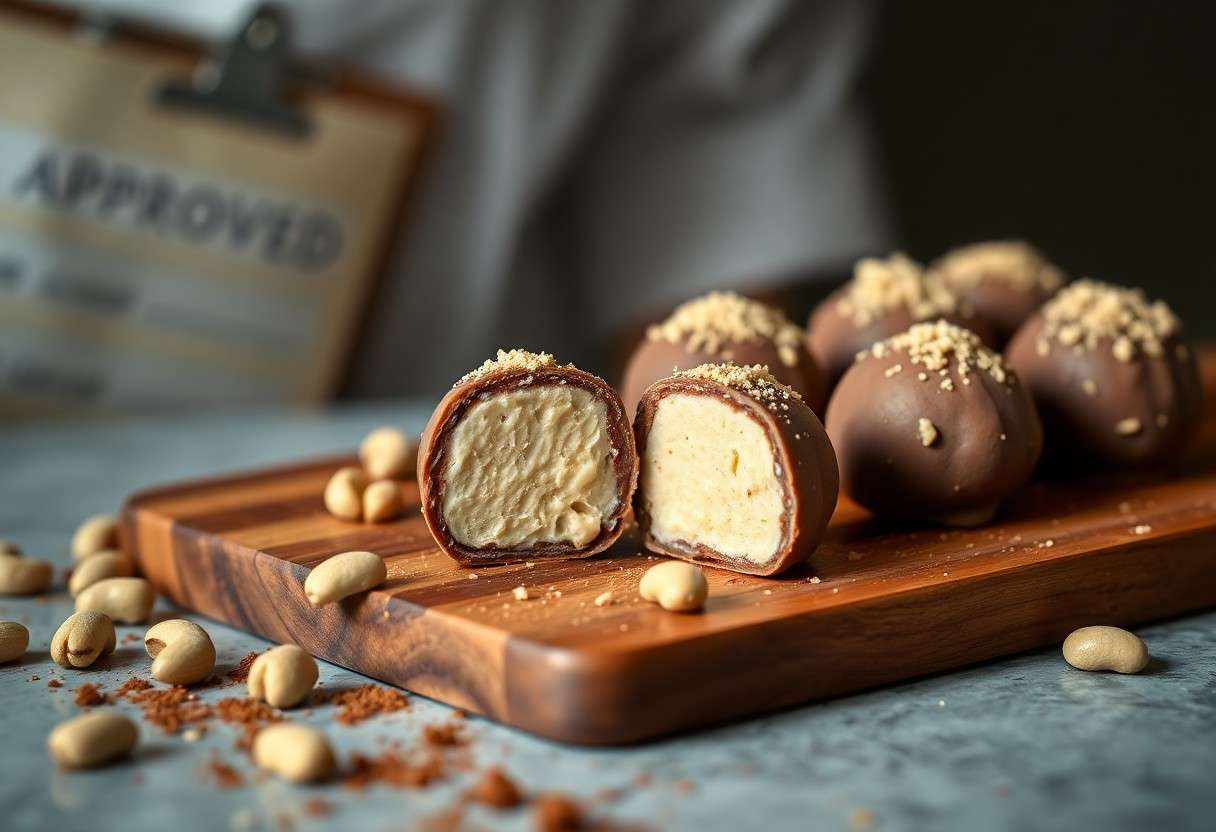
It’s easy to see why experts recommend cashew cream truffles: you enjoy silky, indulgent texture, nutrient-dense healthy fats, and chef-level versatility, while needing caution for severe cashew allergy risks.
The Nutritional Profile of Cashew Lipids
Cashew lipids are dominated by monounsaturated fats like oleic acid and provide a creamy mouthfeel; you gain concentrated energy and fat-soluble nutrient delivery. High in monounsaturated fats, cashew cream supports texture and satiety, but its calorie density can contribute to weight gain if you overindulge.
While processing into cashew cream reduces some antinutrients, you still receive intact lipid-soluble vitamins and antioxidants. Lower in saturated fat than many dairy creams, cashew truffles offer a nutrient-dense indulgence that preserves richness without relying on butter or heavy cream.
Heart-Healthy Monounsaturated Fats
Oleic acid, the main monounsaturated fat in cashews, helps lower LDL cholesterol and may raise HDL; you can use cashew cream as part of a heart-conscious dessert. Evidence links monounsaturated fats to improved lipid profiles, making these truffles a heart-friendly choice when eaten sensibly.
Balance portion sizes since fats are energy-dense; you should pair a truffle with protein or fiber to blunt blood-sugar spikes. Overconsumption remains the primary risk, so enjoy cashew cream treats in moderation to preserve cardiovascular benefits.
Essential Minerals and Bioavailability
Magnesium, copper, iron, and zinc occur in cashews at appreciable levels, and you absorb many minerals well from the cream format. Copper and magnesium support metabolic and bone functions, giving cashew truffles nutritional substance beyond simple fats.
Phytate content in cashews is lower than in many seeds and legumes, so you typically access a higher proportion of those minerals when you eat the cream. Better mineral bioavailability makes cashew-based desserts more nutritive than alternatives with similar calories.
Because pairing cashew cream with vitamin C-rich fruits enhances your iron uptake, you should combine truffles with berries or citrus for a nutritional boost. Watch added sugars and sodium in commercial products, since those can negate mineral benefits and increase health risks.
Achieving Superior Texture Through Emulsification
Emulsification is what gives cashew cream truffles their silky mouthfeel; when you blend hydrated cashews with a small amount of neutral oil and water at high speed, tiny fat droplets suspend, producing a stable emulsion. You control viscosity by adjusting water-to-nut ratio and pulse speed, and you avoid heat that can promote off-flavors.
Adjusting with a teaspoon of sunflower lecithin or a touch of coconut butter helps you lock in texture without dairy, while rapid chilling sets the truffle ganache. You should avoid overblending, since excess friction raises temperature and risks oil separation and bitter notes.
The Science of Soaking for Maximum Creaminess
Soaking softens cashews so they puree into an ultra-smooth matrix; you can opt for 2-4 hours in cool water or a 20-30 minute hot soak for speed. Pay attention to water ratio and drain well to prevent dilution, because too much liquid weakens structure and affects truffle shape.
Maintaining Structural Integrity Without Dairy
Binding agents like tapioca starch, nut butters, or a little agar give you firm centers without dairy, letting truffles hold their shape while staying creamy. Use small amounts and test set times, as excessive binder creates gumminess instead of a refined bite.
Chilling rapidly firms the ganache and reduces oil migration, so you should chill truffles before enrobing and store them at cool temperatures to maintain snap and mouthfeel; shelf stability depends on fat ratio and refrigeration.
Consider balancing fat types-blend neutral oils with cashew butter-to achieve a stable crystal structure, and add lecithin or powdered sugar sparingly to improve emulsification; overuse can cause grainy texture or separation.
Flavor Versatility and Infusion Potential
Cashew cream’s creamy, neutral base lets you craft truffles that range from delicate to bold, and you can tailor texture and sweetness so each bite matches your intent while noting the tree-nut allergen risk for guests.
Experiment with oils, liqueurs, and concentrates to build layered profiles; you control potency and mouthfeel, so even small amounts deliver potent infusions without overwhelming the chocolate.
Complementing High-Percentage Cacao
Dark cacao often brings intense tannins and dryness, and you can use cashew cream to add a silky mouthfeel that softens bitterness while preserving bean complexity.
Balancing high-percentage bars requires careful sweetening and acid modulation, so you should adjust salt, citrus, or floral notes to reduce perceived harshness and minimize added sugar.
Botanical and Global Spice Integration
Cinnamon, cardamom, matcha, and yuzu pair exceptionally well because you can infuse oils or steep botanicals into the cream to highlight aromatics, though some elements like nutmeg are toxic in large doses and demand restraint.
Try toasting whole spices, steeping them briefly in warm cream, and straining before folding into chocolate; you should start small with potent botanicals and increase incrementally to achieve precise, balanced results.
The Expert Preference for Plant-Based Stability
Experts praise cashew cream because you gain a naturally uniform fat-protein matrix that delivers a stable emulsion and reliable mouthfeel, reducing the need for additives in truffle centers.
You will notice how that consistency lets you predict texture and melting behavior during plating and storage, so your batches stay consistent and you avoid quality variance between runs. You might also enjoy our guide on Best Premium Truffle Collections for Gifting and Sharing.
Resistance to Fat Bloom and Separation
Cashew cream forms tighter oil-protein interactions, so you see less fat bloom and reduced free-oil separation compared with less-stable fillings, helping you present glossy, attractive truffles without rework.
Shelf-Life Advantages in Artisanal Confectionery
Artisans using cashew cream report that controlled formulations cut moisture migration and oxidative changes, giving you extended shelf stability when products are properly acidified and packaged.
Storage practices matter: you must monitor water activity, use airtight packaging, add natural antioxidants like vitamin E, and refrigerate higher-moisture batches to minimize spoilage and rancidity risk.
Dietary Inclusivity and Clean Label Appeal
Cashew cream truffles fit varied diets because you get a silky base of soaked cashews, cocoa, and minimal sweetener, giving you a clean-label treat without synthetic additives.
You can scan short ingredient lists quickly and trust that many formulations avoid dairy, gluten, and refined oils, making these truffles a friendly option for sensitive eaters.
Navigating Vegan and Paleo Requirements
Simple swaps let you tailor truffles: use maple or date paste for Paleo-friendly sweetness and keep plant-based chocolate to ensure the recipe stays fully vegan.
If you follow strict Paleo, you avoid processed sugars; you can choose raw honey only if not vegan, or use date paste to remain both compliant and indulgent while preserving texture.
Reducing Inflammatory Responses to Dairy
Many people react to dairy proteins and lactose; you reduce common inflammatory triggers by choosing cashew cream, which removes casein and lactose-both frequent inflammatory culprits.
Switching to cashew-based truffles often lowers gut irritation for sensitive individuals, but you must watch for nut allergies and cross-contamination, as those present serious risks.
Studies show dairy elimination can lower systemic inflammation markers for susceptible people, so you should check labels carefully and consult a clinician to avoid unintended nutrient gaps.
Professional Preparation and Tempering Standards
Professional kitchens demand strict temper control so your truffles hold shape and shine; you should aim for 29-32°C depending on the chocolate, using a probe thermometer. Maintaining that window gives you a glossy coat and reduces the risk of burns when handling hot chocolate.
Consistency in method keeps results repeatable: you should employ seeding or tabling, keep bowls dry, and use a digital thermometer to verify temperature. Avoid humidity and stray water, which will seize chocolate and ruin texture.
Precision Blending for Micro-Smooth Ganache
Precision in blending cashew cream with tempered chocolate ensures a stable emulsion; you should pulse a high-speed blender, scrape down sides, and stop short of overheating to preserve mouthfeel. Aim for a silky, micro-smooth ganache.
Blade speed and brief pauses matter: you should warm the blades slightly to prevent cold streaks, then strain the ganache through a fine sieve to remove particles and rest it to let trapped air escape before portioning. You might also enjoy our guide on How to Make Gourmet Chocolate Truffles at Home Like a Pro.
Enrobing Techniques for the Perfect Snap
Temper your coating chocolate so it develops stable crystals; you should keep it in its working window to deliver a clean sheen and perfect snap once cooled. Proper temper prevents dull, soft shells.
Coating requires steady hands: you should dip centered ganache, tap off excess at the bowl’s rim, and set on parchment while avoiding condensation by cooling near 16-18°C for optimal texture.
Practice the double-dip method for reinforced edges: you should chill the initial thin shell, then re-dip to seal seams, using a cooling rack and quick taps to remove drips so you get a thin, even shell that prevents soggy centers.
Final Words
Summing up, you find cashew cream truffles expert-approved because their silky, neutral-tasting fat creates a ganache-like texture, while toasted cashew notes add depth without overpowering chocolate; chefs appreciate the stable emulsion, clean flavor, and adaptability for dietary needs. You can present them elegantly, adjust sweetness and flavorings with precision, and rely on a treat that performs consistently in professional kitchens. You might also enjoy our guide on Top 5 Luxury Truffle Collections for Connoisseurs.


