Why Fudge Won't Set: Solving the Soft and Syrupy Conundrum
Discover the secret to achieving perfectly firm fudge and learn how to troubleshoot the frustrating problem of soft and syrupy textures.

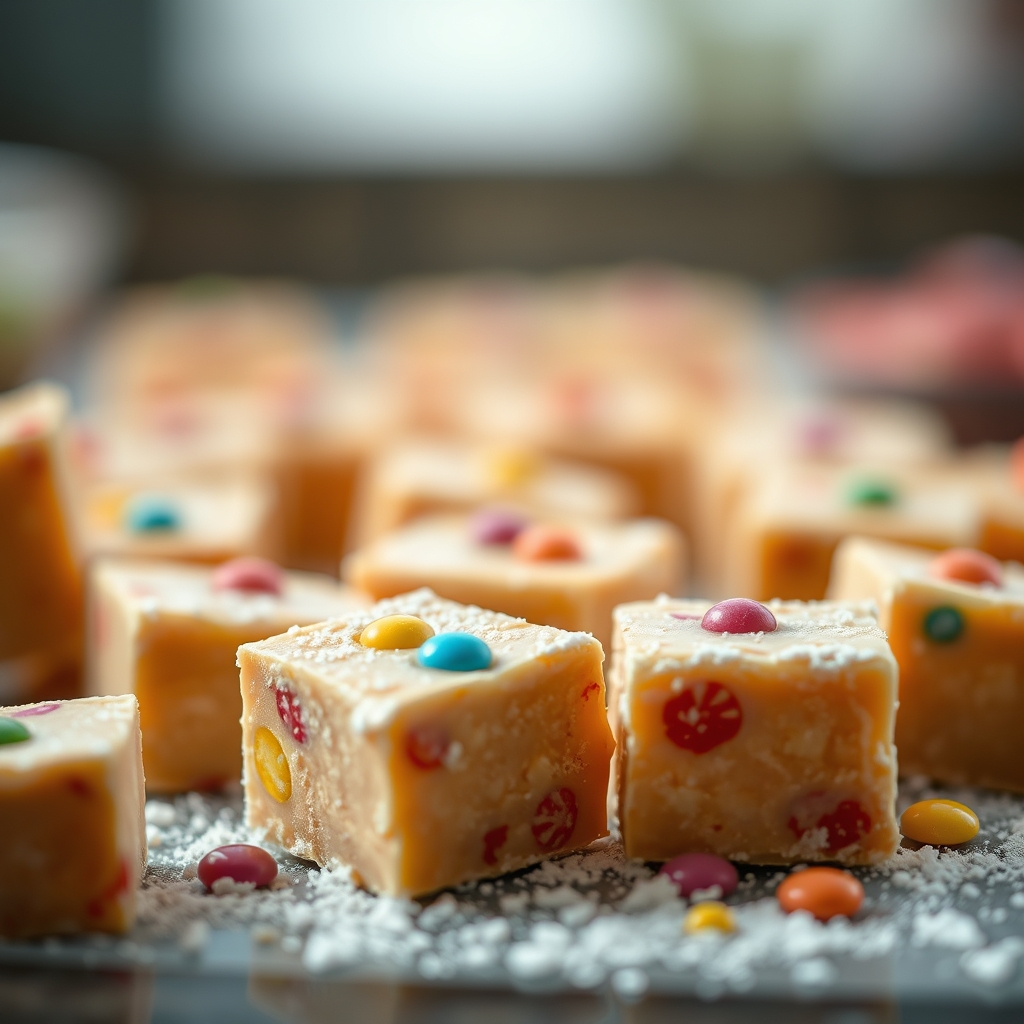
Making fudge can be a delightful experience, but it can quickly turn into a frustrating ordeal when the final product refuses to set. Many candy makers have been there - patiently waiting for hours, only to find that their fudge remains stubbornly soft and syrupy. This problem can be especially disheartening when you've followed a recipe to the letter and still can't seem to get it right.
Fudge making is an art that requires precision and attention to detail, and even the smallest misstep can throw off the entire process. The soft-ball stage, a critical point in the candy making process, is particularly tricky to navigate. It's easy to get confused about when to remove the syrup from the heat, and the consequences of getting it wrong can be disappointing.
However, with the right techniques and tools, you can overcome the challenges of making perfect fudge. By understanding the science behind sugar concentration and temperature, you can unlock the secrets to creating firm, creamy, and deliciously smooth fudge that will impress anyone. In this article, we'll delve into the common pitfalls of fudge making and provide you with practical tips and solutions to help you achieve success.
For news on the business, brands and politics shaping the candy industry, see our sister publication NewsAnarchist.
The Problem
Fudge won't set and stays soft or syrupy even after hours of cooling.
Why It Happens
The syrup wasn't cooked to a high enough temperature, so there isn't enough sugar concentration for it to firm up.
The Fix
Use a calibrated candy thermometer (test it in boiling water first -- it should read 212F at sea level) and cook to the full soft-ball range before removing from heat.