How Oat Milk Chocolate Is Changing the Candy Industry
Just watch how oat milk chocolate gives you a creamy, dairy-free alternative with lower emissions and wider market appeal, while you assess potential gluten cro

This article contains Amazon affiliate links. As an Amazon Associate, CandiesAndSweets earns from qualifying purchases.
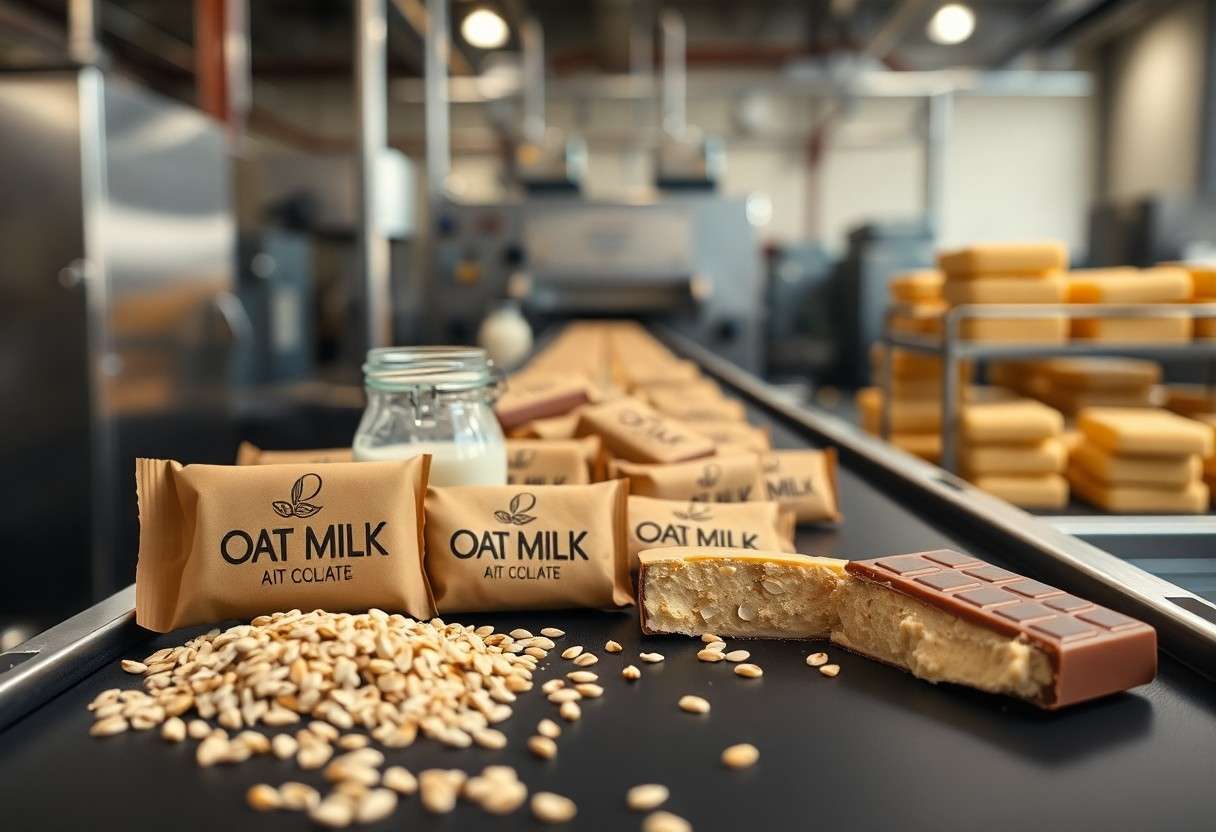
Just watch how oat milk chocolate gives you a creamy, dairy-free alternative with lower emissions and wider market appeal, while you assess potential gluten cross-contact risks for sensitive consumers and enjoy new flavor-driven sales growth reshaping the candy aisle.
The Rise of Plant-Based Confectionery
Sales of oat milk chocolate have surged as you notice wider shelf space and premium brand collaborations, pushing traditional makers to adapt. Consumers are buying plant-based bars for taste and ethics, and manufacturers report higher margins and growing market share as texture and melt profiles improve.
Shifting Consumer Demographics and Ethical Consumption
You belong to a younger, ethically driven cohort that values animal-free options and transparent sourcing, so brands that disclose practices win your loyalty. Buying patterns now factor in labor and welfare claims, and allergen labeling and gluten cross-contact remain important if you have sensitivities.
Environmental Sustainability of Oats vs. Dairy Production
Oats use far less land and water than dairy cows, so choosing oat milk chocolate typically lowers your product-level footprint. Life-cycle research often shows reduced greenhouse gas emissions for oat alternatives, though regional farming methods and ingredient choices affect outcomes.
Lifecycle assessments often find oat milk produces roughly half the emissions of cow’s milk per liter and requires substantially less land and water, but processing energy, added sugars, and packaging can erode gains, so you should review ingredient lists and company sustainability reports to judge net impact.
The Science of Texture and Mouthfeel
Texture in oat milk chocolate comes from soluble fibers and natural lipids that coat your palate, producing a sustained, creamy sensation; you often get an authentic melt with lower saturated fat and a pleasant afterfeel that rivals dairy versions.
Replicating the Creaminess of Traditional Milk Chocolate
Oat milk uses beta-glucans and dispersed lipids to recreate the velvet melt you expect, so you perceive slow melting and full-bodied creaminess while avoiding lactose; the result is beta-glucans mimic dairy fat for familiar indulgence.
Oat Milk’s Superior Emulsification Properties
Emulsification in oat formulations depends on proteins and polysaccharides that reduce interfacial tension, enabling you to enjoy stable suspensions of cocoa and fat with stabilized texture and fewer added emulsifiers.
Stability from those emulsions improves shelf life and can reduce fat bloom, but you should note that shared processing lines may cause cross-contact with dairy, which can be dangerous for people with severe allergies.
Practical trials show oat components form durable interfacial films, allowing you to see cleaner labels and fewer synthetic emulsifiers while maintaining the mouthfeel consumers expect.
Market Disruption and Competitive Landscape
Oat milk chocolate is forcing you to rethink sourcing and pricing as new demand shifts profit pools toward plant-based SKUs, creating both opportunity and inventory risk.
Retailers face tighter category dynamics as big brands and nimble independents vie for shelf space, and you may see faster SKU turnover and margin pressure.
Major Confectionery Giants Entering the Oat Milk Space
Global confectioners are rolling out oat milk lines, so you confront aggressive marketing and price pressure that can squeeze smaller competitors and change category share quickly.
The Growth of Boutique and Artisanal Vegan Brands
Independent chocolatiers use oat milk to signal artisan quality and sustainability, giving you distinctive products that build loyal customer followings.
Younger brands often carry scalability and supply risks, so you should vet capacity and ingredient consistency before expanding orders.
Manufacturing and Formulation Innovations
Manufacturers are retooling production lines so you can enjoy oat milk chocolate at scale, adopting heat-stable emulsifiers, modified conching, and controlled moisture profiles to offset oat proteins. These steps deliver improved sustainability while addressing the increased melt and microbial risk from higher free water.
Solving the Challenges of Melting Points and Tempering
Oat milk’s lower fat compatibility forces you to adjust tempering and cooling curves: blend higher-melting fats, use precise seed tempering, and tighten time-temperature control to form stable cocoa crystals. Watch for lower melting points that increase product softness and potential production losses.
Balancing Flavor Profiles Without Artificial Additives
Crafting flavor balance requires you to mask extra oatiness and boost cocoa presence using toasted oat concentrates, natural caramelization, and targeted roasting of beans; enzymatic treatments and natural lecithin help smooth mouthfeel while keeping clean-label appeal.
Natural techniques let you modulate sweetness, acidity, and bitterness-use controlled Maillard reactions, short fermentation of oats, or mineral salts so you can reduce sugar without off-notes; monitor bitterness closely to avoid consumer rejection.
Nutritional Advantages and Health Positioning
You now see brands using oat milk to claim a healthier candy option: more unsaturated fats and plant-based, lower saturated fat profiles, plus soluble fiber like beta‑glucan that can support heart health. Check labels for added sugars and portion sizes, since those can negate benefits.
Addressing Lactose Intolerance and Allergen Concerns
If you avoid dairy, oat milk chocolate offers a lactose-free alternative that removes cow’s milk proteins for many; you can enjoy chocolate without typical milk reactions. Check packaging for declarations about milk allergens and potential cross-contact from shared equipment before you buy.
Lowering Cholesterol and Improving Fiber Content in Candy
Oat milk brings beta‑glucan into chocolate, a soluble fiber linked to lower LDL cholesterol; when you choose oat-based fillings, you get reduced saturated fat and more fiber than milk chocolate. Evaluate serving size so you understand the actual fiber contribution per piece.
Studies suggest about 3 grams daily of oat beta‑glucan can lower cholesterol, but you should note that small servings of candy may be insufficient to reach that dose. Look for bars that use concentrated oat ingredients or added fiber, and always watch sugar that could offset heart benefits.
Future Trends in Oat-Based Sweets
Consumers are driving innovation as you seek treats that blend indulgence and dairy-free nutrition, with oat milk chocolate’s creamy mouthfeel convincing mainstream buyers.
Brands will expand formats and formulations so you find more oat-based bars, filled confections and seasonal lines that emphasize clean labels and transparent sourcing while warning about gluten cross-contact risks for sensitive shoppers.
Expansion into Functional and Fortified Chocolate Products
You will see oat chocolate fortified with protein, vitamins and prebiotic fibers that let you treat cravings while supporting gut health, with functional blends marketed toward active and wellness-focused shoppers.
Manufacturers are testing micro-dosed botanicals and targeted nutrients so you get specific benefits per serving, though label accuracy and regulatory clarity will determine consumer trust.
Global Market Projections and Retail Expansion
Retailers are increasing shelf space for oat chocolates because you respond to plant-based trends, and forecasts project double-digit growth in many regions over the next five years.
Analysts predict that you will find oat milk chocolate in value and premium channels alike, but price sensitivity and supply constraints could temper expansion.
Distribution partnerships with sustainable ingredient suppliers will shape availability as you choose brands, and scaling capacity for oat milk production will determine which markets gain shelf presence fastest.
Summing up
The rise of oat milk chocolate shows you how plant-based innovation is reshaping product development, taste expectations, and retail assortments. You see mainstream brands adapting formulations, smaller makers finding market openings, and consumers demanding cleaner ingredients and better mouthfeel. You benefit from more ethical sourcing options and improved availability, signaling lasting change in how candy is made and marketed.


