How Candy Became Currency in Some Cultures
Most people envision currency as coins or paper bills, but in some cultures, candy has served as an alternative form of money. In various societies, edible trea

This article contains Amazon affiliate links. As an Amazon Associate, CandiesAndSweets earns from qualifying purchases.
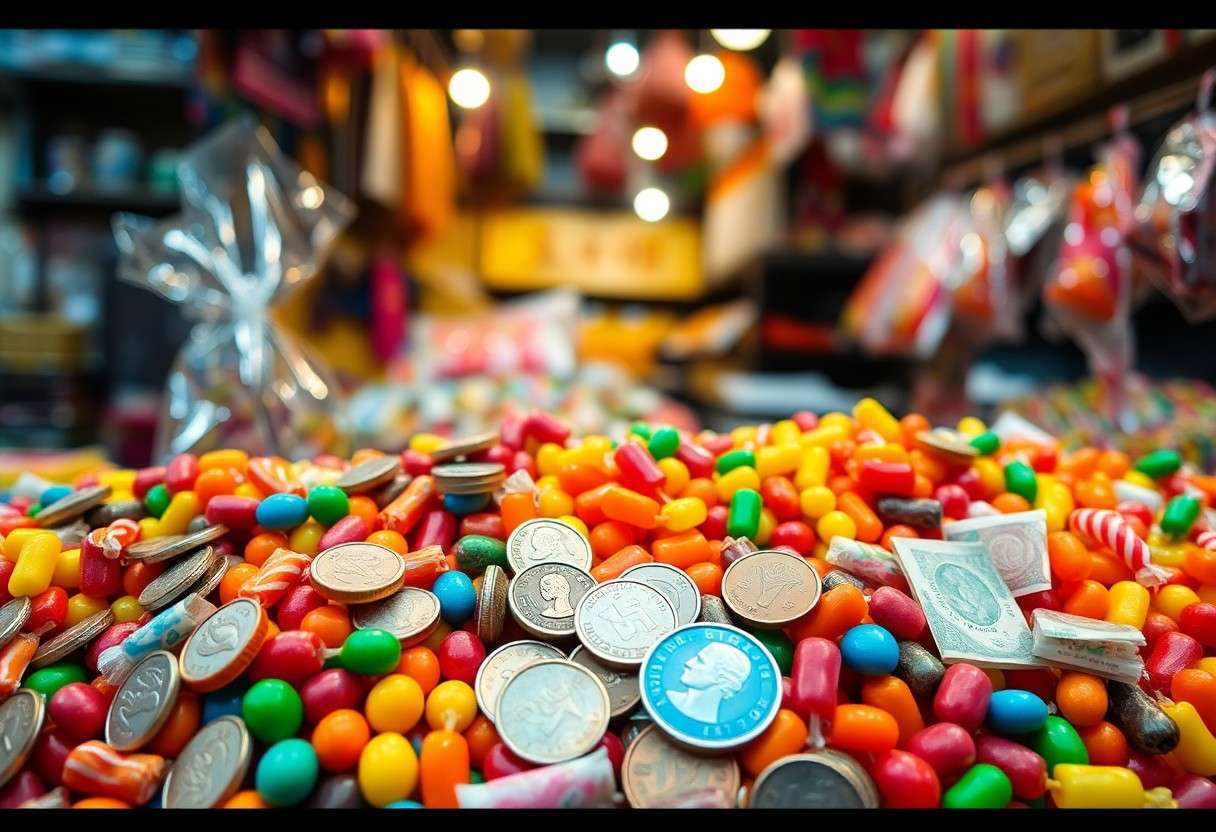
Most people envision currency as coins or paper bills, but in some cultures, candy has served as an alternative form of money. In various societies, edible treats have not only acted as a form of exchange but have also played significant roles in rituals, celebrations, and day-to-day transactions. Understanding how candy attained this vital status can provide you with unique insights into cultural practices and social dynamics around the world. Join us as we explore the fascinating journey of candy as currency in different cultures.
The Sweet Origins of Candy as Currency
Historical Context: Early Trading Practices
Long before the establishment of standardized currency, early trading practices relied heavily on barter systems. Communities exchanged goods and services not through a common medium but rather via direct trade. In this landscape, items of value varied widely based on local needs and availability. Candy, with its unique appeal and delightful flavors, became a coveted item in certain societies. In ancient Mesoamerica, for example, cacao was not only consumed but also used as a form of currency, traded for goods and services much like coins. This early trading practice highlights how something as simple as a sweet treat could carry significant economic weight.
Communities realized the power of making transactions enjoyable and memorable through the inclusion of candies and sweets. With their scarcity and desirability, certain candies were elevated beyond mere treats to become symbols of wealth and social status. You might find that tribes would offer elaborate confections during rituals or as a means of forming alliances, indicating that the sweet origins of candy as currency were deeply interwoven with the social fabric of these early societies.
Cultural Significance of Candy in Ancient Societies
An examination of ancient societies reveals a fascinating connection between candy and cultural practices. In some cultures, candy wasn’t just a reward but a representation of hospitality and abundance. For instance, in ancient China, sweets made from sugar and rice were commonly given as gifts during festivals and celebrations, signifying prosperity and goodwill. The act of sharing candy helped to strengthen community bonds, reinforcing the idea that sweetness is linked to generosity and social cohesion.
Additionally, in various South Asian cultures, sweets are integral during significant life events, such as births, weddings, and religious festivals. The tradition of offering sweets to guests is a ritual that symbolizes respect and appreciation. The memorable taste of these confections serves not just to please, but also to etch the occasion in the collective memory of the community. By exploring these cultural standpoints, you can appreciate how candy has long served as more than a commodity, transcending into a vehicle for expressing sentiments and upholding traditions.
Sugar’s Role in Economic Systems
The Value of Sugar in Global Trade
The economic significance of sugar cannot be understated, as it has long been a staple in global trade. From the 16th century onward, sugar emerged as a valuable commodity, driving trade routes and influencing colonial economies. You might find it fascinating that during the 18th century, sugar surpassed cotton as the most lucrative crop, significantly impacting the prosperity of nations like the British Empire. The triangular trade route specifically showcased sugar’s importance, linking the Americas, Europe, and Africa in a network that was largely fueled by the demand for sugar and its byproducts, which included molasses and rum.
Today, sugar continues to play a pivotal role in international markets, with countries like Brazil and India being top producers. The Global Sugar Trade is valued in the billions of dollars, highlighting how this sweet substance serves not only as a basic ingredient in countless foods but also as an economic driver that influences agricultural practices, labor markets, and even international relations. As you explore the varying dynamics of global trade, you might notice how sugar’s pricing can affect everything from your grocery bill to policies in sugar-producing nations.
Candy and Bartering: An Alternative Currency
In certain communities, using candy as a currency is not merely a whimsical idea but a practical and culturally rooted practice. Particularly in regions where conventional currency may be scarce or where economic systems are less established, candy often serves as an alternative medium of exchange. For instance, in some remote villages, sweets can facilitate trade among families, who may exchange chocolate bars for grains or other necessities. This practice teaches the value of goods and services in a way that transcends traditional monetary systems.
A case study worth noting is the use of candy for trade amongst children in various cultures. During Halloween, kids might swap their candy loot with friends to obtain preferred treats. This informal bartering system encourages negotiation and interaction, mirroring broader economic principles. It highlights the idea that value is subjective; what may be mundane to one person could be a sought-after prize for another. By understanding these dynamics, you start to appreciate how candy evolves beyond mere indulgence into a form of social and economic currency.
Candy as a Social Connector
Gift Giving and Community Cohesion
Your interactions with friends and neighbors often take on a sweeter note through the practice of gift-giving. In many cultures, candy represents more than just a tasty treat; it acts as a tangible symbol of kindness and community connection. For example, during the Lunar New Year, sharing packets of red envelopes filled with candy isn’t just about the sugar; it’s a way to foster relationships and extend goodwill among family and friends. This act strengthens community ties, creating a shared sense of belonging. You might find that in some indigenous cultures, candy exchanged during gatherings acts as a form of social currency, reinforcing bonds among community members while enhancing trust and cooperation.
Candy in Rituals and Celebrations
Candy plays a pivotal role in various cultural rituals and celebrations, often marking special occasions with sweetness. For instance, in Mexico, the Day of the Dead festival prominently features sugar skulls crafted from candy, symbolizing the spirits of the deceased. Sharing these edible treasures not only honors lost loved ones but also promotes unity and remembrance within the community. Additionally, in a number of African societies, candy might be offered during marriage ceremonies and childbirth celebrations as a token of goodwill and blessing. You see, these rituals integrate candy deeply into the fabric of social life, tying together joy with ceremonial significance.
During these festivities, the importance of candy transcends mere consumption; it embodies the essence of cultural heritage and collective identity. Think about how a simple piece of chocolate can become a cherished part of your personal memories tied to holidays or family gatherings. The act of sharing candies, such as during Halloween or Diwali, highlights how they reinforce connections among participants, creating shared experiences that extend well beyond just the moment of indulgence. As a simple sweet treat evolves into a cultural artifact, it plays a critical role in imparting values, history, and social norms, weaving together the fabric of community life.
Modern-Day Impacts of Candy Currency
Candy Economies in Contemporary Cultures
Your understanding of economics may take a sweet turn when you investigate into the modern-day candy economies. In regions where traditional currency is less accessible or carries little value, candy has emerged as a vital medium of exchange. In certain communities in Brazil, for instance, children often trade marbles and candies just like currencies, creating localized systems where the value of items reflects their desirability among peers. You might notice that the popularity of a specific candy can elevate its status within these exchanges, leading to price fluctuations similar to stock market behavior. This delightful form of trade invites you to consider the broader implications of candy as an asset, particularly in areas where economic instability exists.
The Influence of Candy on Local and Global Markets
Candy doesn’t just wield its power in localized economies; its reach extends to the global market, influencing consumer behavior and brand strategy. Major candy manufacturers, such as Mars and Nestlé, have capitalized on the idea of nostalgia in their advertising, appealing to consumers’ sweet memories while driving sales of traditional treats. You may find it fascinating that in countries like Japan, unique and artisanal candy varieties have surged in popularity, prompting a trend toward premiumization—consumers are willing to pay more for a gourmet experience that includes unique flavors or crafts. This shift in consumer preference is reshaping how businesses position their products.
The intricate relationship between candy and commerce can be observed in how seasonal events influence consumer demand. For example, during Halloween, candy sales soar, with Americans reportedly spending over $2.6 billion on Halloween candy alone in recent years. This spike provides candy companies with a unique opportunity to innovate by releasing themed candies and limited editions, catering to the heightened consumer spending during these festive times. In the broader spectrum, just as trends influence local candy economies, they ripple out to impact global supply chains and production techniques, demonstrating how candy can morph from a simple treat to a significant player in the world’s economy.
Lessons from Candy-Based Economies
Insights Into Value Perception and Trade
Candy-based economies illustrate how personal preferences shape the concept of value. In regions where traditional currency is scarce or distrusted, candy serves not just as a sweet treat but as a tangible representation of status, trust, and barter potential. For instance, in some communities, specific candies can hold greater value, such as unique local variations that symbolize cultural heritage or social belonging. When you think about why a bag of gummy bears might be preferred over a pocketful of coins, consider the nostalgic connections and emotional significance attached to those sweets, which casual currency lacks.
Through the lens of candy, trade becomes a more personal interaction based on trust and mutual benefit rather than mere exchange of goods. You might swap your favorite candy for a favor or service, creating a direct link between the value of what you offer and what you receive. This approach highlights a more nuanced understanding of trade, demonstrating how cultural practices shape perceptions of worth, especially in communities that prioritize relationships over transactional exchanges.
Rethinking Currency in a Changing Global Landscape
The shift toward candy as a medium of exchange raises questions about the future of traditional currencies. As digital currencies gain traction, societies that embrace candy-based economies remind us that the essence of currency is flexibility and adaptability. What is money, really? If you can trade sweets for services or goods, you’re vitally practicing your own brand of economic thinking that challenges standard definitions of currency posited by conventional economics. Your interactions might become a commentary on how social trust and local customs currently outbalance fluctuating global economic markets.
Amidst economic uncertainties, pragmatism in using candy as a currency reveals the spirit of innovation in overcoming barriers such as inflation or lack of access to banking. Cultures that leverage these sweet tokens embody resilience, adapting to their immediate surroundings to maintain economic exchanges without traditional financial systems. Such insights prompt discussions on whether value can be created from shared experiences and community bonds much like candy is created through communal enjoyment and nostalgia.
Conclusion
Drawing together the rich tapestry of cultural practices, you see how candy has transcended its role as a mere treat to become a form of currency in various societies. In many contexts, sweets have not just served as a form of commerce but have also represented social status, affection, and communal bonds. By exchanging candy, individuals forge connections, express gratitude, and even negotiate peace. Your understanding of these intricate social dynamics can deepen as you explore how different cultures utilize candy in unique ways, reflecting their values and traditions.
As you explore into the historical significance of candy as currency, it’s clear that this phenomenon is not merely whimsical. It highlights the human desire for connection and the tangible forms of value that can manifest in everyday life. By engaging with these traditions, you enrich your appreciation for global cultures and might even find new perspectives on how material items—be they candy or currency—shape our interactions and relationships. As you move forward, consider how the sweets you enjoy might hold deeper meanings in your own life and in the lives of others around the world.