How Sustainable Candy Packaging Reduces Environmental Impact
Many consumers like you can reduce environmental harm by choosing sustainable candy packaging that cuts emissions and landfill plastic; you gain reduced waste a

This article contains Amazon affiliate links. As an Amazon Associate, CandiesAndSweets earns from qualifying purchases.
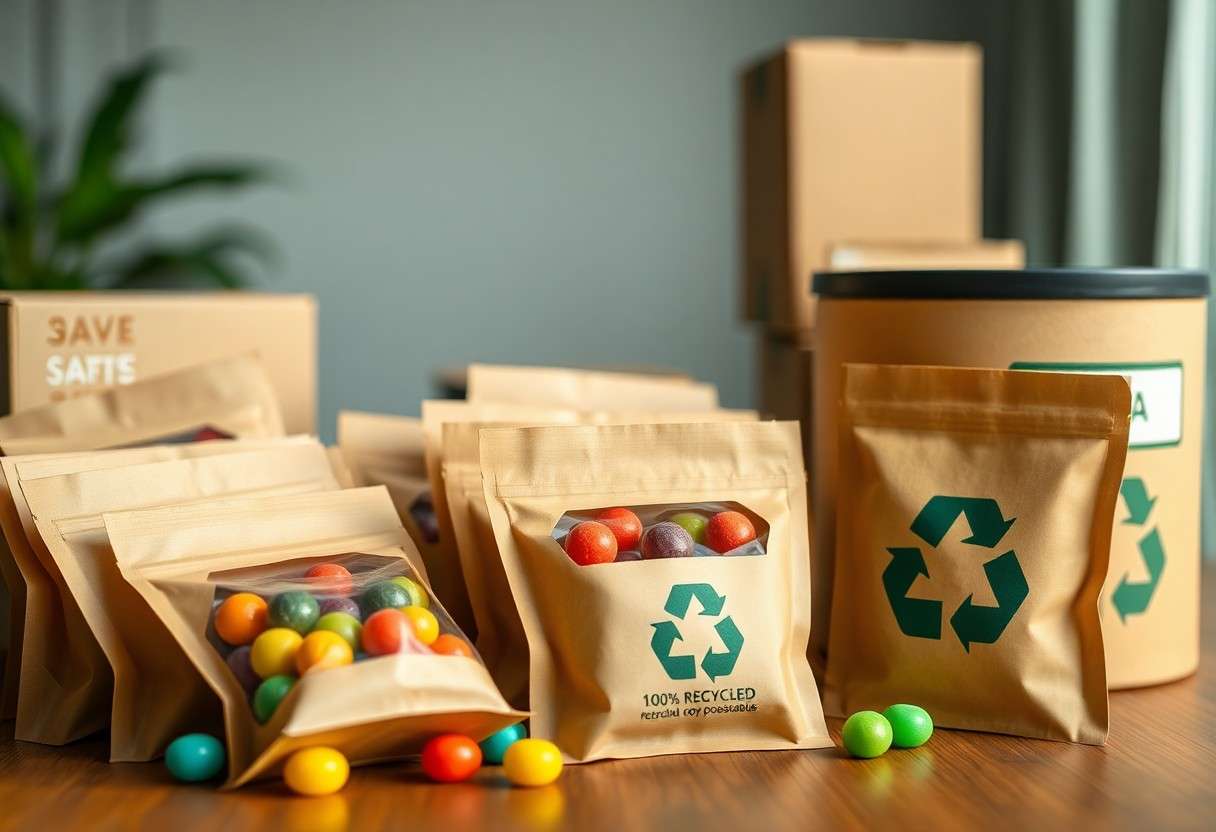
Many consumers like you can reduce environmental harm by choosing sustainable candy packaging that cuts emissions and landfill plastic; you gain reduced waste and avoid plastic pollution.
The Environmental Toll of Conventional Confectionery Packaging
Packaging for mass-produced sweets often ends up in landfills or the ocean, and you confront the fallout through clogged drains and contaminated beaches. Producers rely on single-use plastics that persist for centuries, increasing cleanup costs and harming ecosystems you value.
Waste streams from confectionery wrap contain mixed materials that hinder recycling, so you frequently see items diverted to incineration or disposal. These routes release heat-trapping gases and leach chemicals, creating long-term pollution you and communities must manage.
Proliferation of Single-Use Plastics and Microplastics
Plastic wrappers fragment into microplastics that you ingest indirectly via food chains and water, posing health and ecological risks. Beaches, sediments, and seafood reveal persistent microplastics that resist degradation and accumulate toxins, making cleanup and harm reduction costly for you and wildlife.
Carbon Intensity of Traditional Manufacturing Processes
Manufacturing conventional candy packaging demands energy-intensive processes and fossil-fuel feedstocks, so you contribute to high carbon emissions across material production, converting, and transport stages. That embedded carbon amplifies the product’s climate footprint before it reaches shelves.
Energy sourcing and long supply chains further raise emissions, and you can see how choices like virgin plastic, aluminum foil, or multi-layer laminates inflate lifecycle impacts. Switching to recycled materials or low-carbon alternatives can cut those emissions and reduce the burden you leave downstream.
Innovations in Biodegradable and Compostable Materials
Biodegradable solutions let you replace fossil-based wraps with materials that break down under the right conditions, cutting long-term waste and lowering plastic pollution in landfills and oceans.
Manufacturers now provide clearer certifications so you can verify claims and choose packaging that meets both performance and end-of-life goals; look for labels that confirm industrial compostability or home composting where applicable.
Plant-Based Polymers and Bioplastics
Polylactic acid (PLA) gives you a lower-carbon film sourced from corn or sugarcane, helping reduce fossil inputs, but it often needs industrial composting and improper disposal can contaminate recycling streams.
Functional Barriers Derived from Cellulose and Seaweed
Cellulose-based coatings allow you to maintain oxygen and grease resistance without petrochemical films, offering compostable and non-toxic barrier options while requiring careful moisture management.
Seaweed-derived polymers like alginate provide you with edible or water-soluble barriers that can reduce microplastic formation, though unsustainable harvesting can pose ecological risks if supply scales without regulation.
Testing shows you can combine cellulose and seaweed layers to meet shelf-life targets while keeping materials industrially compostable; evaluate barrier performance against oil, oxygen, and moisture and monitor supply constraints and certification to ensure real-world sustainability.
Transitioning to a Circular Economy with Recycled Content
Adopting recycled content lets you reduce reliance on virgin plastics while improving overall lifecycle performance, with measurable cuts in greenhouse gas emissions and material extraction across your supply chain.
Integrating Post-Consumer Recycled (PCR) Resins
Using PCR resins allows you to displace virgin material and meet sustainability targets, but you must control contamination risks through strict specifications, incoming testing, and supplier audits to preserve food safety and recyclability.
High-Recovery Potential of Paper and Aluminum Alternatives
Choosing paper and aluminum options gives you access to well-established recovery systems: paper tolerates mechanical recycling and aluminum supports closed-loop recycling, so you can maximize material recapture and reduce landfill diversion.
Designing candy packaging around mono-material paper or aluminum and simple coatings lets you increase collection value; when you avoid complex laminates and non-recyclable adhesives, you raise actual recovery rates and improve circularity outcomes.
Strategic Design for Material Minimization
Design that minimizes material use lets you cut packaging weight and volume, which lowers raw material demand and reduces waste across the product lifecycle.
Manufacturers can optimize shapes and combine functions so you avoid separate trays or unnecessary wrappers, resulting in fewer disposal hazards and lower costs.
Right-Sizing and the Elimination of Excess Layers
Right-sizing ensures you match candy portion and shelf pack to realistic consumer needs so you eliminate extra airspace and remove redundant layers that drive landfill volume.
Packaging that fits tightly reduces product movement and lets you reduce cushioning, lowering material use while you maintain product safety and decrease the risk of contamination.
Lightweighting Techniques to Reduce Transport Emissions
Lightweighting swaps heavy substrates for engineered films and thin-gauge materials so you cut shipment mass, lower fuel consumption, and shrink your brand’s transport footprint.
Choosing mono-materials and strategic perforations makes you use less polymer overall and simplifies recycling streams, decreasing contamination and lifecycle impacts.
Small percentage reductions per pack compound across millions of units, meaning you can achieve substantial fleet-wide emission cuts by standardizing lighter formats and optimizing palletization.
Life Cycle Assessment: From Sourcing to End-of-Life
Life cycle assessment lets you track environmental impacts from raw material extraction through production, distribution, and disposal. By quantifying energy use, water consumption, and waste generation, you can pinpoint high-emission stages and redesign packaging to reduce carbon output and plastic leakage risks. Attention to end-of-life pathways lowers the chance of contamination that forces recyclable material into landfills.
Sustainable Raw Material Procurement Standards
Suppliers should meet verifiable standards so you source materials with lower ecological and social harm. Requiring certification, chain-of-custody documentation, and limits on virgin plastic reduces deforestation and the risk of forced labor. Clear procurement criteria let you prioritize recycled, compostable, or certified fibers while maintaining food safety and supply consistency.
Improving Consumer Disposal Accuracy through Clear Labeling
Labels that use simple verbs and icons help you decide whether to recycle, compost, or discard packaging. Including disposal method, material type, and local instructions reduces mis-sorting and protects recycling streams; you can cut contamination and lower processing costs by making the correct action obvious. Highlighting recyclable or compostable status guides fast consumer decisions.
Icons with color cues and a prominent action word enable you to sort quickly even under time pressure. Adding a QR code linking to local guidance and using standardized symbols reduces confusion that leads to contamination and failed recovery.
Pilots that test alternative label designs allow you to measure improvements in correct disposal and iterate toward the clearest messaging; tracking returns and contamination rates offers measurable gains in material recovery and reduced landfill input.
Regulatory Compliance and Global Market Trends
Regulators across regions are tightening packaging rules, forcing you to meet recycled-content targets and upgraded labeling. Meeting those standards reduces waste but may raise short-term sourcing costs; failure risks significant fines and supply disruptions. Your design choices now affect cross-border sales and distribution permits.
Markets now reward packaging that demonstrates transparent recyclability, so you can gain shelf space and retailer partnerships by proving reduced lifecycle impact. Expansion into EU, UK, and parts of Asia often requires documented material flows and certification, raising the bar for suppliers and packaging specs.
Extended Producer Responsibility (EPR) Laws
Compliance frameworks like EPR require you to report packaging volumes, cover end-of-life costs, and meet collection targets; noncompliance carries penalties and reputational harm. Aligning with EPR early reduces long-term fees and forces you to optimize material weight and recyclability across product lines.
Meeting the Demand of the Eco-Conscious Consumer Base
Consumers increasingly judge brands by packaging, so you must communicate clear recycling instructions and visible material claims to build trust and repeat purchases. Design that minimizes single-use plastic often translates into higher perceived value and measurable sales uplift.
Packaging that uses certified recycled or compostable materials helps you capture eco-minded shoppers while avoiding greenwashing risks; you should include third-party labels and lifecycle data to substantiate claims and protect your brand reputation.
To wrap up
As a reminder, you reduce landfill waste and microplastic pollution by choosing compostable, recyclable, or minimal candy packaging. You also cut emissions and conserve raw materials when you favor recycled content, lightweight formats, and reusable dispensers, while supporting brands that disclose packaging impacts.


