Best Organic and Fair Trade Candy for Conscious Consumers
Candy choices can protect farmers and the planet when you choose certified organic and fair-trade sweets, while avoiding treats with palm oil and synthetic pest

This article contains Amazon affiliate links. As an Amazon Associate, CandiesAndSweets earns from qualifying purchases.
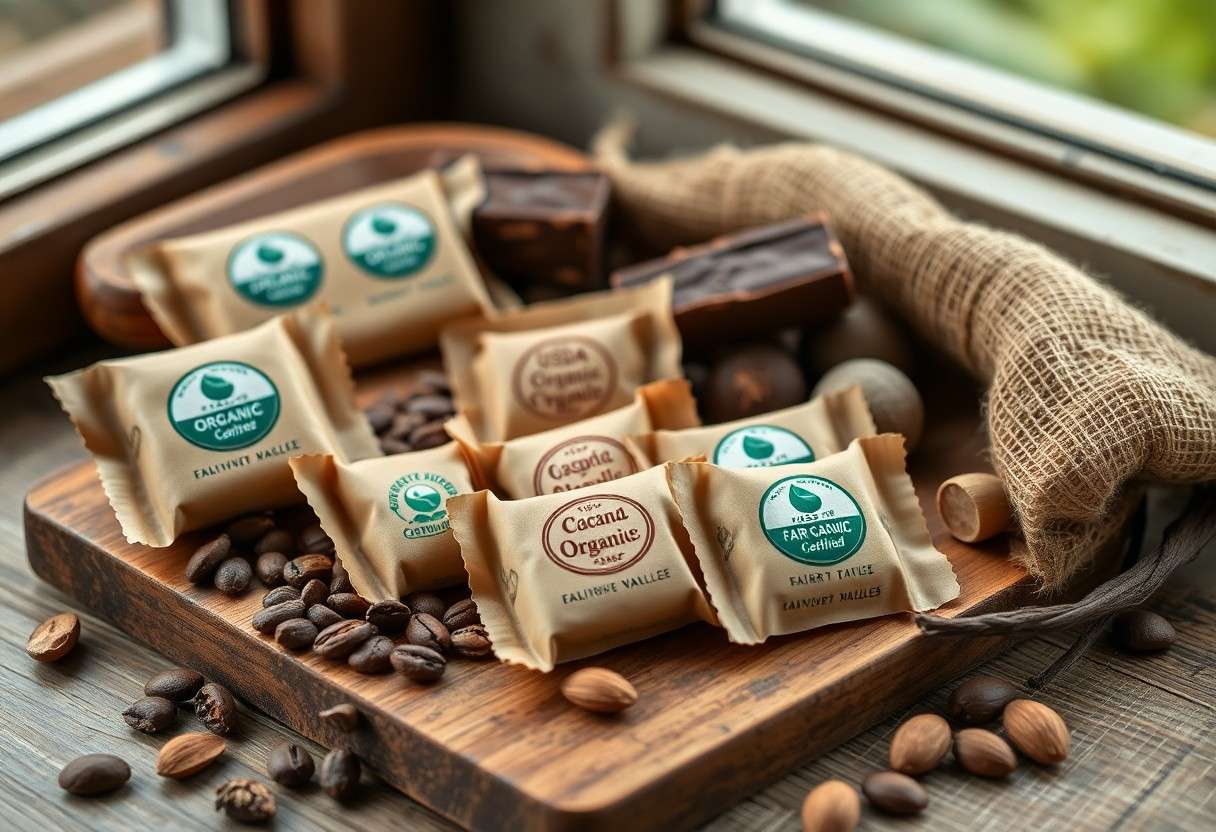
Candy choices can protect farmers and the planet when you choose certified organic and fair-trade sweets, while avoiding treats with palm oil and synthetic pesticides reduces health and environmental risks.
Understanding Organic and Fair Trade Certifications
Reading labels helps you understand how organic and fair trade overlap: organic limits synthetic inputs while fair trade targets working conditions and pricing. You can look for seals that guarantee no synthetic pesticides and fair premiums so your candy choices reduce pesticide residues and support ethical supply chains.
Organic certification addresses ingredients and processing; the standards require documented practices and separate handling to preserve integrity. You should expect clear provenance statements so your purchases align with environmental and health priorities.
Defining USDA Organic Standards for Confections
USDA rules prohibit most synthetic fertilizers, pesticides, and GMOs for certified products, and require at least 95% organic content to use the primary label. You can verify compliance by checking the USDA Organic seal on packaging.
Labels vary: you should distinguish ‘100% organic’, ‘organic‘ (95%+), and ‘made with organic ingredients’ (lower threshold). You will get the most chemical-free ingredient profile by choosing higher-grade labels.
The Socio-Economic Impact of Fair Trade Sourcing
Fair Trade standards deliver higher wages, price floors, and community premiums that fund schools and health projects, reducing exploitation risks like child labor. You will often see improved working conditions and investments in sustainable farming practices.
Communities gain market stability when you prioritize certified suppliers; producers use premiums to diversify crops and improve infrastructure. You can favor brands that publish impact data showing how price premiums translated into local benefits.
Earnings transparency matters: you should choose makers who offer predictable contracts and training programs that boost household income, support gender equity, and generally raise the quality of ingredients used in your candy.
Top-Rated Organic Gummy and Fruit Snacks
Top-rated organic gummies deliver bright fruit flavor with clean ingredients, and you should favor brands that list whole fruit or fruit juice concentrates and display USDA Organic or Fair Trade seals. You can also look for lower sugar counts and clear sourcing to support ethical growers.
Best Gelatin-Free and Vegan Options
Many gelatin-free snacks rely on pectin or agar for chewiness, so you should scan labels for pectin-based formulations if you want vegan-friendly texture. You can also choose brands that explicitly state vegan or gelatin-free to avoid animal-derived ingredients and hidden additives.
Identifying Natural Colorants vs. Synthetic Dyes
Check ingredient lists for color sources like beet juice, spirulina, turmeric, or anthocyanins, since these indicate natural colorants rather than lab-made pigments. You should be wary of named synthetic dyes such as Red 40 and Yellow 5, which many conscious buyers prefer to avoid.
Avoid products that simply list “artificial colors” or long chemical names without explanation, because that signals the presence of synthetic dyes and less transparency. You should prioritize short, recognizable ingredient lists when selecting treats for kids.
Consider that natural colorants may vary between batches and sometimes fade faster, so you should expect subtle color differences as a trade-off for cleaner ingredients and look for brands that disclose sourcing and testing practices.
Premium Fair Trade Chocolate and Cocoa Treats
Choose fair-trade-certified and organic bars when you want premium flavor plus social impact; fair trade premiums boost farmer incomes while organic standards reduce pesticide exposure.
Look for single-origin or small-batch producers that disclose bean source so you can prioritize transparent supply chains and richer, traceable flavors.
High-Antioxidant Dark Chocolate Selections
Try 70%+ cacao dark bars to maximize flavonoids; you gain antioxidant benefits and intense flavor while limiting added sugar when you choose high-cacao options.
Prefer bars with minimal ingredients and clear labeling so you can avoid hidden sugars and hydrogenated oils, and favor brands that publish tested polyphenol levels.
Ethical Sourcing and Labor Practices in Cacao Farming
Demand transparency about labor practices so you can avoid products linked to child labor or worker exploitation and support farms that pay fair wages.
Check for credible certifications and public company reporting-Fair Trade, Rainforest Alliance, or direct-trade disclosures-that verify living incomes and community investments.
Support brands with traceability systems and independent verification so you can reduce the risk of greenwashing and confirm that premiums fund schools, healthcare, or farmer training through third-party audits.
Hard Candies and Mints with Clean Ingredients
Hard candies and mints with short, transparent ingredient lists let you choose treats made from organic sugars and fair trade sweeteners. You should avoid products that list aspartame or vague “natural flavors” and prefer items labeled with no artificial colors or flavors.
Traditional Sweets Using Natural Sweeteners
Traditional sweets sweetened with maple, honey, or unrefined cane let you enjoy familiar textures while supporting ethical sourcing and organic production. You can scan labels to confirm absence of corn syrup and artificial sweeteners before you buy.
Breath Fresheners Without Artificial Flavors or Aspartame
Breath fresheners that rely on xylitol, natural mint oils, or stevia offer a sugar-free option that may lower cavity risk and keep your breath pleasant. You should be aware that xylitol is toxic to dogs and always avoid products containing aspartame.
Choose brands that display fair trade or USDA organic seals and list ingredient origins so you can prioritize transparent, single-ingredient sweeteners and natural mint oils when selecting breath mints.
The Environmental Benefits of Sustainable Candy
Sustainable sourcing reduces your carbon footprint by promoting agroforestry and cutting reliance on synthetic fertilizers, with lower greenhouse gas emissions and healthier soil that supports long-term production.
You can protect local ecosystems and support pollinators by choosing certified organic and fair trade candies that emphasize biodiversity and water conservation through crop rotation and habitat buffers.
Reducing Pesticide Runoff Through Organic Farming
Organic practices eliminate synthetic pesticides, reducing your risk of exposure while preventing toxic runoff into rivers and drinking supplies.
Choosing organic candy channels support to growers who use natural pest controls and buffer strips, which cuts the chance of aquatic dead zones and contaminated wells near farms.
The Rise of Biodegradable and Compostable Packaging
Packaging made from compostable fibers and bioplastics lowers your contribution to persistent plastic pollution and decreases microplastic risks for marine life, offering a clear reduction in landfill burden.
Look for labels indicating industrial or home compostability and certifications like ASTM or EN standards so you can confirm proper end-of-life processing rather than greenwashed claims.
Consumer Guide to Identifying Authentic Labels
Guide your shopping by checking seals and ingredient lists; you should prioritize labels that specify production methods and origins. Look for explicit certifications and avoid vague marketing language such as “made with natural flavors” – those are red flags that can mask greenwashing.
Check packaging for batch codes and company contact info; if a brand hides sourcing details, you can suspect poor practices. Keep a short list of trusted seals so you can instantly spot authentic labels while you shop.
How to Spot Greenwashing in the Candy Aisle
When you see buzzwords like “eco,” “natural,” or “sustainably sourced” without a certifying seal, treat them as marketing. Scrutinize ingredient lists and traceability claims; ambiguous phrases are the most dangerous indicators of greenwashing.
Trusted Third-Party Certifications to Look For
Seek well-known seals such as USDA Organic, Fair Trade Certified, and Rainforest Alliance, which indicate independent audits and supply-chain standards. Verify certificate numbers on certifier websites to confirm authenticity.
Always check what each seal specifically covers; USDA Organic limits synthetic pesticides while Fair Trade targets labor protections and fair pricing. Use certifier databases to verify claims before you buy.
Final Words
Upon reflecting you can choose organic, Fair Trade sweets that align with your ethics without sacrificing flavor. Look for USDA Organic and Fair Trade Certified labels, short ingredient lists, and transparent sourcing; brands that pay farmers fair prices and use sustainable farming practices often produce better chocolate and confections. Choosing these options lets you support small producers, reduce environmental harm, and enjoy high-quality treats that match your values.


