How to Find Rainforest Alliance Certified Chocolate
Chocolate lovers can enjoy their favorite treat while supporting sustainable practices by seeking out Rainforest Alliance Certified chocolate. This guide will h

This article contains Amazon affiliate links. As an Amazon Associate, CandiesAndSweets earns from qualifying purchases.
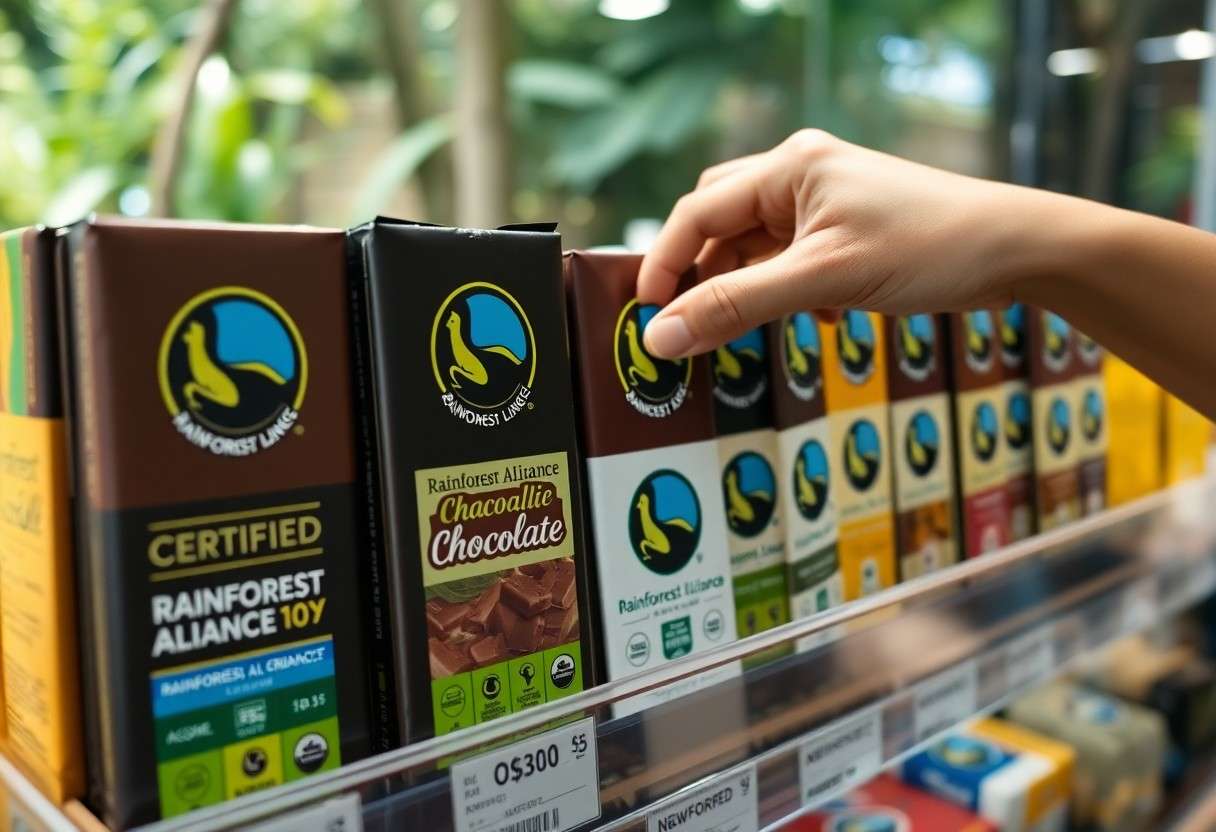
Chocolate lovers can enjoy their favorite treat while supporting sustainable practices by seeking out Rainforest Alliance Certified chocolate. This guide will help you easily locate brands and products that have met the rigorous standards for environmental protection and social responsibility. By understanding labeling, researching brands, and visiting local retailers, you can make informed choices that align with your values. Dive into the steps below to indulge in chocolate that not only satisfies your sweet tooth but also contributes positively to the planet.
Understanding Rainforest Alliance Certification
What is Rainforest Alliance Certification?
Rainforest Alliance Certification is a recognition given to products that meet rigorous environmental and social standards. It primarily focuses on sustainable farming practices that help protect ecosystems and promote the welfare of farmers and their communities. To achieve this certification, farms must demonstrate the effective management of natural resources, maintain biodiversity, and provide fair working conditions for employees. The certification process involves third-party audits to ensure compliance with specific guidelines aimed at fostering sustainability in agricultural practices.
This certification encompasses various aspects, from soil health to the protection of wildlife habitats, creating a comprehensive approach to sustainable agriculture. Rainforest Alliance standards require that farmers engage in practices like reducing pesticide use, conserving water, and protecting fragile ecosystems. This not only benefits the environment but also helps to create a more resilient agricultural sector capable of withstanding climate change and market fluctuations. By choosing Rainforest Alliance Certified chocolate, you are supporting farms that invest in sustainable practices, benefitting both the planet and the communities involved in chocolate production.
On a broader scale, gaining Rainforest Alliance Certification helps raise consumer awareness about sustainability in agriculture. As more consumers demand ethically sourced products, it becomes crucial for brands to comply with these standards. The seal serves as a trusted symbol that you can rely on to differentiate between chocolates that are produced sustainably and those that are not. Your choice has a direct impact, fostering a market where sustainable practices can flourish, and smallholder farmers are able to thrive.
Importance of Certification for Chocolate
Seeking out Rainforest Alliance Certified chocolate is much more than a personal preference; it’s a statement about supporting responsible and ethical food systems. The chocolate industry faces numerous challenges, including deforestation, child labor, and poor economic conditions for farmers. By purchasing certified chocolate, you help ensure that these issues are actively addressed. For instance, the Rainforest Alliance works to provide training and resources to farmers, equipping them with the tools needed to adopt sustainable farming techniques and improve their livelihoods. This holistic approach not only uplifts individual farmers but also contributes to the long-term sustainability of the cocoa industry.
Consumers play a vital role in influencing how chocolate is produced. When you opt for Rainforest Alliance Certified products, you signal to manufacturers the importance of ethical sourcing and environmental stewardship. This demand encourages brands to prioritize sustainability and transparency throughout their supply chains. The increased prevalence of certified chocolates in grocery stores and specialty shops indicates a shift in consumer preferences towards products that align with values of environmental conservation and social equity. Your purchasing power can thus contribute to a transformative movement within the chocolate industry.
Moreover, the certification assures you of the quality of the chocolate you are consuming. Rainforest Alliance Certified chocolates often emphasize better farming practices, which can lead to superior flavor profiles and overall quality. By selecting these products, not only are you making a responsible choice for the environment and supporting farmers, but you are also indulging in chocolates that have been produced with a focus on quality and care.
How to Identify Certified Chocolate
Recognizing the Rainforest Alliance Seal
When shopping for chocolate, one of the most effective ways to identify products that have been certified by the Rainforest Alliance is through their distinctive seal. This green frog emblem signifies that a product has met rigorous standards for sustainability and environmental protection during its production process. The Rainforest Alliance seal is not just a logo; it represents a commitment to biodiversity, soil health, and responsible farming practices. To ensure you are purchasing chocolate that is genuinely certified, check for the seal on the packaging, as it can often be found on the front or back. Many consumers feel more empowered when selecting products that contribute positively to the environment.
In addition to the seal itself, it is wise to familiarize yourself with the characteristics of certified chocolate. Look for information on the chocolate’s ingredient sourcing, which should ideally include a blend of organic and fair-trade certified ingredients alongside the Rainforest Alliance certification. Transparency is often a sign of a reliable brand that takes sustainability seriously. Furthermore, many brands produce detailed product descriptions or packaging that highlight their farming relationships, the methods used, and the benefits afforded to local farmers and communities. You might also enjoy our guide on Top 10 Sustainable Candy Brands Leading the Industry.
Lastly, take the time to research chocolate brands known for their commitment to sustainability. Brands that actively promote their involvement with the Rainforest Alliance often share stories about their partnerships with cocoa farmers and sustainability initiatives. Look for statements on their websites or product materials that address environmental impact, social equity, and agricultural practices. By becoming more informed about the brands you support, you can make choices that align with your values while enjoying high-quality chocolate.
Researching Brands and Products
To deepen your knowledge of which chocolate products to choose, researching brands and their certifications is invaluable. Start by visiting the official Rainforest Alliance website, where you can find a list of certified brands and products. This resource not only verifies the authenticity of a brand’s claims but also highlights companies that have significant commitments to sustainable practices. Connecting with the brands directly can also yield insights into their sourcing practices, transparency, and community initiatives that enhance the credibility of their certifications.
Additionally, many brands with Rainforest Alliance certification participate in storytelling efforts through social media and blogs, illustrating their environmental and social stewardship. This content often shares successes and challenges faced in the sustainability journey, giving you a clearer picture of their operations. Utilizing customer reviews and product ratings can further guide your selection, as these insights can often illuminate the purchasing experiences of others who value sustainability.
Researching the specific chocolate varieties you’re interested in adds another layer of understanding. Examine the sourcing methods, quality of ingredients, and any fair-trade certifications these chocolates may hold. Engaging in this comprehensive research equips you with the knowledge to make informed decisions while supporting brands that align with ecological preservation and community development.
Tips for Ethical Chocolate Purchasing
When considering choosing chocolate, you can make a significant impact by being selective about where and how you purchase. One effective strategy is to familiarize yourself with brands committed to ethical sourcing and sustainability. Research companies that prioritize social responsibility, transparency in their supply chains, and fair trade practices. By doing so, you will not only enjoy premium chocolate but also contribute positively to growing efforts aimed at protecting the environment and supporting local farmers. Look for certifications such as Fair Trade, Rainforest Alliance, and Organic, which indicate adherence to ethical and sustainable practices.
- Research brands with ethical certifications.
- Support local chocolate makers with sustainable practices.
- Prioritize products with minimal environmental impact.
- Check for third-party audits and transparency reports.
- Engage with brands on social media for insights into their practices.
Supporting responsible manufacturers goes beyond merely choosing items off the shelf. Seek out chocolate companies that actively engage in community-building and sustainable practices. Many brands have initiatives to ensure farmers receive fair wages and better working conditions, which contributes to a more stable economy for cocoa-growing regions. For example, companies like Divine Chocolate, which is co-owned by cocoa farmers, allow you to invest directly in the well-being of farming communities. When you support these manufacturers, you’re not just buying chocolate; you’re part of a larger movement that seeks to empower those who produce the cocoa.
Additionally, lifecycle analyses conducted by organizations like the Sustainable Food Trust highlight how some chocolate brands mitigate their environmental footprint. These studies showcase efforts to reduce greenhouse gas emissions, land use, and water utilization, emphasizing the importance of choosing manufacturers who are committed to continuous improvement in their practices. You can make a difference by choosing chocolates that implement sustainable farming techniques-such as agroforestry-encouraging biodiversity, soil health, and forest conservation.
Ultimately, your purchasing choices have far-reaching implications. By supporting responsible manufacturers, you help ensure the long-term health of our planet’s ecosystems and communities. Your decision to buy ethical chocolate reflects a commitment to a fairer and more sustainable global market.
Checking Product Labels and Ingredients
Evaluating product labels is crucial for ensuring that the chocolate you choose aligns with your values. T scrutinize ingredient lists carefully, paying special attention to where the cocoa is sourced and whether any ethical certifications are showcased prominently. Many companies that are committed to responsible sourcing will proudly display their certifications on the packaging, which serves as a quick reference for your choice. Look beyond just the typical ingredients as well; understanding the entire supply chain can reveal valuable insights into the practices of the company. You might also enjoy our guide on How Edible Wrappers Are Reducing Candy Waste.
Be vigilant about the presence of palm oil or other additives that may not align with sustainable practices. Companies with a commitment to ethical sourcing often replace these ingredients with more sustainable alternatives, reflecting a broader dedication to environmental stewardship. A growing number of chocolate products are now being made without additives that contribute to deforestation and habitat loss, which is a key aspect of making a responsible purchasing decision. By prioritizing chocolates made with high-quality ingredients, you are safeguarding not only your health but the health of the planet as well.
Any chocolate label should ideally provide information about fair wages for farmers, ecological practices, and social initiatives that support local communities. Informed consumers play a pivotal role in driving changes in how chocolate is produced and marketed, empowering brands to maintain sustainable practices through their purchasing power.
Factors to Consider When Choosing Chocolate
When opting for chocolate, it’s imperative to look beyond the surface and consider several key factors that define its quality and sustainability. One of the vital aspects to explore is the sourcing of the cacao. Investigate whether the cacao is sourced from sustainable farms that prioritize environmental health and social equity. The certification label, such as Rainforest Alliance, not only indicates that the chocolate supports biodiversity but also ensures that your purchase contributes to the livelihoods of farmers. Additionally, consider the regional origin of the cacao, as different areas produce distinctive flavor profiles and exhibit varying impacts on local ecosystems.
- Look for Rainforest Alliance certification or equivalent standards.
- Investigate the origins of the cacao.
- Consider the brand’s commitment to ethical labor practices.
- Assess the production methods and their impact on the environment.
- Prioritize companies with transparency in their sourcing practices.
Sourcing practices and sustainability represent a significant component of your chocolate choice. Not all brands disclose their supply chain, making it necessary for you to research companies that provide information about their cacao growers and production processes. Sustainable sourcing means not only that the cacao is grown in an environmentally friendly manner but also that biodiversity is preserved, and ecosystems are protected. Transparency about these practices often reflects a company’s commitment to ethical standards and responsible consumerism.
Sourcing Practices and Sustainability
Focusing on sourcing practices allows you to make informed decisions about the chocolate you purchase. Investigate brands that support agroforestry or shade-grown cacao, as these methods foster a habitat for wildlife and reduce reliance on chemical fertilizers and pesticides. Companies that invest in environmental sustainability often work closely with local farmers to improve their agricultural techniques, which can lead to higher yields while protecting precious ecosystems. For instance, some brands partner with conservation organizations to ensure their cocoa farming does not encroach on protected areas, ultimately benefiting both the environment and the local economy.
Moreover, consider the certifications the chocolate products carry. Certifications such as Rainforest Alliance and Fair Trade are indicators of a brand’s sustainability practices and commitment to promoting welfare among farmers. Brands that earn these certifications undergo rigorous audits and must adhere to strict guidelines around environmental protection, fair labor practices, and community engagement. Ultimately, these certifications offer you peace of mind in knowing that your chocolate not only tastes good but does good as well.
Fair Trade and Direct Trade Considerations
As you investigate into ethical chocolate, Fair Trade and Direct Trade practices become paramount factors to consider. Fair Trade certification guarantees that farmers receive fair payment for their product, enabling them to lead more sustainable and secure lives. This approach helps combat issues such as poverty and ensures that farmers can invest in better farming techniques, education, and health care for their families. On the other hand, Direct Trade goes a step further by fostering a direct relationship between chocolate makers and cacao farmers, allowing for even greater transparency and ensuring that farmers are adequately compensated for their efforts.
Direct Trade often lacks the formal certification structure of Fair Trade, yet many consumers appreciate its emphasis on building strong relationships over the transactional nature of traditional sourcing. Chocolate brands engaged in Direct Trade often visit the farms, establish contracts directly with the farmers, and are invested in their welfare and the quality of the cacao produced. You may discover that these relationships enhance the flavor and quality of the chocolate, resulting in products that stand out in both taste and ethical production.
Any chocolate you choose should reflect not only your taste preferences but also your values regarding sustainability and ethical production practices. By prioritizing brands committed to Fair Trade or Direct Trade, you support a more equitable chocolate industry, helping to empower farmers while indulging in delicious, responsibly made chocolate. You might also enjoy our guide on Top B-Corp Certified Confectionery Companies.
Where to Buy Rainforest Alliance Certified Chocolate
Local Stores and Online Retailers
Your local grocery store often carries a variety of Rainforest Alliance certified chocolates. Major chains like Whole Foods, Kroger, and Target frequently stock brands such as Green & Black’s, Lindt, and Ghirardelli, which all display the Rainforest Alliance seal. This makes it easy to find delicious options while doing your regular shopping. Additionally, consider checking the health food sections of supermarkets for organic lines that are more likely to feature certified products. By simply scanning the ingredient labels or asking store employees, you can quickly locate certified selections.
If you prefer the convenience of shopping online, numerous retailers specialize in ethical and sustainable products. Websites like iHerb, Thrive Market, and even Amazon offer a range of Rainforest Alliance certified chocolates. Online marketplaces often provide extensive customer reviews, allowing you to compare tastes and prices before making a purchase. There’s also the advantage of accessing specialty brands that may not be available locally, giving you a broader spectrum of flavors and chocolates made from premium, ethically sourced ingredients.
Specialty Shops and Ethical Marketplaces
Exploring specialty shops dedicated to ethical consumerism can yield some of the best options for Rainforest Alliance certified chocolate. These establishments often prioritize sustainability, carrying only brands that meet strict ethical standards. By visiting your local fair trade shop or a dedicated chocolate boutique, you expose yourself to a curated selection of certified chocolates. These shops frequently emphasize small-scale producers and offer unique varieties not found in larger chain stores, enhancing your chocolate experience while supporting underrepresented artisans.
In addition to physical specialty shops, numerous ethical marketplaces have emerged online, focusing exclusively on eco-friendly and certified products. Platforms like Ethical Superstore and EarthHero offer a diverse collection of chocolates, often featuring detailed product origins and nutritional information. This transparency not only helps you make informed choices but also supports smaller brands that adhere to sustainable practices. Often, these ethical marketplaces are committed to lower environmental footprints, making them a perfect destination for purchasing your chocolate.
Enjoying Rainforest Alliance Certified Chocolate
Pairing and Recipe Ideas
Exploring the myriad of pairing options with Rainforest Alliance Certified chocolate can elevate your chocolate experience to new heights. Consider dark chocolate with a rich cocoa percentage, which beautifully complements a variety of foods. Try pairing it with creamy cheeses like Brie or tangy blue cheese; the contrast of flavors creates a deliciously complex tasting experience. Alternatively, enhance a chocolate bar’s notes by consuming it alongside fresh fruits such as strawberries, orange slices, or even figs, allowing the fruity acidity to cut through the chocolate’s sweetness and richness.
If you’re feeling adventurous in the kitchen, incorporate Rainforest Alliance Certified chocolate into your baking. Chocolate chip cookies are a classic staple and can easily be upgraded by using certified chocolate chips; the melty quality speaks volumes of the ethical sourcing behind them. For a more indulgent choice, brownies made with a hint of espresso can elevate your palate-a perfect use for high-quality chocolate. The richness from the chocolate combined with the coffee enhances the overall depth of flavor, making it an irresistible treat.
Incorporate chocolate into both savory and sweet dishes for a unique culinary twist. Try adding cocoa powder to your chili or savory sauces-a technique often used in traditional Mexican cuisine. This adds a rich undertone, balancing spices and creating a rounded flavor profile. For dessert, explore chocolate mousse or ganache, which can serve as a luscious topping for cakes or as a stand-alone dessert. These versatile applications highlight the chocolate’s quality while promoting sustainable consumption practices.
Sharing with Family and Friends
Sharing Rainforest Alliance Certified chocolate is not just about enjoying a delightful treat; it’s an opportunity to connect with loved ones over a shared value of ethical consumption. Consider hosting a chocolate-tasting party where each guest brings their favorite certified chocolate bar. This interactive experience allows everyone to explore different flavor profiles while discussing the benefits of sustainably sourced chocolate. A curated selection can include various styles, from dark to milk chocolate, creating a fun and educational atmosphere.
Gifting certified chocolate can also be a meaningful way to express care for friends and family. By choosing chocolates with the Rainforest Alliance seal, you convey a message that you value not only quality and taste but also the environmental and social impacts of your purchase. Consider creating personalized gift boxes filled with assorted certified chocolates, enhancing the experience with homemade chocolate-themed recipes or pairing suggestions for the recipient to enjoy later.
Engage your family in a discussion about the impact of their chocolate choices. Encourage conversations around ethical sourcing and the benefits of supporting companies committed to sustainable practices. This collective effort fosters a shared understanding and appreciation for the delicious delights, making each bite of Rainforest Alliance Certified chocolate not just pleasurable but also socially responsible.
Conclusion
Ultimately, you need to be proactive in your search for Rainforest Alliance Certified chocolate to ensure your choices align with sustainable practices. Start by familiarizing yourself with the certification label and understanding the criteria that brands must meet to achieve this certification. This knowledge empowers you to make informed decisions, knowing that the chocolate you select not only tastes good but also supports environmental sustainability and social equity. You can also consult the Rainforest Alliance’s official website for a comprehensive list of brands and products that have been certified, making it easier to identify your options among the myriad of chocolate products available.
Your shopping habits greatly influence the market for ethically sourced products. By choosing Rainforest Alliance Certified chocolate, you’re voting with your dollar for sustainable agriculture and supporting farmers who prioritize ecological health and fair labor practices. In your local stores, look for shelves that display products bearing the Rainforest Alliance seal, as these are a promising signal of ethical sourcing. Don’t hesitate to ask store staff for assistance if you’re struggling to find these products, as knowledgeable employees can often point you in the right direction and suggest brands that prioritize sustainability.
Additionally, consider exploring online retailers, where you might find a wider variety of certified chocolates at your fingertips. Many specialty shops, including organic and fair-trade online platforms, often stock Rainforest Alliance Certified options. Be sure to read product descriptions carefully to confirm certification before making a purchase. By integrating these practices into your shopping routine, you actively contribute to supporting sustainable cocoa farming, ensuring that your chocolate indulgence is aligned with your values for a more sustainable future.