How to Choose Ethically Sourced Confectionery
Overwhelmed by candy choices, you pick sweets that taste great and do good-check Fair Trade labels, avoid child labor, and prioritize transparent sourcing. How

This article contains Amazon affiliate links. As an Amazon Associate, CandiesAndSweets earns from qualifying purchases.
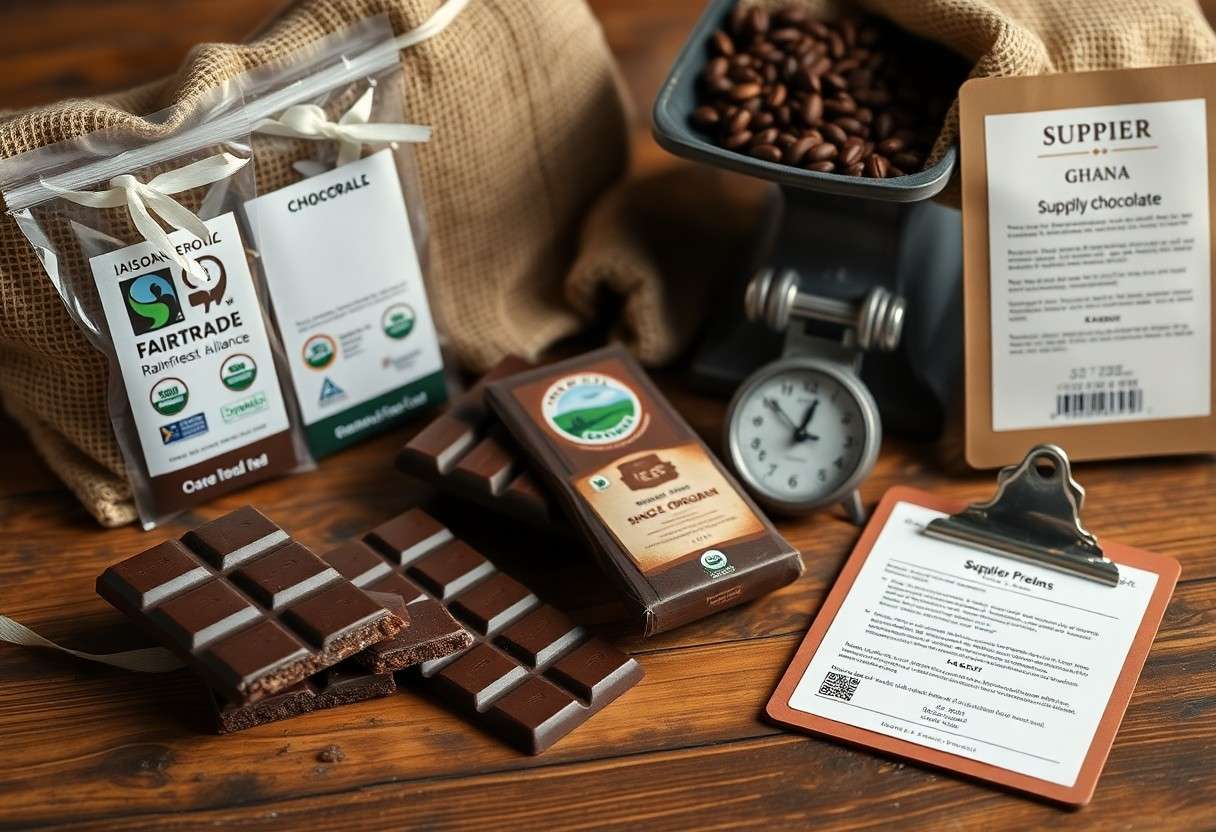
Overwhelmed by candy choices, you pick sweets that taste great and do good-check Fair Trade labels, avoid child labor, and prioritize transparent sourcing.
How to Decode Labels Without a Secret Ring
Pick your wrapper like a tiny case file: scan ingredients, origin statements and those little seals. If a claim says “responsibly sourced” without a logo, treat it as smoke-look for verifiable certification instead. You can sniff out greenwash by checking full producer names and traceability details.
You should also compare cocoa percentages and origin towns; higher cocoa rarely equals fair pay but can hint at single-origin sourcing. If a bar links to farmer stories and audit reports, that’s a good sign-real transparency beats marketing fluff.
Spotting the Fairtrade stamp of approval
Look for the blue-and-green Fairtrade mark: it signals a minimum price and farmers’ premium paid into community projects. You can expect supply-chain standards aimed at improving incomes and local development when that logo appears.
Check whether the pack names Fairtrade International, Fairtrade USA, or a cooperative partner, since rules vary by program. If you see paperwork or QR links to producer cooperatives, that raises confidence.
Navigating the Rainforest Alliance jungle
Spot the green frog seal to identify farms audited for environmental and social criteria; the focus leans more toward ecosystem protection and sustainable agriculture than fixed price guarantees. You should note mixed-sourcing labels can dilute impact.
Know that Rainforest Alliance certification relies on third-party audits and landscape-level standards, with increasing traceability tools. You can combine this seal with other certifications for a fuller picture of ethical impact.
Key Factors in the Bitter Truth of Cacao
Cacao often arrives with glossy ethics copy, but you should probe labels for traceability, supplier names, and third-party audits so you avoid buying a conscience-cleansing wrapper.
Look beyond tasting notes when you shop: compare prices, check whether ethically sourced claims link to verifiable programs, and watch for brands that pay below a living wage despite premium tags.
- traceability: lot numbers, QR codes, farm names
- child labor: independent audits, NGO reports
- ethically sourced: transparent pricing, farmer premiums
Tracing the bean back to the farm
Traceability gives you receipts: you should scan batch codes or QR tags, read supplier reports, and favor brands that publish farm-level data instead of vague origin stories.
Avoiding the child labor aftertaste
Spot brands that fund community schools, publish audit results, or partner with trusted certifiers; if you find no proof, that’s a dangerous signal about child labor.
Any time you see vague sourcing claims you should demand farm names, support companies paying living wages, and consult NGO databases before you let your sweet tooth decide. You might also enjoy our guide on Dried Fruit Chocolates: The Sweet Spot of Health and Indulgence.
Essential Tips for the Palm Oil Sticky Situation
- palm oil
- RSPO
- deforestation-free
- traceability
You can shrink your palm-oil guilt by choosing snacks with clear traceability and labels that actively avoid deforestation, not just clever wording.
Look for short ingredient lists and honest sourcing claims; palm oil sneaks into many treats. Any opaque label deserves a sceptical snort.
Seeking the RSPO gold standard
Seek RSPO-certified logos and favour segregated or identity-preserved chains over vague mass-balance claims, since real traceability means you get safer choices.
Choosing brands that give forests a break
Prefer brands that fund conservation, protect wildlife corridors, and refuse suppliers tied to forest loss; your purchase becomes a tiny rebellion against clearing.
Try scanning websites for peatland protection and firm community-rights policies-those commitments hint at genuine environmental and social care.
Check for independent audits, NGO partnerships, and smallholder support; these signals show the brand truly gives forests a break. You might also enjoy our guide on Best Ethical Chocolate Brands Worldwide Today.
How to Interrogate Your Favorite Chocolatier
You can press your favorite chocolatier with pointed questions about sourcing, farmer pay, and batch traceability to cut through marketing; ask for traceable sourcing, named growers, and concrete evidence of fair payment rather than sentimental photos.
Scouting the “About Us” for real transparency
Ask the “About Us” page for specifics like partner farm names, pricing policies, and regular impact reports, since storytelling without names often equals low transparency while published farmer lists and price commitments are a positive signal.
Spotting red flags that scream “Greenwashing”
Check for broad claims with no verifiable proof, badges without certifier links, or copy that leans on feel-good imagery-those are classic red flags that companies prefer optics over outcomes.
Watch for overused terms like “eco-friendly” or “sustainable” alone, vague percentages without baselines, or huge price premiums with no supply-chain details; such buzzword bingo often masks greenwashing.
Look up cited certifiers, request batch traceability or farmer names, and compare their claims to independent reports-those simple checks expose whether their ethics are performative or proven.
Pro Tips for the Conscience-Driven Cookie Monster
Grab your cookie radar: you scan ingredient lists for ethically sourced cocoa, favor makers that publish origins, and treat buying treats like bite-size activism with a wink.
- small-batch makers often list farm origins and tasting notes
- Direct Trade brands name farms and prices paid
- Watch for glossy logos-ask for transparency, not marketing
Prioritizing small-batch over big-box
Choose small-batch confectionery when possible: you get clearer sourcing, fresher flavors, and lower odds of hidden risks like child labor in the supply chain, plus you support maker stories you can trust.
Using the “Direct Trade” shortcut to ethics
Seek labels that call out Direct Trade details so you can confirm farmers receive fair pay and quality premiums instead of relying on vague certifications alone.
This method lets you reward brands that publish purchase prices, name partner farms, and prove investments in better wages and sustainable practices, making your snack choices actually matter.
Sustainability Factors Beyond the Wrapper
Look at supply chains as part of your sweet habit: you want ethical sourcing, clear traceability, and a low carbon footprint from farm to mouth so you don’t fund deforestation by accident.
- fair trade
- carbon footprint
- traceability
Think about ingredient origins and worker welfare when you scan labels; a pretty wrapper won’t hide abusive practices, so let fair trade and origin stamps guide your cart.
Opting for plastic-free sugar fixes
Choosing plastic-free snacks means you seek plastic-free films, paper wraps, or compostable coatings that avoid microplastic leach and keep oceans safer for everyone.
Why compostable packaging is the cherry on top
Packaging that breaks down can slash landfill time and look great on your shelf, but you must check if it’s truly compostable or just a marketing trick.
Thou should check whether local industrial composting is available and avoid mixing contamination streams, or the compostable claim becomes a landfill ticket.
Final Words
Upon reflecting, you look for third-party certifications, short ingredient lists, and transparent origin stories; ethical brands often shout less and show more. You choose confections that taste great and send a tip to farmers’ pockets, proving that pleasure and principles can share the same wrapper. You might also enjoy our guide on How can I make environmentally-friendly chocolate candies?.