How Refillable Candy Containers Cut Packaging Waste at Home
There's a simple swap you can make: refillable candy containers replace single-use wrappers, helping you cut household packaging waste, curb plastic pollution t

This article contains Amazon affiliate links. As an Amazon Associate, CandiesAndSweets earns from qualifying purchases.
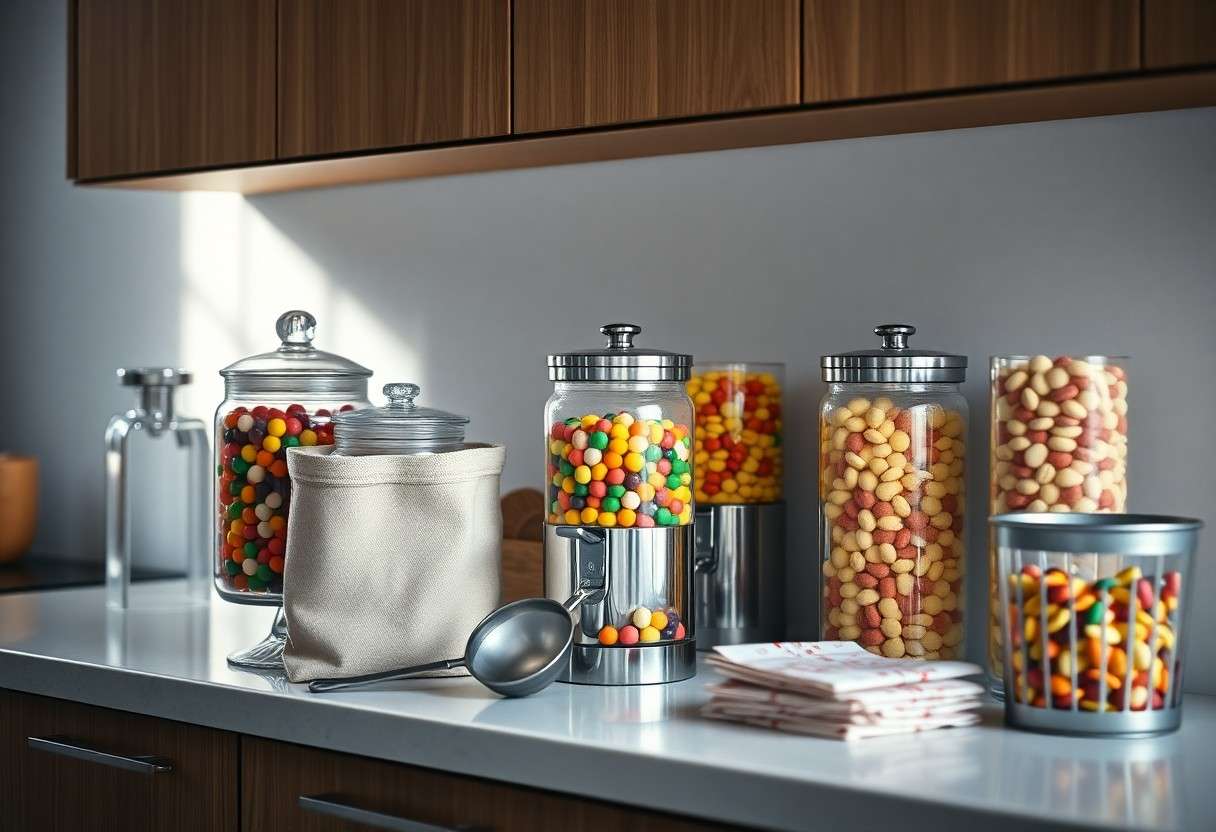
There’s a simple swap you can make: refillable candy containers replace single-use wrappers, helping you cut household packaging waste, curb plastic pollution that harms wildlife, and keep treats fresh for longer.
The Environmental Toll of Traditional Candy Packaging
Packaging for single-use candy builds up in your home, with mixed-material wrappers that rarely get recycled and contribute to overflowing bins and landfill methane.
Accumulation of Non-Recyclable Plastic Films
Plastic films from individual candies pile in drawers and trash, leaving you with irrecoverable waste that fragments into microplastics and infiltrates household dust and waterways.
Carbon Footprint of Single-Use Manufacturing
Manufacturing single-use wrappers consumes energy at multiple stages, so you incur a hidden share of carbon emissions every time you purchase prepackaged treats.
Transportation and repeated production cycles amplify that footprint, meaning you can reduce overall lifecycle emissions by switching to refillable containers that cut demand for disposable packaging.
Mechanics of the Refillable Household Model
You organize a refill routine: transfer bulk sweets into labeled, portion-sized jars for daily use, rotating stock so older candy is consumed first. This process helps you reduce packaging waste and save money, while strict cleaning prevents cross-contamination between flavors.
Systems that separate bulk storage from serving containers let you keep long-term stock sealed and only expose small amounts when refilling, reducing pest entry and spoilage. You monitor airtight lids and use scoops to avoid hand contact, which keeps hygiene high.
Transitioning from Individual Units to Bulk Sourcing
Adopting bulk sourcing means you buy larger, package-free quantities and refill at home, cutting the number of discarded wrappers you handle weekly. You compare unit prices, bring reusable bags or jars, and track consumption rates to optimize purchases and reduce single-use packaging.
Shifting from individual packs requires testing portion sizes at home and checking expiry dates on bulk items so you don’t overbuy. You clean containers between fills and label with dates to prevent accidental storage of stale or contaminated goods.
Selecting Durable Materials for Permanent Storage
Choosing materials like tempered glass or food-grade stainless steel gives you non-reactive, long-lasting containers that won’t absorb odors; prefer BPA-free plastics only when impact resistance is needed. You prioritize non-porous surfaces to minimize bacterial growth.
Durability depends on lid construction, seal quality, and resistance to drops; you inspect gaskets and choose designs with replaceable seals for longevity, with airtight closures reducing moisture risks.
Maintenance includes regular washing, drying thoroughly before refilling, and discarding containers with cracks that harbor mold; you rotate labels and replace seals periodically to keep storage safe.
Economic Advantages of Bulk Purchasing
Bulk purchases let you fill refillable candy containers and cut the number of single-use wrappers you discard, delivering lower cost-per-ounce and a steady reduction in household packaging waste.
Buying larger quantities also lets you spread the upfront cost of reusable containers across many refills, so you capture ongoing savings while minimizing frequent small-pack purchases that add waste.
Analyzing Cost-per-Ounce Savings
You can compare unit prices to find that bulk candy often yields 10-30% savings per ounce, and refilling reusable tins multiplies that advantage by eliminating recurring packaging costs.
Reducing Indirect Waste Disposal Expenses
Waste volume drops when you refill, which reduces hauling frequency and can lower your household’s disposal costs, especially if you pay per-bag or face volume-based fees.
Municipal programs sometimes charge for excess or contaminated trash; by keeping single-use candy wrappers out of mixed waste you reduce the chance of incurring extra fees or penalties.
By tracking how many bags you skip each month, you can quantify savings: fewer pickups mean lower collection fees and fewer trips to the landfill, while you cut the environmental and budgetary costs tied to disposable packaging.
Preserving Product Integrity and Freshness
Storage in refillable containers keeps your candies protected from air and humidity so you can maintain flavor and texture while cutting single-use packaging waste.
Benefits of Airtight Glass and Metal Seals
Glass and metal seals create an airtight barrier that stops moisture and pests, helping you extend shelf life and avoid spoiled treats.
Proper Sanitization Protocols for Reusable Vessels
Sanitize jars between refills by washing in hot, soapy water and checking for chips or residue so you prevent cross-contamination and mold growth.
Rinse thoroughly and, if dishwasher-safe, run on a high-temperature cycle to ensure you eliminate lingering oils and sugars that attract pests.
Air-dry containers upside down on a clean rack and store lids separately until fully dry so you avoid trapped moisture that can accelerate spoilage.
Organizing a Zero-Waste Candy Station
Setting up a dedicated station helps you keep treats accessible and cuts single-use packaging by refilling jars from bulk. You should group candies by type, keep airtight containers to prevent staleness, and designate a small scooping area to avoid spills. Store small pieces out of children’s reach to reduce choking hazards and keep labels for rotation so older stock is used first.
Space Optimization and Inventory Management
Bins and stackable jars let you maximize shelf space while keeping a clear view of quantities so you can refill before items run out. You should track volumes with simple labels or a checklist and set a weekly refill routine to avoid overbuying. Visible inventory prevents forgotten containers and reduces unnecessary packaging purchases.
Aesthetic Improvements to Domestic Food Storage
Glass dispensers and matching containers give you a tidy display that encourages reuse and makes refills feel intentional. You should choose styles that blend with your kitchen so the candy station becomes part of your décor rather than an eyesore, and use consistent lids and scoops for a polished look.
Labeling containers with clear tags and color-coded scoops helps you maintain order and prevents cross-contamination between flavors; you should wash dispensers regularly to avoid sticky buildup. A clean, attractive setup increases the chance you and guests will refill rather than reach for new packaged treats.
Overcoming Sourcing and Logistics Barriers
Sourcing refillable candy containers often means balancing cost with quality; you should prioritize food-grade materials and check vendor certifications before ordering large quantities to avoid problems later. Small trials let you confirm sizes and cleaning needs so you can prevent contamination risk at home.
Planning storage and rotation reduces waste from expired contents; you can label refill dates and set simple restock rules to prevent spoilage. Keep an eye on shipping fees and minimum order quantities so you don’t end up with excess inventory that defeats your waste goals.
Identifying Local Zero-Waste Retailers
Search community marketplaces, co-ops, and neighborhood groups to locate shops that accept your own containers; you should ask about their sourcing and hygiene practices before committing. Favor stores that advertise clear cleaning protocols to minimize cross-contamination.
Bring a clean, empty container to test-fill and measure actual use so you choose sizes that cut single-use packaging and save space. Support retailers that offer refill credits or discounts to amplify the positive impact of each visit. You might also enjoy our guide on Eco-Friendly Packaging Solutions for the Candy Industry.
Navigating Bulk Online Wholesale Options
Compare suppliers on unit price, shipping, and return policies and order samples first to confirm food-safety and durability for candy use. Account for customs, duties, and consolidation fees so the final cost still delivers packaging waste savings.
Negotiate minimums or partner with other local buyers to split cases and lower upfront cost; you can also arrange inspections for large imports to reduce the chance of receiving unusable stock and contamination risk.
Consider subscription ordering or staggered shipments to smooth cash flow and reduce home storage needs, and document supplier lead times so you can plan refills around peak demand without emergency buys that increase packaging waste. You might also enjoy our guide on Eco-Friendly Candy Packaging Innovations Explained.
Final Words
You reduce household packaging waste by using refillable candy containers; refilling cuts single-use wrappers, encourages bulk purchases, and lowers trash volume. Reusable containers let you control portions, preserve freshness with airtight lids, and simplify storage so your household sends less plastic and paper to disposal. You might also enjoy our guide on How Recyclable Packaging Design Wins Over Eco Conscious Buyers.