The Science Behind Candy Texture Preferences
Texture plays a pivotal role in your candy experience, influencing not only your enjoyment but also your cravings. Understanding the science behind why you pref

This article contains Amazon affiliate links. As an Amazon Associate, CandiesAndSweets earns from qualifying purchases.
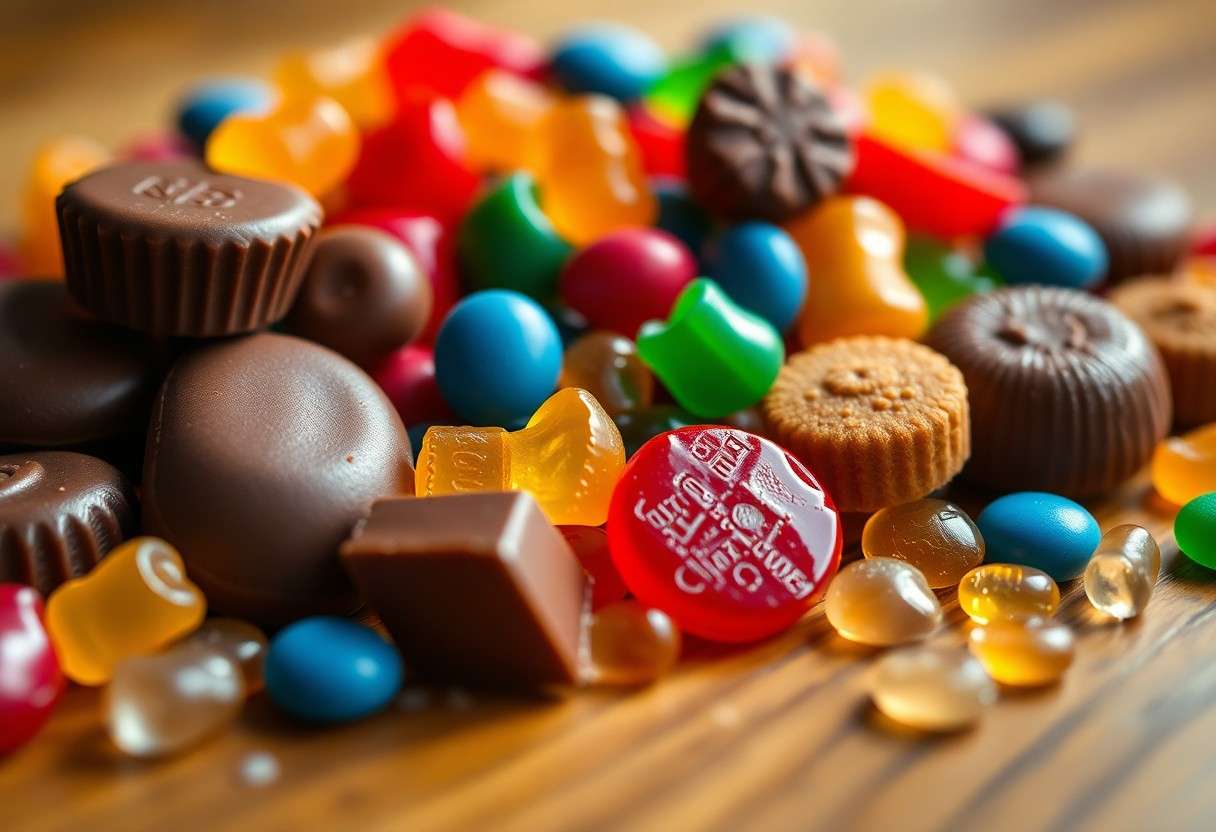
Texture plays a pivotal role in your candy experience, influencing not only your enjoyment but also your cravings. Understanding the science behind why you prefer certain textures can enhance your candy choices and deepen your appreciation for confectionery craftsmanship. From the satisfying crunch of a crispy coating to the velvety smoothness of fudge, various textures engage your senses in distinct ways. In this post, we’ll explore how your brain processes these textures and why they matter to your overall satisfaction with candy.
The Biochemistry of Sugar and Texture
How Sugar Composition Affects Mouthfeel
The composition of sugar plays a significant role in how you perceive texture in candy. Different types of sugar not only impact sweetness levels but also affect the viscosity and crystalline structure of confections. For instance, sucrose, the most common sugar, forms a more stable structure when crystallized, leading to products with a firmer bite. In contrast, sugars like glucose or high fructose corn syrup create smoother textures due to their lower tendency to crystallize, which can be noticeable in chewy candies. This is why a chewy caramel, which uses glucose syrup, might feel vastly different in your mouth compared to a crunchy meringue that relies on fully crystallized sucrose.
Your preferences are also influenced by how these sugars interact with moisture in your mouth. Monosaccharides, such as glucose and fructose, attract and hold moisture more effectively, resulting in a sticky mouthfeel that many find delightful in chewy candies. The balance between different sugars can create a range of textures, from the seemingly airy quality of cotton candy to the dense richness of fudge. Understanding these biochemical properties allows candy makers to craft products that align with varying consumer preferences for texture.
The Role of Fat and Dairy in Texture Sensation
Fat and dairy components introduce a creamy, smooth texture that can significantly enhance your overall candy experience. Ingredients like cocoa butter or butter create a velvety mouthfeel, enriching products such as chocolate or caramel. The melting point of fats contributes to the sensation you perceive when enjoying candy; for example, chocolate made with cocoa butter liquefies just below body temperature, providing a luxurious melting experience that many find irresistible. You can feel the difference between a high-fat chocolate truffle and a lower-fat candy bar, as the former coats your mouth more fully, leaving a lingering richness that is satisfying.
Incorporating dairy also amplifies the textural sensation you experience with candies. The proteins and emulsifiers present in dairy help stabilize emulsions, allowing for a consistent and enjoyable texture. High-quality fudge, which includes cream, achieves a soft, rich mouthfeel as it melts on your tongue, while also contributing to a creamy aftertaste. This multifaceted interaction between fat, dairy, and sugar illustrates the complex symphony of flavors and sensations that define your favorite confections, making texture an important component of candy enjoyment.
The Influence of Temperature and Humidity
The interplay between temperature and humidity significantly affects candy texture preferences, creating an intricate relationship that can alter the way you perceive sweetness, chewiness, and overall enjoyment. Understanding these factors offers you insights into selecting the perfect treat, whether it’s a chocolate, gummy, or hard candy. When hosted in environments with varying temperatures and humidity levels, candies experience changes that can modify their texture and affect your eating experience. Being mindful of these conditions helps you appreciate why certain candies hit differently at different times and places.
Temperature’s Impact on Candy Consistency
| High Temperature | Softens chocolates and taffies, leading them to lose their structural firmness; sugary treats may become sticky. |
| Low Temperature | Hardens candies, enhancing the crunch factor; flavors become muted, making the candy less sweet. |
Higher temperatures cause sugar to melt, influencing your candy’s texture significantly. For instance, chocolate may turn gooey, while taffy can become overly pliable. On the contrary, lower temperatures solidify candies, providing that satisfying crunch you might crave in a hard candy. This shift not only affects mouthfeel but can also alter the overall flavor perception. Cold temperatures tend to dampen the intensity of sweetness, which may lead you to underestimate how sweet a candy actually is when it’s chilled.
Humidity’s Role in Candy Texture Preferences
| High Humidity | Contributes to the stickiness of candies, causing them to clump together and affecting their chewiness and mouthfeel. |
| Low Humidity | Helps maintain the structural integrity of crunchy and chewy candies, preserving desired textures. |
Humidity plays a pivotal role in how you experience textures in candies. High levels of moisture in the air allow sugar-containing candies to absorb water, making them sticky and unpleasant to eat. This phenomenon is particularly evident in gummies and marshmallows, which may lose their desirable springiness and instead become unappealingly gooey. Conversely, in an environment with low humidity, candies retain their ideal texture and flavor. That satisfying bite you take from a crunch bar is intensified when moisture is low, making your treat enjoyable and texturally appealing.
Psychological Factors Shaping Texture Choices
- Your cravings for a specific candy texture are influenced not only by biological factors but also psychological elements that shape preferences.
- Many texture choices stem from personal experiences that correlate particular candies with significant moments in your life.
- Understanding the psychological underpinnings behind these preferences can enhance your overall candy experience.
Memory and Emotion in Taste Perception
When you enjoy a crunchy candy, you may not realize that your preference is tied to memories associated with that texture. The brain processes taste through a complex interplay of sensory inputs and emotional responses. Past experiences can trigger nostalgia, making you lean towards specific candy textures that remind you of joyful times, such as childhood birthday parties or family gatherings. If you often associate chewy candies with comfort during a tough day, this emotional linkage can make them more appealing than a new, unfamiliar texture.
Your taste preferences become a deeply personal reflection of who you are, influenced by the experiences you’ve had. Research suggests that positive or negative associations tied to texture can change your perception of candy in a fundamental way. A soft, smooth chocolate may evoke feelings of warmth and love, while a hard, crunchy candy could transport you back to a carefree moment. This intricate dance of memory and emotion is what makes candy textures not just a matter of preference but part of your personal story.
The Role of Cultural Influences on Texture Preferences
Cultural background greatly impacts your candy texture preferences through shared traditions and societal norms. For instance, in many Asian cultures, chewy textures are highly valued, seen in desserts like mochi and gummy candies. Conversely, Western countries may lean more towards crunchiness with products like toffee or caramel-based confections. Such preferences are often embedded in cultural experiences, where specific types of candies become synonymous with holidays or communal celebrations, shaping how you view and enjoy different textures.
Beyond just individual preferences, cultural trends can influence entire markets. In Japan, for example, unique textures such as the innovative “popping” candy have gained popularity, reflecting a playful approach to both food and experience. You might find that the cultural landscape where you were raised influences your affinity toward certain textures, and even that your current location can drive changes in your texture choices. This aspect of candy enjoyment reveals how your preferences are part of a larger tapestry, woven together by history, memory, and tradition.
Sensory Interactions: Taste, Texture, and Aroma
How Texture Modulates Flavor Perception
Texture plays a pivotal role in shaping how you perceive flavor, often influencing your overall enjoyment. For example, the creamy richness of chocolate can enhance sweetness, while a crunchy texture can provide an exciting contrast that stimulates the palate. Studies have shown that the perception of sweetness can be heightened in softer, smoother candies, while harder, more brittle varieties might evoke more complex taste sensations due to their tactile nature. This interaction suggests that your brain associates certain textures with specific flavors, allowing you to savor a deeper, multi-dimensional experience with each bite.
Consider the differences between a chewy gummy bear and a hard candy like a Jolly Rancher. Each texture elicits a distinct response not just in the mouthfeel but also in the way your taste buds react. Research indicates that softer textures can release flavors more quickly, creating an immediate burst that may enhance perceptions of sweetness and fruitiness. Conversely, harder textures may necessitate more time to dissolve, resulting in gradual flavor release that can emphasize tartness or even deep chocolaty notes. This modulation keeps you engaged and encourages further exploration of varying candy types.
The Interplay Between Aroma and Mouthfeel
Aroma and mouthfeel combine to create a comprehensive sensory experience, increasing the complexity of how you enjoy candy. The olfactory system plays a significant role when you consume candy, as the volatile compounds released during chewing can elevate the flavor experience. For instance, the rich aroma of caramel can amplify sweetness due to its smooth texture, enhancing your overall perception of indulgence. In contrast, sharp or spicy candy varieties, such as those featuring cinnamon or mint, can have their flavor intensity intensified by a grainy or fizzy texture that stimulates your senses.
This relationship is evident when you bite into a piece of fruit-flavored hard candy. The initial crunch releases a burst of aroma that contributes to the perception of freshness and flavor intensity, while the tactile sensations as you chew influence how you interpret the entire experience. A smooth, creamy texture combined with a fruity aroma can evoke a feeling of indulgence, while a gritty or crunchy texture may lead you to perceive more tangy notes. Overall, understanding how aroma and mouthfeel collaborate can help you appreciate the full spectrum of flavors, reinforcing the intricacies of your candy-tasting journey.
Consumer Trends and Innovations in Candy Texture
Popular Texture Trends in Modern Candy Products
The current candy market showcases an array of textures that cater to evolving consumer preferences. The rise of chewy candies, such as soft caramels and gummy bears, has been attributed to a desire for enjoyable, prolonged mouthfeel experiences. Studies indicate that consumers increasingly seek out products that deliver a satisfying “chew,” as this texture prolongs enjoyment and can enhance perceived taste intensity. Moreover, the emergence of unique combinations, like crunchy-to-chewy or soft-to-crispy textures found in gourmet chocolates or novelty treats, invites curiosity and exploration. This blend of textures makes products more engaging, aligning perfectly with the trend of experiential snacking.
The desire for healthier options has sparked a shift in texture innovation as well, with brands experimenting with plant-based ingredients and natural sweeteners that affect the final mouthfeel. You may notice an increasing number of candy companies embracing airy, light textures, such as those found in marshmallow-infused or whipped products that reduce the density of traditional candies. This not only appeals to health-conscious consumers but also introduces a playful aspect to snacks, providing fun variations that go beyond the classic candy experience.
The Future of Texture in Candy Development
As technology and consumer knowledge advance, the future of candy texture will be shaped by a demand for both novelty and functionality. Food scientists are exploring new ingredient combinations that can alter mouthfeel in surprising ways, from the tactile sensation that comes with adding unique fibers to the use of gelatin alternatives for vegan options. Brands are likely to continue leveraging cross-textural experiences, blending aspects that were once considered mutually exclusive. For example, crunchy inclusions in smooth chocolate are becoming mainstream, appealing to every demographic looking for both enjoyment and a sensory experience.
Trends indicate that personalization and customization will define the next wave of texture-focused innovations. You’ll find that companies increasingly invest in research to develop tailored candy experiences based on demographic preferences, cultural insights, or even individual dietary needs. This not only means an uptick in specialized textures but also the incorporation of elements like temperature-sensitive compounds that change texture upon consumption. As you look into new candy products, you may delight in discovering options that come with adaptive textures, heightening randomness and enjoyment beyond what conventional candy can provide.
Final Words
Considering all points, your preferences for candy textures are shaped by a blend of sensory experiences and psychological factors. The mouthfeel of a candy, whether it is chewy, crunchy, or creamy, plays a significant role in how you perceive sweetness, flavor, and overall enjoyment. Understanding that these factors are not just personal quirks but are tied to the science of taste and texture can enhance your appreciation of your favorite treats. As you indulge in different types of candies, think about how the texture affects your experience and satisfaction.
Your candy choices also reflect broader trends in consumer psychology and cultural influences, suggesting that your preferences may have roots in a collective understanding of pleasure and nostalgia. By exploring these textured delights, you engage with a complex interplay of biology and emotion that influences how you choose your sweets. This knowledge not only deepens your connection to the candies you love but also equips you with insights to experiment with new flavors and textures in your tasting adventures.