Why Fermented Ingredients Enhance Candy Flavor
Fermentation brings fermented tang and acid that makes candy sing; you get playful sourness plus umami and complexity. Treat any wild microbes as a safety conce

This article contains Amazon affiliate links. As an Amazon Associate, CandiesAndSweets earns from qualifying purchases.
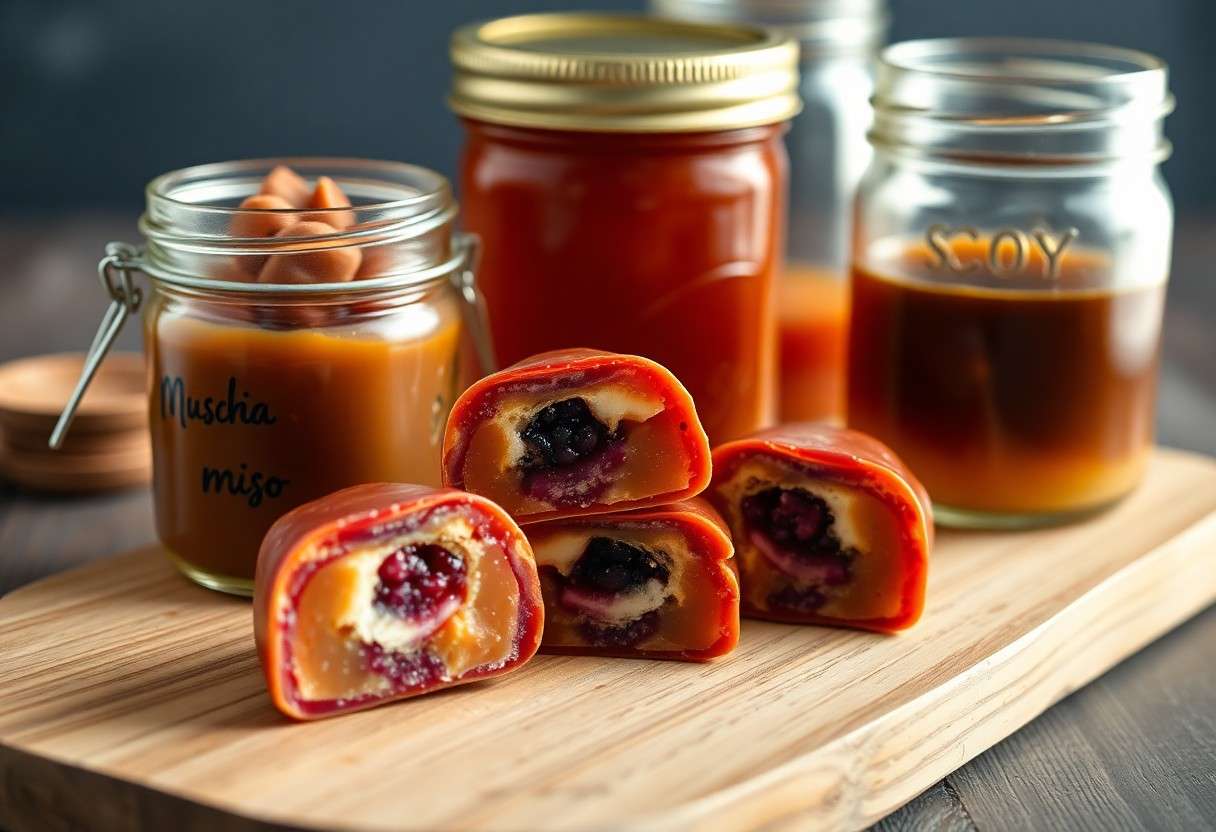
Fermentation brings fermented tang and acid that makes candy sing; you get playful sourness plus umami and complexity. Treat any wild microbes as a safety concern, but used correctly you’ll taste daringly bright, layered sweets.
The Funk Factor: Why “Controlled Rot” is a Culinary Flex
Funk teaches you to crave those odd notes: fermented aromatics layer savory, fruity, and floral esters against sugar so candy tastes deliberately complex rather than cloying.
Safety forces you to treat fermentation like mild chemistry: correct salt, temperature, and time stop pathogens, while giving you a predictable, shelf-stable flavor advantage.
Microbes: The Tiny Chefs You Don’t Have to Pay
Microbes sneak into your recipes and rewrite flavor profiles, turning simple fruit or grain into a palette of unexpected notes you wouldn’t buy at a spice shop; you get artisanal depth for free. You might also enjoy our guide on Precision Fermentation Creates Novel Ingredients for Next-Generation Candy Formulations.
Enzymes released by those microbes cleave sugars and proteins into new molecules that bring umami and complex sweetness, so your candies feel sophisticated without extra ingredients.
Complexity 101: Moving Beyond the One-Note Sugar Rush
Sugar alone flattens nuance; you add fermented acids, bitters, and savory highlights to create tension and release so each bite earns attention. You might also enjoy our guide on Truffle Innovation Incorporates Global Spices and Exotic Ingredients Successfully.
Contrast trains you to pair bright lactics with dark caramel or spice so the sugar becomes a backbone rather than the whole story.
Examples like miso caramel, pickled fruit gels, or sourdough toffee show how you can layer fermentation flavors into confections while adjusting intensity by shorter ferments.
Acid Trips: The Science of the Tang
Tang in candy wakes your palate by sharpening sweetness and activating saliva, so flavors read brighter and linger longer; fermented acids bring layered notes ordinary sourants can’t fake. You’ll notice depth where plain citric acid only screams, and a balanced acid will make fruit tones sing while letting backgrounds peek through.
Acids interact with sugar, fat and gelatin to sculpt mouthfeel, so you perceive texture changes as much as sourness; fermentation adds esters and amino traces that create complexity. You should be cautious: concentrated acids can sting or etch enamel, so dial them in like a seasoning, not a flood.
Lactic Acid’s Glow-Up from Yogurt to Gummies
Lactic sourness gives you a softer, creamier tang that feels almost dairy-like, turning gummy chew into a plush experience and toning down sharp edges. You’ll rely on lactic to smooth edges and round sweetness, making candy taste more sophisticated without screaming “sour.”
Acetic Acid: Vinegar’s Unexpected Sweet Redemption
Vinegar’s acetic bite slices through cloying sugar and adds a savory twang that lifts fruit notes; barrel-aged vinegars can spike in fruity or woody esters you’ll notice immediately. You must respect acetic’s power because high doses are harsh and erosive, so treat it like a potent spice.
Try adding acetic in tiny increments during syruping and taste as you go; it will transform profiles with just drops when balanced by sugar, fat or pectin, and you’ll find it brightens flavors without flattening texture if used sparingly.
Umami in My Gummy? The Savory Secret
Umami slips into your gummy when fermented ingredients add savory depth, giving candy a complex, mouthwatering finish that keeps you reaching for another bite. You should watch proportions, since overfermentation can produce off‑flavors that easily overpower the sweet.
Breaking the Monotony of the Standard Sugar High
Sugar-only treats tire your palate, so you add fermented notes to introduce savory and acidic layers that create longer, more interesting flavor arcs. You must balance acidity because excess tang can clash with delicate fruit tones.
Why Your Tongue Craves a Hint of Salt with its Sweet
Your tongue rewards contrast, so a whisper of salt from fermented cultures amplifies sweetness and unlocks deeper fruit and floral notes, making gummies taste grown-up and addictive.
Taste buds register umami and salt separately, so you can use tiny amounts of miso or fermented syrup to trigger savory cues without making candy salty; small doses pack a big sensory punch.
Texture Talk: Bubbles, Chews, and Microbial Magic
You notice how fermented ingredients sneak texture into candy by creating tiny gas pockets and restructuring starches, giving you unexpected pop and chew without extra processing; that microbial mischief delivers layered mouthfeel that feels both playful and precise.
Microbes rewrite candy structure with enzymes that trim and tangle polysaccharides, so you get enzyme-driven softening alongside firmer edges, though you must watch for off-flavors or contamination if fermentation runs wild.
Carbonation Without the Soda Can
Think of fermentation as a discreet soda substitute: naturally produced CO2 pockets trapped in a gel give you a pleasant, delicate fizz that lifts flavors and surprises the tongue without fizzing out like a drink.
The Structural Integrity of Fermented Fibers
Fermented fibers form new bonds that let you craft chews with spring and resistance, where a reconfigured gel network holds inclusions and delivers a satisfying, longer chew without turning gummy.
Texture shifts occur when microbes trim long chains and encourage cross-links that increase water-binding and shelf resilience, but you still face a contamination risk if hygiene slips, so guard your processes while enjoying the playful results.
Exotic Elixirs: From Kombucha Chews to Miso Melts
Kombucha chews and miso melts slip into candy with startling clarity: you taste tang, funk, and savory threads that turn sugar into a story. Bright acidity lifts flavors while umami-rich depth keeps you intrigued. If you experiment at home, note that wild ferments can pose microbial risks, so you favor controlled cultures when sweetness meets microbes.
Hipster Candy: It’s Not Just for Brooklyn Anymore
You find kimchi gummies, kefir caramels and koji brittle sneaking onto menus as chefs play with savory-sweet combos. Unexpected savory notes make you rethink nostalgia and reach for a second piece. Beware that ferment-forward acidity can overwhelm delicate chocolate, so you choose pairings that let funk flirt rather than dominate.
Salted Caramel’s Cool, Fermented Older Cousin
Fermentation tames sugar by adding savory anchors-miso flakes, koji syrups, aged vinegars-that give caramel a grown-up edge. Umami-rich complexity replaces cloying sweetness, and you savor a layered finish. Watch out for overfermentation creating bitter off-notes, which can undo a clever counterpoint to nuts and cream.
Try pairing koji-aged caramels with dark chocolate or roasted hazelnuts so you balance salt, fat, and tang; balance sugar and acid to keep the ferment singing. Keep in mind that excessive salt masks subtle fermentation nuances, so you aim for restraint when composing your next boutique bite.
The Shelf Life Paradox: Freshness Through Decay
You notice that controlled decay from fermentation locks in bold flavors and gives candy a curious freshness, pairing complex aromas with an unexpectedly extended shelf appeal.
Microbes produce acids, enzymes and tiny alcohols that act as natural preservatives, which give you longer shelf life while posing food-safety risks if pH and hygiene slip.
Preservatives You Can Actually Pronounce
Simple, pronounceable preservatives like lactic and acetic acid let you taste fermentation’s contribution while keeping candy safe, offering clean preservation without mystery additives.
Nature’s Tiny Tupperware
Biofilms and cell walls from friendly microbes act like tiny jars that trap moisture and flavor, so you get a richer mouthfeel and gentler flavor release.
These micro-structures can also harbor unwanted organisms if you skip sanitation, so you should monitor acidity and storage to prevent dangerous contamination.
Testing pH, water activity and sensory changes gives you tangible control over those tiny Tupperware effects, letting you keep the positives while avoiding spoilage.
Final Words
As a reminder, you taste more than sweetness when fermented ingredients join candy: lively acidity, savory umami, and quirky esters that wake your nose. Tiny microbes break down starches and proteins into bright acids and aromatic compounds, giving you layered contrast and surprising depth. Your next bite will feel more adventurous and less predictable. You might also enjoy our guide on Ingredient Upcycling Creates Value from Food Waste in Innovative Candy Products.


