Best Ethical Chocolate Brands Worldwide Today
Ethical choices let you savor cocoa that supports fair pay, avoids child labor and champions sustainable farming, so you get indulgence without guilt while tast

This article contains Amazon affiliate links. As an Amazon Associate, CandiesAndSweets earns from qualifying purchases.
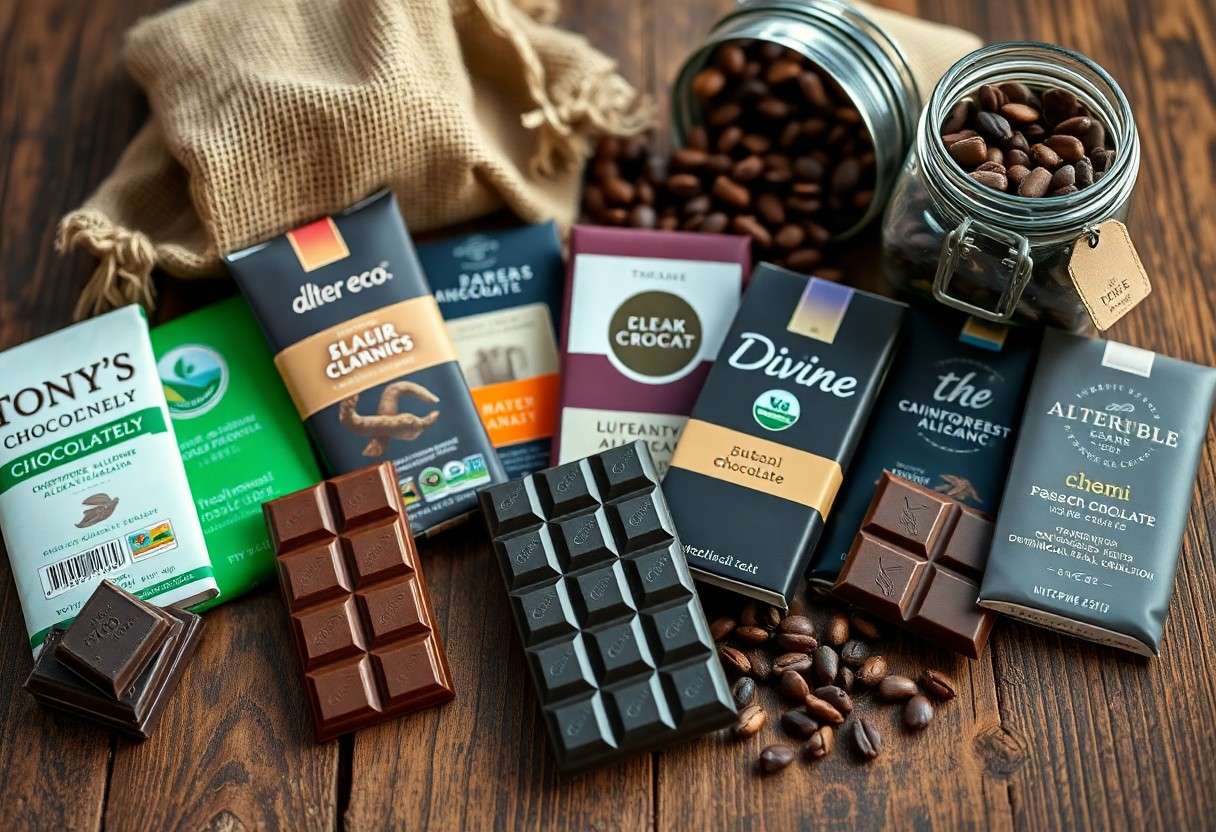
Ethical choices let you savor cocoa that supports fair pay, avoids child labor and champions sustainable farming, so you get indulgence without guilt while tasting brands that actually care.
Decoding the Wrapper: The Alphabet Soup of Ethics
Labels on your bar can promise justice or mask sins, so you should learn to spot greenwashing and the dreaded child labor red flags before you bite.
You can scan the fine print for certification logos and supplier transparency to separate genuine commitments from clever marketing gloss.
Fair Trade vs. Direct Trade Tussles
Choosing between Fair Trade and Direct Trade asks you to weigh price premiums and community programs against bold claims of direct farmer contracts.
Expect Fair Trade’s established audits to offer broader safeguards while Direct Trade asks you to verify brand-level traceability claims and relationships yourself.
Why B Corp is the New Black
Certification as a B Corp gives you a measurable, public score and legal accountability, so you can favor brands with third-party verification and mission clauses.
B Corps force brands to report impacts, which helps you spot companies that combine profit with clear social and environmental policies via their B Impact Report.
Also check that the B Impact score covers workers, community, and environment and make sure you see evidence of ongoing audits rather than one-off claims.
African Artisans: Reclaiming the Source
You spot chocolatiers stitching local rituals into bars, reclaiming value by roasting and crafting where beans grow. Small cooperatives press for fair pay and visible supply chains, so you taste provenance and purpose in the same bite.
Ghana’s Tree-to-Tummy Heroes
Ghanaian teams are turning farms into micro-factories so you can trace a bar to a village and cheer on farm-level profits. Brands here confront child labor risks with audits and schooling, while delivering rich, caramel-lean chocolates that make you grin.
Madagascar’s Tart and Trendy Treats
Madagascar producers push bright acidity and floral notes, giving you tart, winey bars that chefs and influencers adore. Single-origin batches showcase heirloom beans and playful fermentations, so you get both novelty and terroir in each square.
Venture further and you’ll find artisans tweaking fermentation and blends to amplify citrus and berry sparks; labels boast transparent sourcing, inviting you to reward ethical experimentation one bite at a time.
Latin American Legends: Protecting the Motherland
Local cooperatives make you cheer for chocolate that actually gives back; you spot heirloom cacao farms and community-led agroforestry that preserve habitat while paying fair prices and producing beans with serious flavor.
Communities balance market buzz with threats like deforestation and illegal mining, so you favor brands that fund conservation, traceability, and direct-pay schemes to keep forests and livelihoods intact.
Ecuador’s Heirloom Cacao Guardians
You find Ecuador’s Nacional trees whispering history: smallholders guard genetic diversity against hybridization and land conversion, selling prized beans to ethical labels that return premiums and trace every step from farm to bar.
Peru’s Jungle-Friendly Gems
Peruvian producers coax cacao from the jungle with low-impact methods, so you support farms that blend agroforestry and tradition, protecting biodiversity while delivering complex, canopy-aged flavors.
Rainforest cooperatives often battle illegal logging and land grabs, and you should favor brands funding patrols and farmer training; look for fair premiums and direct-trade commitments that keep forests standing and producers paid.
The European Resistance: Luxury with a Heart
Europeans are quietly forcing high-end labels to pair decadence with traceable, certified cocoa and premiums that actually reach farmers, so you can indulge without fueling exploitation.
Luxury brands you once assumed were untouchable now publish sourcing maps and audit summaries, making it easy for you to pick bars that pair flavor with real accountability.
Swiss Chocolate Without the Secret Accounts
Swiss makers are dropping the cloak-and-dagger routine, revealing clean books and direct trader links so you can buy pralines without wondering about hidden money trails.
Banking-style rigor meets tasting rooms as chocolatiers publish origin contracts and farmer premiums you can trace on company sites, letting you verify ethics before the first bite.
British Bars Fighting the Big Bad Brands
British independents are crowd-funding lawsuits, running hard-hitting campaigns and launching cooperatives that give you bars supporting unions and living wages.
Small teams use punchy labels and transparency reports so you know whether a bar backs agroforestry or just offers lip service to ethics.
You can favor makers who publish supplier lists and tax practices, rewarding those with full supply-chain disclosure and punishing the giants that hide behind PR gloss.
North American Newcomers: Hipsters for Good
Urban ateliers are turning ethics into a style you can taste; you follow each wrapper’s story, favoring direct-trade transparency and clear farming premiums, while staying wary of greenwashing and lingering child-labor risks in the supply chain.
Craft creators push tiny batches and neighborhood sourcing so you get narrative-rich bars; you chase single-origin clarity and community payouts, but brace for higher prices and scarce seasonal releases.
Brooklyn’s Small-Batch Revolution
Brooklynites turned bean-to-bar into a lifestyle you want to collect; labels print farm maps and tasting notes so you pursue direct relationships, while limited runs can feel like a FOMO-driven premium purchase.
West Coast Eco-Warriors in Foil
Californians prize packaging that disappears-you’ll spot compostable wrappers and solar-powered kitchens, which make brands genuinely low-waste, though some claims mask real emissions so you watch for unverified offsets.
Packaging choices shape your purchase: lightweight foil alternatives cut trash, and direct sourcing ensures fair premiums, yet small producers sometimes struggle with scale and face supply volatility.
Greenwashing can sneak in, so you check for third-party audits and certification logos to confirm traceability and avoid brands that only market ethics without proof.
The Dark Side: High Cacao, Low Guilt
High-cacao bars let you chase intensity without the sugar crash, but you should watch for greenwashing and hidden problems like child labor, so favor labels that promise direct trade and transparent premiums.
Watch labels closely because some “low guilt” bars skimp on cocoa butter or add cheap fats, and you’ll spot the difference in texture by choosing brands that state origin and farmer pay.
Single-Origin Obsessions
Origin-focused bars let you trace flavor to a village or cooperative, and you get a richer story when brands publish single-origin details and traceability so your purchase supports specific growers.
Expect bright acidity or smoky depth depending on the bean, and you should sample slowly while rewarding makers who disclose harvest and grower premiums rather than vague marketing.
Vegan Velvets That Actually Taste Good
Silky vegan bars prove you can enjoy decadence without dairy when brands use oat or nut milks and avoid hydrogenated fats, delivering texture that convinces you it’s not sacrifice but upgrade.
Creamy plant-based ganaches reach real mouthfeel with full-fat coconut or blended nuts instead of fillers, and you’ll be stunned how often vegan equals indulgent.
Pair vegan chocolates with coffee or citrus to amplify notes, check labels for soy if you have allergies, be wary of over-sugared bars, and favor makers that list origin and fair pay so your cravings support people not profiteers.
Final Words
From above you can spot the good bars: if you want chocolate that tastes like joy and ethics, choose fair-trade, direct-trade, and organic labels; small bean-to-bar makers often pay farmers and protect forests. You get great flavor and a clear conscience, and your snack time becomes a tiny act of global kindness-plus caramel.


