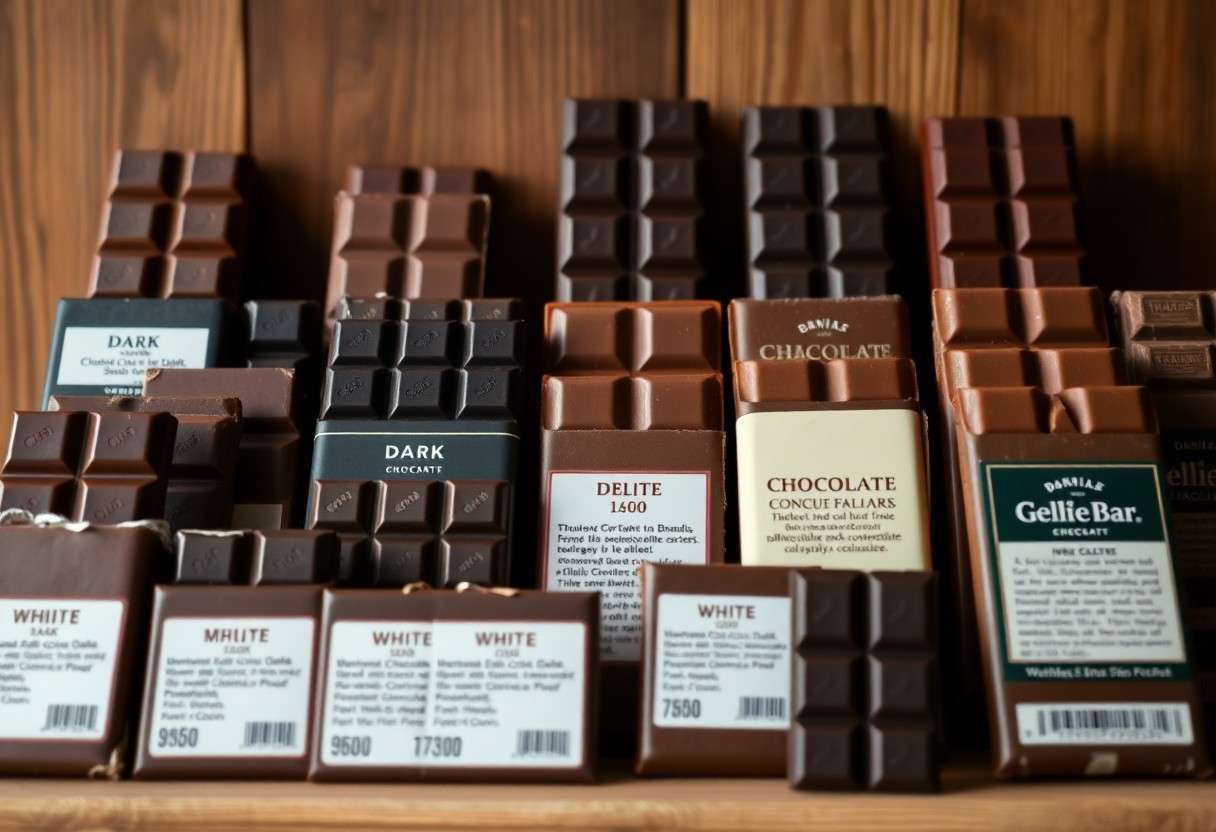
Best Dairy Free Chocolate Bars for Ethical Snacking
It's smart to choose bars that match your values: you can pick 100% dairy-free, fair-trade options with high cocoa for flavor, but watch labels for milk cross-c

This article contains Amazon affiliate links. As an Amazon Associate, CandiesAndSweets earns from qualifying purchases.
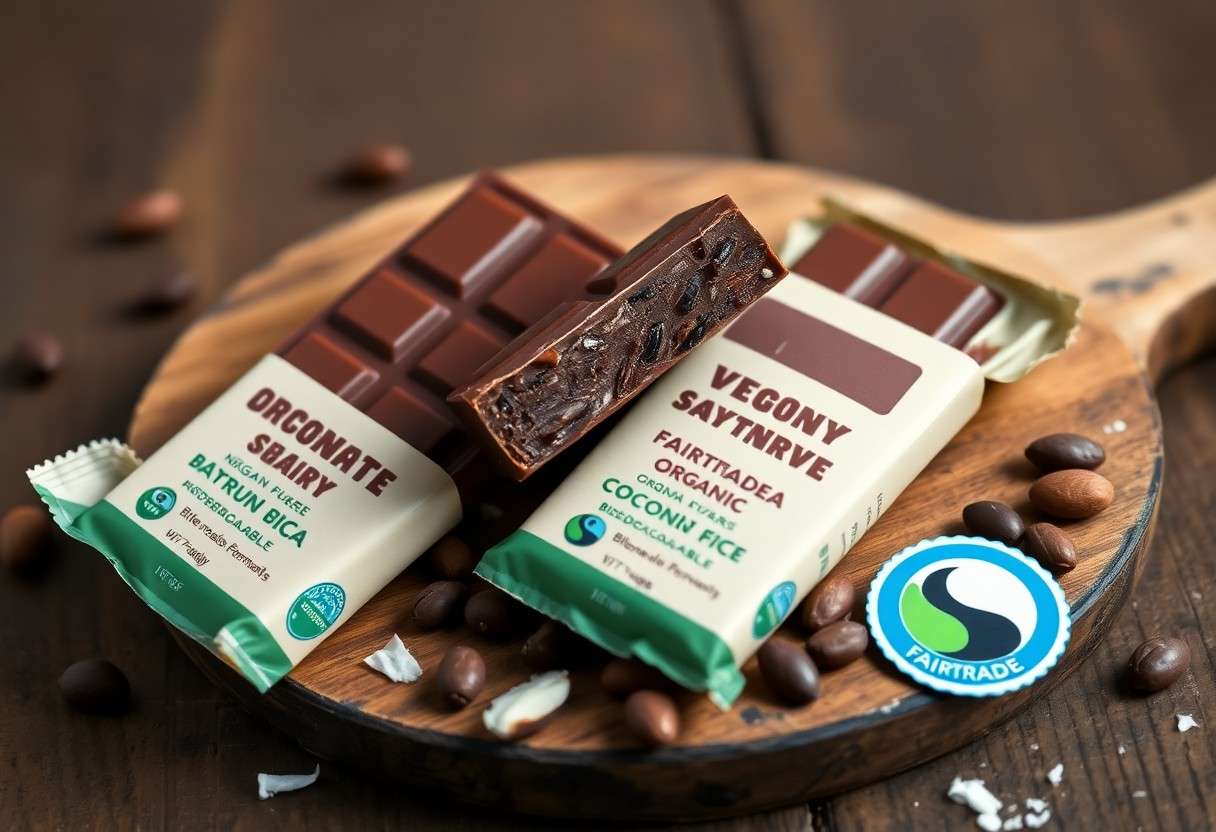
It’s smart to choose bars that match your values: you can pick 100% dairy-free, fair-trade options with high cocoa for flavor, but watch labels for milk cross-contact warnings to avoid allergic risk while enjoying ethical snacking.
Defining Ethical Standards in Dairy-Free Chocolate
Standards for dairy-free chocolate should measure social, environmental, and ingredient integrity so you can choose snacks that align with your ethics and avoid brands that hide harmful practices.
You should look for transparent labeling on allergens, processing, and corporate policies; hidden dairy contamination and child labor are the most dangerous risks to watch for.
Fair Trade and Direct Trade Certifications
Fair Trade labels indicate minimum price floors and community premiums, so you can prefer bars carrying Fair Trade certification when seeking ethical impact.
Direct Trade claims promise closer farmer relationships, but you must inspect published prices and third-party reports to confirm that higher premiums actually reach growers.
Transparency in Cacao Sourcing
Traceability lets you verify origin, farming practices, and processing, making full traceability a strong positive signal when selecting dairy-free chocolate.
Supply-chain transparency that publishes farm names, prices paid, and audits helps you assess whether a brand truly avoids exploitative practices like child labor and deforestation.
Top-Rated Dark Chocolate Bars for Purists
These bars focus on pure cacao expression so you can judge texture, snap, and finish without dairy masking the flavor; always check for vegan or dairy-free labels and any may contain milk warnings to avoid cross-contamination risks.
When you prioritize ethics, choose makers with Fair Trade or direct trade transparency so your purchase supports better farmer pay and sustainable farming practices.
Single-Origin Cacao Profiles
Origin-specific bars let you taste distinct regional notes-berry, citrus, floral, or earthy-and help you appreciate how terroir shapes flavor so you can refine your preferences. You might also enjoy our guide on Complete Guide to Dairy Free Chocolate Truffle Recipes.
Tasting single-origin alongside blends reveals how fermentation and roast alter acidity and mouthfeel; look for bean-to-bar producers who disclose origin and processing for true provenance.
Benefits of High-Percentage Cocoa Solids
High-percentage cocoa solids give you more intense cacao flavor, less sugar, and higher levels of antioxidants, but you should expect increased bitterness and elevated caffeine compared with sweeter bars.
Health research links regular, moderate dark chocolate intake to modest improvements in blood pressure and cholesterol markers, so you can enjoy higher-cocoa bars as a nutrient-dense treat while monitoring calories and sugar. You might also enjoy our guide on Ultimate Dairy-Free Chocolate Chip Guide.
Innovative Creamy Alternatives to Milk Chocolate
You will find plant-based bars that recreate the familiar milk-chocolate indulgence using alternative milks and clever fat blends, giving a creamy mouthfeel without dairy. Check ingredient lists so you can avoid hidden dairy derivatives and monitor added sugars that undermine healthier choices.
Vegan manufacturers now focus on texture and ethical sourcing, so you can enjoy bars made from sustainably grown oats, coconuts, or nuts while supporting brands that prioritize transparent supply chains. Pay attention to allergen notices if you have sensitivities.
Oat Milk and Coconut Milk Varieties
Oat-based chocolates offer a naturally smooth, milky texture that you can enjoy with fewer saturated fats, and many brands emphasize low environmental impact. You should verify if the product is certified dairy-free to avoid cross-contact.
Coconut-milk bars deliver a richer, tropical profile that you can treat as an indulgent substitute for traditional milk chocolate, but be aware that they often contain higher levels of saturated fat. If you avoid coconut, check for alternative plant milks.
Nut-Butter Infused Chocolate Bars
Nut-butter bars combine chocolate with almond, peanut, or hazelnut spreads so you can get a satisfying, protein-forward snack that feels indulgent; look for brands that use minimally processed nuts. Keep in mind that these bars are common sources of allergens.
Texture plays a major role in enjoyment, and you will notice how nut butters create layered creaminess and a richer mouthfeel compared with some milk alternatives; inspect labels for added oils or excess sugar that reduce nutritional value.
Allergy considerations mean you should always read labels and choose certified facilities if you have severe nut allergies; seed-butter alternatives like sunflower or tahini can offer similar creaminess when you need a nut-free option.
Conclusion
Drawing together you can choose dairy-free chocolate bars that combine rich flavor with ethical sourcing by prioritizing clear labeling and responsible certifications. Look for Fair Trade or Rainforest Alliance seals, transparent ingredient lists, and higher cocoa percentages to suit your palate. You can favor small-batch makers who publish bean origin and production practices. You might also enjoy our guide on Complete Guide to Dairy-Free Confectionery Alternatives.